

(source : ANI) ( Photo Credit : ani)
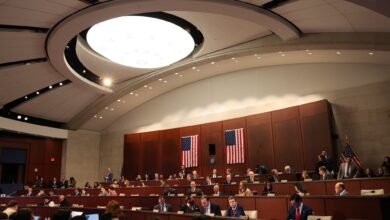
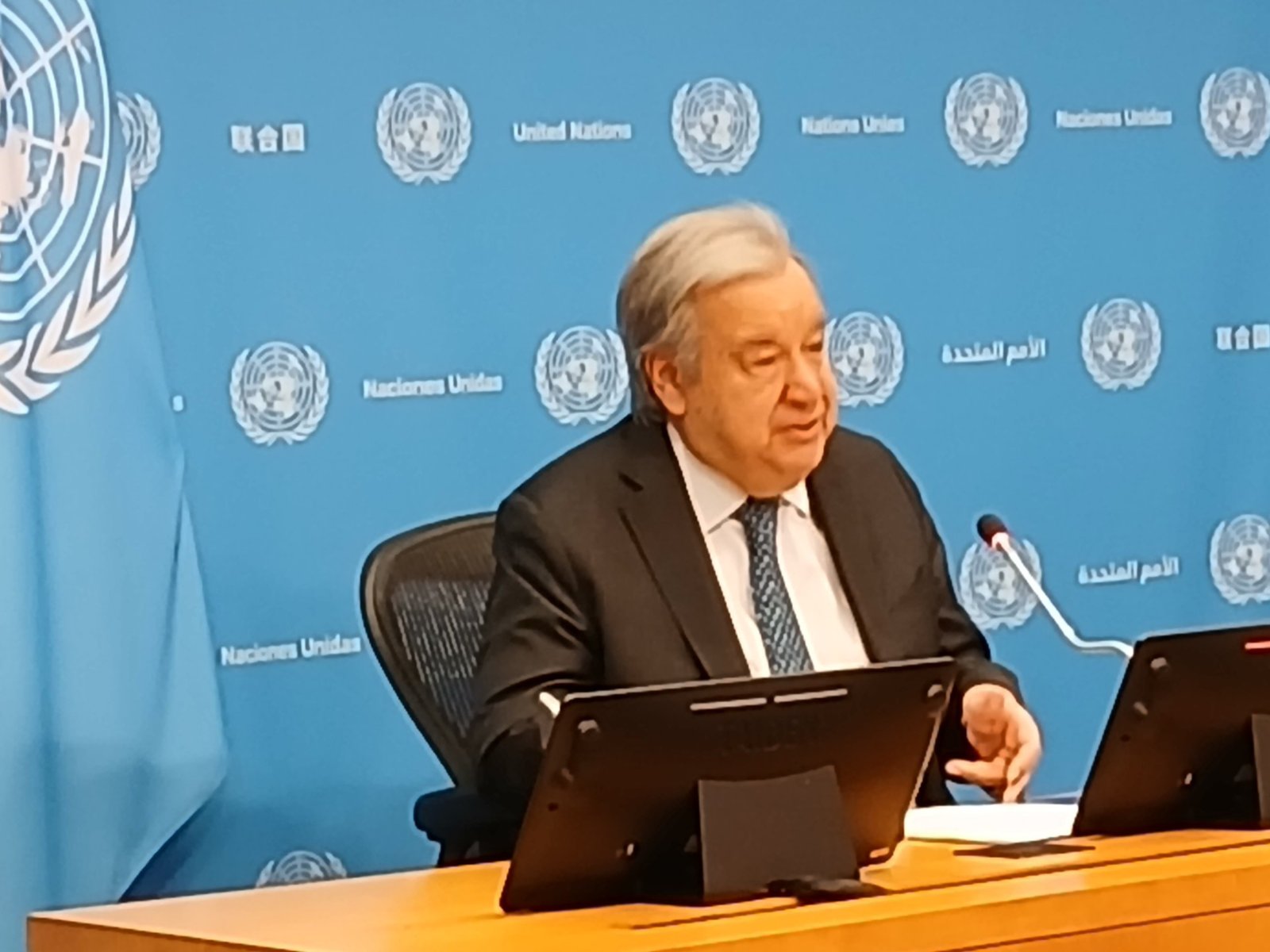
At the United Nations in New York, officials are pushing hard for a two-state solution to end the long-running Israel-Palestine conflict. Stephane Dujarric, spokesperson for UN Secretary-General Antonio Guterres, told reporters that this approach is the only real way forward. “The two-state solution is the only solution that can be found to the challenges that we currently see between Israel and Palestine,” he said ahead of a key session in the 80th UN General Assembly.
Guterres echoed that message in his speech on Monday. He stressed that Palestinian statehood is a fundamental right, not something handed out as a prize. “Denying statehood would be a gift to extremists everywhere,” he warned. Without two states living side by side, he added, “there will be no peace in the Middle East.”
This comes as more countries step up to recognize Palestine, ramping up global pressure on Israel during its military operations in Gaza. French President Emmanuel Macron made headlines by announcing France’s formal recognition of the State of Palestine at a summit in New York. “The time has come,” Macron declared, tying the move to France’s long history of supporting peace in the region. He called it a win against Hamas and the best path for Israel to live securely. “We must do everything within our power to preserve the very possibility of a two-state solution,” he told the UN crowd.
France isn’t alone. Just a day earlier, Canada, the United Kingdom, and Australia all announced their recognition of Palestine. Canada led the way, followed quickly by Australia and the UK. These decisions follow promises from the countries to act if Israel didn’t agree to a ceasefire in the ongoing Gaza conflict. Now, over 140 nations have recognized Palestine, and moves by G7 members like the UK and France carry extra weight as UN Security Council players too.
The momentum builds on a UN General Assembly resolution passed on September 12. That vote, backed by 142 countries including India, endorsed the two-state solution through the New York Declaration on the Peaceful Settlement of the Question of Palestine. It came right after Israeli Prime Minister Benjamin Netanyahu ruled out a Palestinian state.


Palestinian officials cheered the recent recognitions. Their Foreign Ministry called it “a protection of the two-state solution aimed at achieving peace,” welcoming the support from Canada, the UK, and Australia.
But Israel fired back strongly. Netanyahu promised a response after his U.S. trip next week. In a video statement, he slammed the moves as “handing a huge reward to terror” after the October 7 attacks. “It will not happen. A Palestinian state will not be established west of the Jordan,” he said, vowing to keep expanding Jewish settlements in the West Bank. Under his watch, he noted, those settlements have already doubled—and they’ll keep growing.
Israel’s Foreign Ministry rejected the recognitions outright. They argued that Palestinian statehood should be a final issue in peace talks, not rushed ahead. The ministry accused the Palestinian Authority of failing to curb incitement and terrorism, calling it “part of the problem, not part of the solution.” Instead of political gestures, Israel urged focus on pressuring Hamas to release hostages and disarm right away. “Israel will not accept any detached and imaginary text that attempts to force it to accept indefensible borders,” the ministry added.
As the UN General Assembly session unfolds, these developments highlight the deep divides in the Israel-Palestine conflict and the growing international call for a two-state resolution.
Stay informed on all the latest news, real-time breaking news updates, and follow all the important headlines in world News on Latest NewsX. Follow us on social media Facebook, Twitter(X), Gettr and subscribe our Youtube Channel.