

India Takes Big Step Towards Greener Flying with Sustainable Aviation Fuel Feasibility Study
In a major move for India’s aviation future, the Ministry of Civil Aviation has launched a new study on sustainable aviation fuel (SAF). This important report was released on Wednesday in partnership with the International Civil Aviation Organisation (ICAO) and with support from the European Union.
What is the SAF Feasibility Study?
The study looks into how India can produce and use green fuel for airplanes. It checks if the country has enough raw materials like agricultural waste, the best ways to make SAF, and the infrastructure needed to build a thriving domestic SAF market. By combining global best practices with India’s unique social and environmental needs, the report offers a clear plan to help India use sustainable fuel in aviation.
India’s Goals for Green Aviation
Union Civil Aviation Minister Ram Mohan Naidu highlighted that SAF is essential for making India’s aviation industry more eco-friendly. India aims to produce enough SAF to blend 1% into fuel by 2027, 2% by 2028, and 5% by 2030, in line with international standards like CORSIA. The minister emphasized that SAF can cut carbon emissions by up to 80%, making flying much greener.
India’s Green Potential
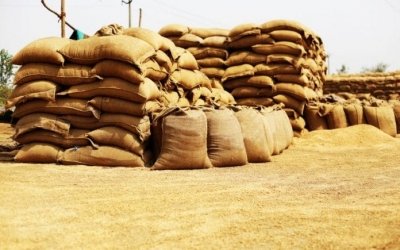
With over 750 million metric tonnes of biomass and nearly 230 million tonnes of surplus agricultural residue available, India has the resources to meet its own SAF needs. Not only can the country reduce its emissions and cut reliance on imported oil, but it can also become a global leader — exporting green fuel to other nations.


Building a Sustainable Aviation Roadmap
The study is currently being discussed at a two-day workshop attended by key industry players like ICAO, EASA, India’s Directorate General of Civil Aviation (DGCA), and government officials. This shows a united government effort to promote SAF in India.
Achievements and Future Plans
India has already taken milestones towards green aviation — COTECNA Inspection India is now the country’s first SAF certification body, and Indian Oil Corporation’s Panipat Refinery has become India’s first SAF producer. These steps will help reduce crude oil imports, cut emissions by 20-25 million tonnes annually, and create new income streams for farmers by using agricultural waste as raw material.
Prime Minister Narendra Modi’s leadership is guiding India to become the world’s largest domestic aviation market — with a strong focus on green, sustainable growth. Minister Naidu expressed confidence that India will lead in clean aviation technology by combining innovation, policy support, and national resources.
Supporting this vision, Civil Aviation Secretary Samir Kumar Sinha stressed India’s commitment to global climate goals. He pointed out that India operates a modern, fuel-efficient aircraft fleet, and 88 airports already run on 100% green energy, setting impressive benchmarks for the world.
The SAF Feasibility Report is a vital step towards a cleaner, greener future for Indian aviation. With abundant resources like energy crops, agricultural waste, and municipal refuse, India has huge potential to become a global leader in sustainable aviation fuels. This effort aligns with India’s long-term goals of reducing carbon emissions and boosting eco-friendly growth in the aviation sector.