

India’s Approach to Sustainable Development: Key Highlights
India is making strong strides towards balancing economic growth with environmental protection. Union Minister for Environment, Forest and Climate Change Bhupender Yadav emphasized that India’s development model is deeply focused on eco-friendly progress.
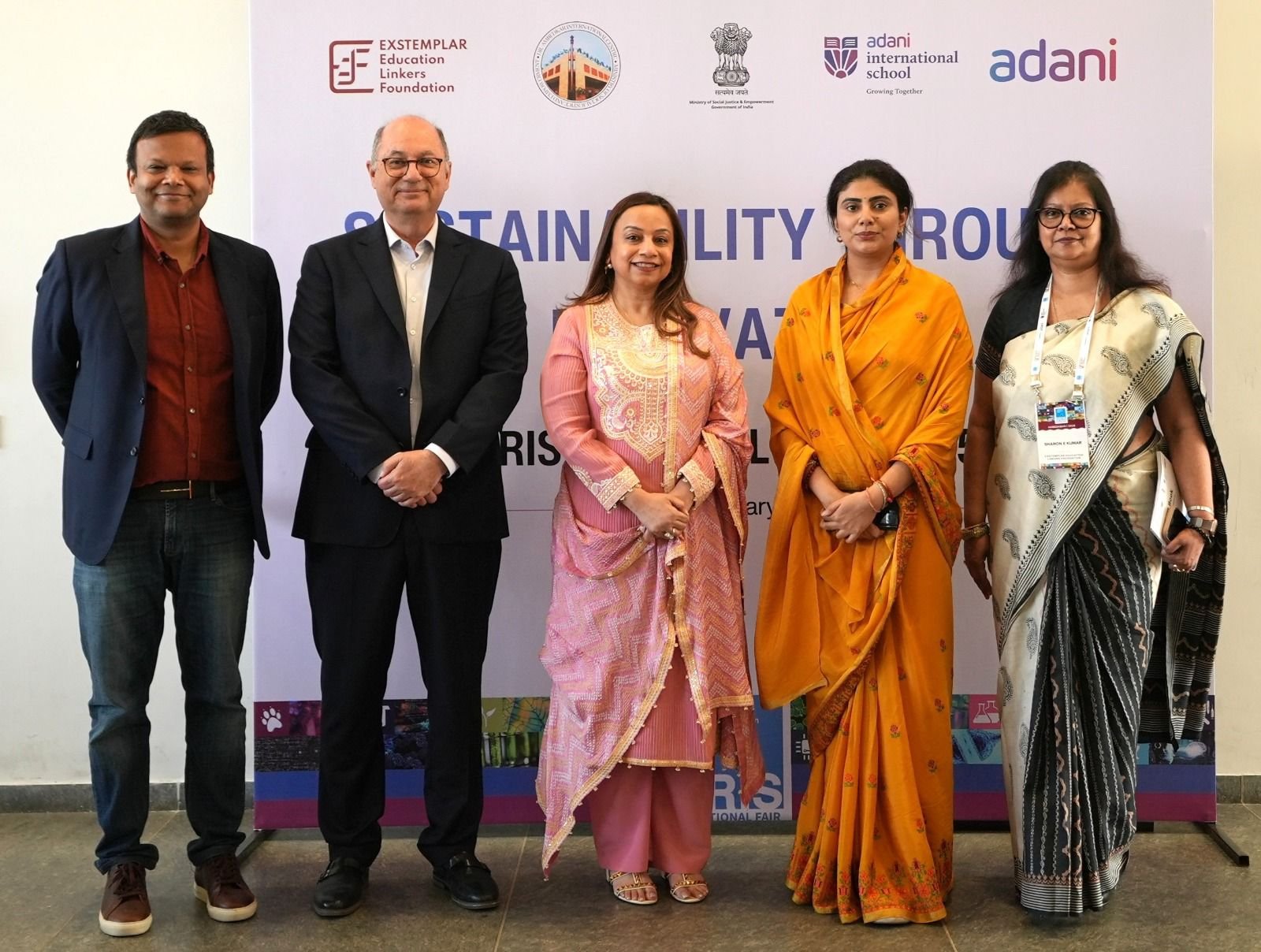
Speaking at the 20th Global Sustainability Summit, Yadav shared his view that sustainability isn’t just a goal—it’s a way of life. He said, “Sustainability is an ongoing commitment to be resilient, regenerative, and responsible.” This shows India’s dedication to creating a greener and more sustainable future.
Under Prime Minister Narendra Modi’s leadership, the Environment Ministry has introduced important new rules to support eco-friendly development. These efforts aim to build a sustainable future for India and the world.
Yadav also highlighted some global challenges that affect sustainability globally. Issues like trade tensions, policy uncertainties, geopolitical conflicts, and limited investments create a fragile environment. He urged countries worldwide to prioritize sustainability in their growth strategies. This can be achieved through solutions like circular economy models, green manufacturing, protecting nature, and encouraging responsible habits.


Recent Environment Policies and Initiatives
On August 29, India introduced the Environment Audit Rules, 2025. These rules set up a formal system for environmental audits across the country. They create a two-level system of auditors and establish a dedicated agency to oversee the process transparently. Minister Yadav clarified that these rules will support existing government monitoring efforts, not replace them.
Another important update is the revised Green Credit Programme, also announced on August 29. Launched in October 2023, this programme encourages voluntary environmental actions. The recent updates make it easier for private companies to get involved, set clear restoration goals, and use earned green credits to fund climate-friendly projects. This makes the Green Credit Programme a powerful tool for eco-restoration and climate action.
In addition, the Ministry amended rules related to forest conservation on August 31. These changes support India’s Critical Mineral Mission 2025, which aims to promote self-reliance in critical mineral sectors. The government identified 24 minerals as critical and strategic, and 29 others as important for strengthening India’s economy and security. The new rules simplify the approval process for mining these minerals in forest areas, making it easier for both public and private companies to operate.
India’s commitment to sustainable development is clear. Through progressive policies and innovative programmes, the country is working towards a greener, more resilient future for its citizens and the planet.