

(source : ANI) ( Photo Credit : ani)
Asia Cup Handshake Drama: What Really Happened Between India, Pakistan, and Match Referee Andy Pycroft
The Asia Cup 2023 has been full of thrills on the field, but off it, a major controversy erupted during the high-stakes India vs Pakistan match on September 14 in Dubai. At the center of it all? A no-handshake situation between the teams, which led to heated arguments between the Pakistan Cricket Board (PCB), the Board of Control for Cricket in India (BCCI), and match referee Andy Pycroft. According to reports from ESPNCricinfo, the whole mess unfolded just minutes before the toss, sparking complaints, threats to quit the tournament, and a last-minute resolution.
Here’s the inside story of this India-Pakistan cricket rivalry twist that grabbed headlines.
The Spark: No Handshake Before the Big Clash
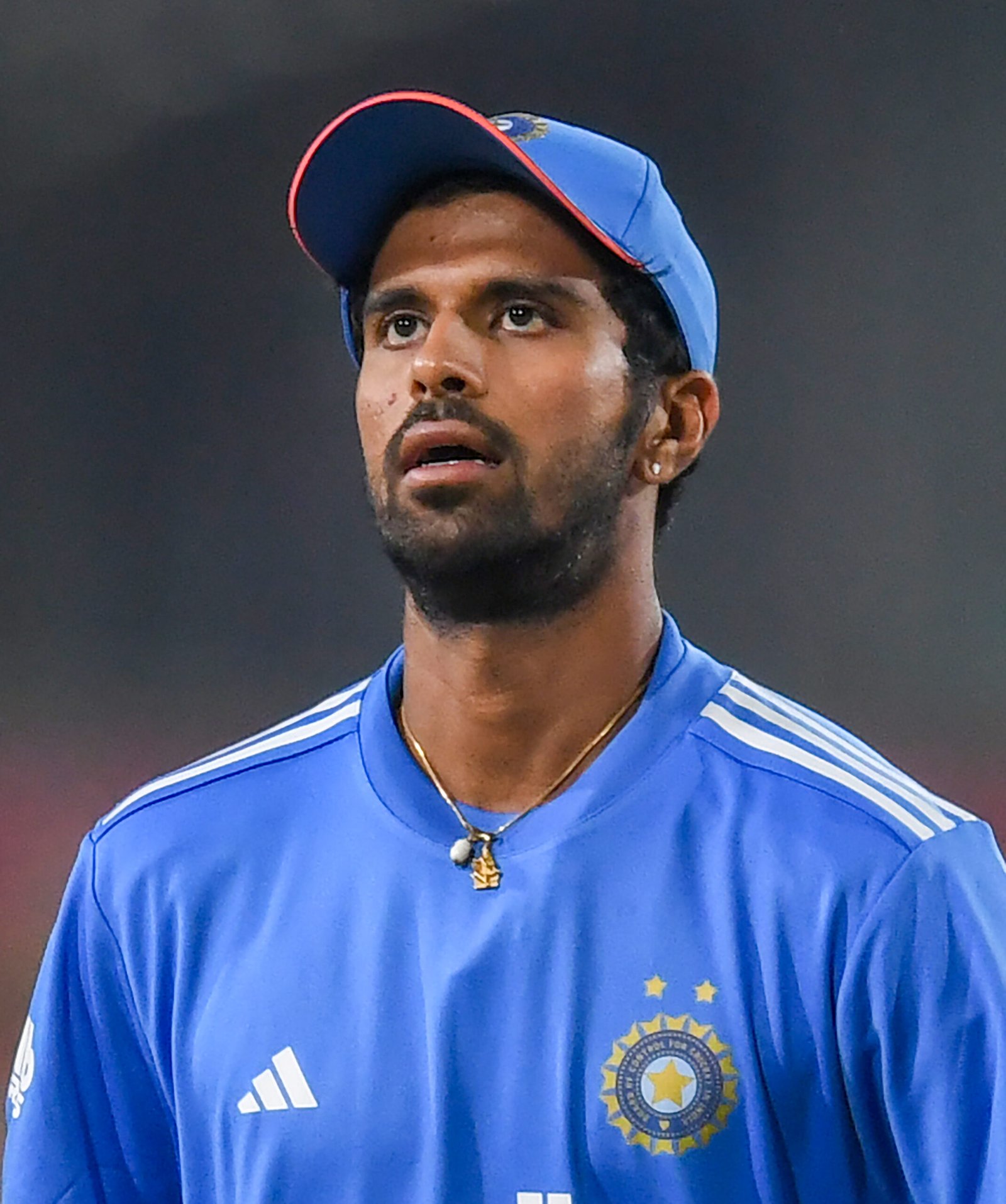
Imagine this: It’s moments before the toss in the India-Pakistan Asia Cup fixture, and tensions are already sky-high between these arch-rivals. Andy Pycroft, the ICC-appointed match referee, gets a sudden heads-up from the Asian Cricket Council (ACC) venue manager. The message? The BCCI, with approval from India’s central government, has decided there will be no handshake between Indian captain Suryakumar Yadav and Pakistan’s skipper Salman Agha.
Pycroft didn’t create the rule—he was just the messenger. As he headed to the field, he quickly informed Agha to avoid any awkward moment where the Pakistan captain might extend his hand and get turned away. Pycroft later explained he had no time to loop in the ICC beforehand, but he acted to keep things smooth and protect the toss’s sanctity.
After India’s win, Suryakumar Yadav and Shivam Dube walked off without shaking hands with the Pakistani players. This irked the PCB big time. They filed a formal complaint against Pycroft with ICC’s General Manager of Cricket, Wasim Khan, accusing him of breaching the ICC Code of Conduct and the spirit of cricket. The PCB demanded his immediate removal from the Asia Cup officiating roster, calling his actions "offensive" and a failure to promote respect between teams.
PCB’s Outrage and ICC’s Response
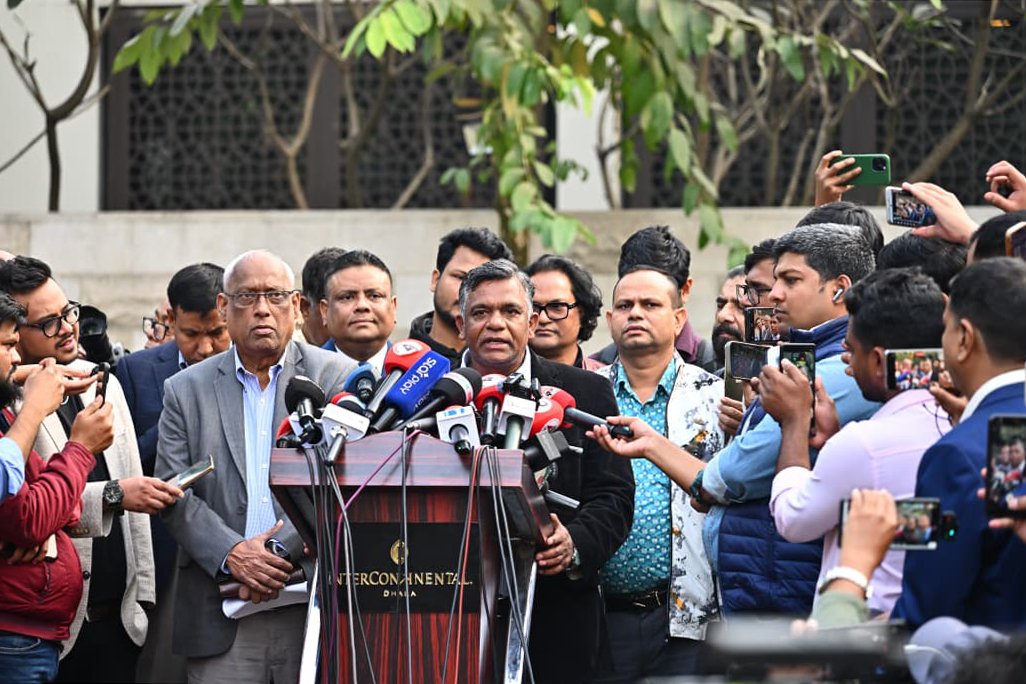
The PCB wasn’t holding back. In their complaint, they argued that Pycroft, as a neutral official, should have refused to pass on such a directive and informed the ICC right away. They even claimed he didn’t uphold the Marylebone Cricket Club (MCC) laws by not fostering a positive atmosphere. The board was so furious that they threatened to pull Pakistan out of the tournament if Pycroft stayed on for their next game against the UAE on September 17.
The ICC investigated quickly, speaking to Pycroft, other officials, and tournament director Andrew Russell. On September 15, they shot back to the PCB: No wrongdoing here. Pycroft was just following short-notice instructions from the ACC to prevent embarrassment. The ICC stressed that match referees don’t police team-specific protocols like handshakes— that’s for organizers like the ACC and BCCI to sort out. They also warned that swapping officials at a team’s demand would set a "dangerous precedent."
But the PCB pushed back hard, calling the ICC’s probe "one-sided." They said the ICC didn’t talk to Salman Agha or Pakistan’s team management and questioned how Pycroft could relay a message that went against cricket’s spirit. In emails, the PCB insisted he should have said no outright. The ICC countered that the PCB had plenty of chances to share evidence but provided none.
Tense Standoff and Last-Minute Fix
Things got really dicey before the Pakistan vs UAE match. The PCB, backed by government advice, considered boycotting the Asia Cup. PCB Chairman and ACC President Mohsin Naqvi, who’s also Pakistan’s interior minister, was in the mix. On Tuesday evening, Pakistan skipped their pre-match press conference. By Wednesday morning, emails flew back and forth, leading to video calls involving ICC, PCB, and Emirates Cricket Board officials.
No one budged—PCB wanted Pycroft out, ICC said he was clear. With the toss just two hours away, Pakistan players were told to stay in their hotel. Time was ticking. Finally, a quick call between Wasim Khan and ICC CEO Sanjog Gupta led to a solution: a direct meeting between Pycroft and Pakistan’s leadership.
Pakistan arrived at Dubai International Stadium 30 minutes before the delayed 7 PM toss. In a closed-door chat with Agha, head coach Mike Hesson, team manager Naved Akram Cheema, and Wasim Khan, Pycroft laid it out. He asked about their grievances, explained he was only relaying the message, and expressed regret over the miscommunication—especially how it left Agha in an awkward spot before such a big game. He stressed that warning Agha prevented bigger issues.
The PCB called it an "apology" in their statement and even shared a short video clip (no audio) of the meeting. But sources say it was more about clearing up the misunderstanding than a full admission of fault. The ICC wasn’t thrilled with the PCB’s spin and mulled a response, but it’s unclear if one came.
The PCB also claimed the ICC agreed to probe any code of conduct violation from the India game. However, with the ICC repeatedly backing Pycroft, experts doubt a full inquiry will happen.
What’s Next for Asia Cup and Cricket Diplomacy?
This handshake row highlights the deep India-Pakistan tensions that often spill into cricket. The BCCI’s no-handshake call, tied to geopolitical nods, shows how politics and sports mix in this rivalry. For now, the match against UAE went ahead after the hour-long delay, and Pycroft stayed on—but the drama has left fans talking.
As the Asia Cup rolls on, all eyes are on whether this blows over or fuels more friction. Cricket lovers, what do you think—should handshakes be mandatory in such matches, or is it each team’s call? The spirit of cricket hangs in the balance.
Stay informed on all the latest news, real-time breaking news updates, and follow all the important headlines in world News on Latest NewsX. Follow us on social media Facebook, Twitter(X), Gettr and subscribe our Youtube Channel.