
New Delhi, Dec 28 (IANS) – A recent column in Pakistan’s Friday Times slammed the country’s government for repeatedly undermining public confidence with haphazard, short‑term policies. The piece highlighted how the mishandling of CNG and solar initiatives has left consumers stranded and investors bleeding billions.
“The policy on sugar and wheat so frequently looks like a joke, where vested interests are favoured at the expense of consumers,” the article noted. It called for a shift toward people‑centred, smarter policymaking that truly weighs social and environmental risks.
CNG
In 1992, Pakistan launched a CNG drive to curb the national oil import bill, which had been draining roughly 25 % of export earnings and had been destabilised by the Persian Gulf crisis. By offering tax waivers on CNG plants, equipment and conversion kits, and keeping the fuel price 40‑60 % lower than petrol, the government spurred a massive shift to natural‑gas‑powered transport. By 2004, the country had become the world’s largest market for CNG vehicles.
Around 2010, officials confronted a new crisis: the nation’s natural‑gas reserves were shrinking rapidly because of the very CNG boom that had been championed a decade earlier. In response, the government withdrew subsidies, lifted taxes and raised prices, redirecting gas toward industrial and residential users. Those who had invested heavily in CNG plants and conversions suddenly saw their fortunes collapse, with losses running into the billions.



Solar
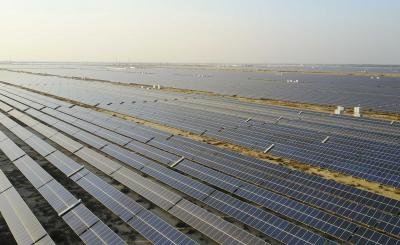
The solar boom started more deliberately, albeit still unevenly. In 2015, faced with severe power shortages and a chronic foreign‑exchange shortfall, the government slashed taxes on solar gear and introduced a buy‑back scheme of about Rs 27 per kilowatt‑hour. In 2022, it cut GST on panels by 17 %.
The result was a rapid, nationwide adoption of rooftop and small‑scale solar, with Pakistan becoming the world’s top importer of panels in 2024 and adding roughly 17 GW of new capacity. By 2025, solar is projected to supply around 25 % of the country’s monthly electricity use.
Yet the policy’s unintended fallout has been sharp. Losses estimated at about Rs 2 trillion per year have accrued on “take‑or‑pay” capacity charges for state‑owned power plants, while distribution companies report billions in losses. In an effort to curb these costs, the government has slashed the buy‑back rate to Rs 10 per kilowatt‑hour, scrapped the one‑for‑one offset rule, and introduced stricter licensing and shorter contract durations—all framed as rationalising an over‑ambitious policy.
sps/dpb
Stay informed on all the latest news, real-time breaking news updates, and follow all the important headlines in world News on Latest NewsX. Follow us on social media Facebook, Twitter(X), Gettr and subscribe our Youtube Channel.