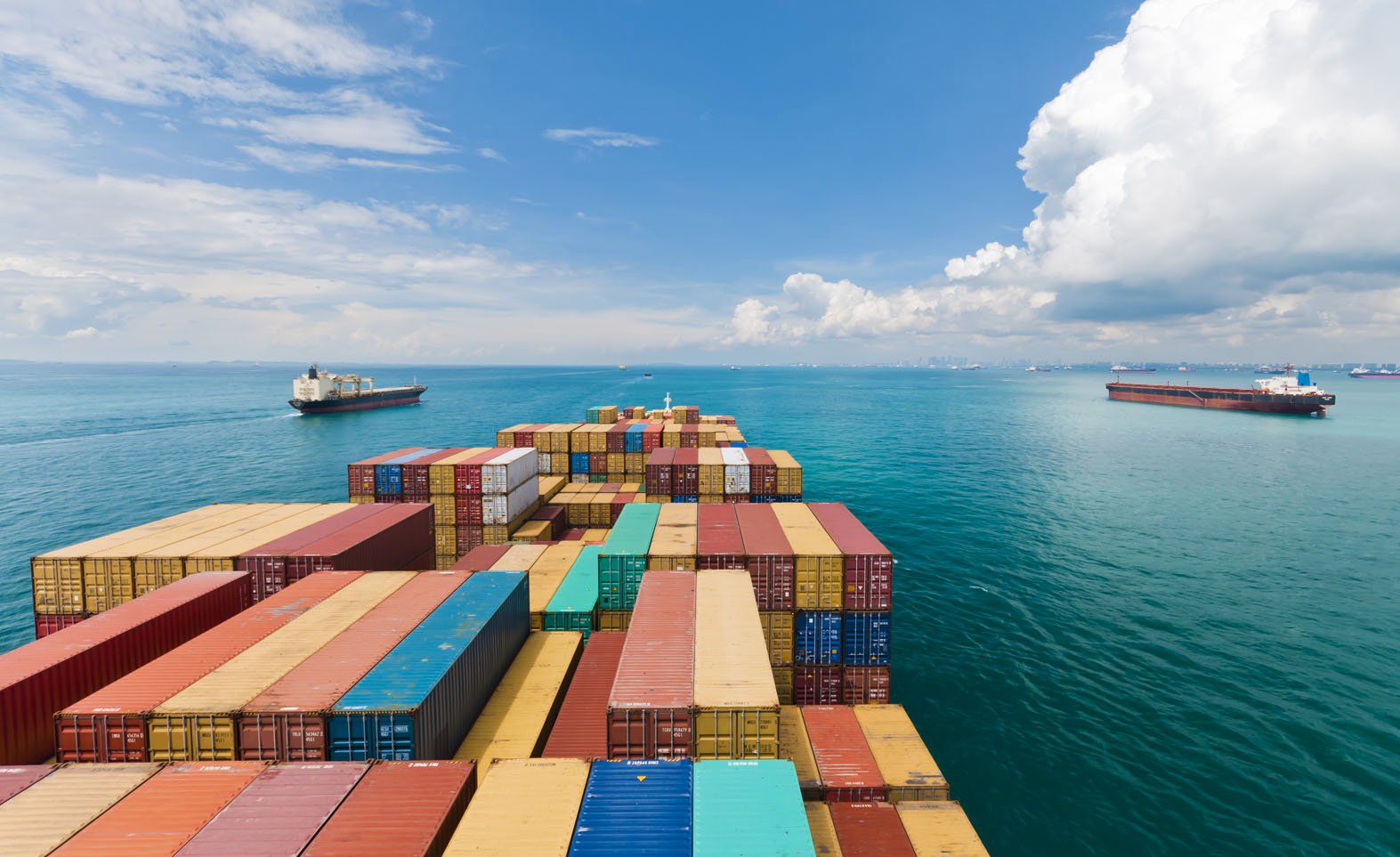
New joint venture in Russia to meet India’s growing fertiliser demand, ensure long-term supply


On Friday, Uralchem JSC of Russia inked a memorandum of understanding with three of India’s state‑owned fertilizer firms—Rashtriya Chemicals & Fertilisers Limited, National Fertilisers Limited, and Indian Potash Limited—to form a joint venture that will build a urea plant in Russia.
The new plant is expected to tap Russia’s abundant natural‑gas and ammonia supplies to produce roughly two million tonnes of urea per year, providing a much-needed steady stream of fertilizer for Indian farmers who have long grappled with supply disruptions.
Fertilizers, together with quality seeds and reliable irrigation, are a key driver of higher crop yields. Since the Green Revolution, India has dramatically increased its use of fertilizers, helping the country move closer to self‑sufficiency in food production. Even though India now records the second‑largest global consumption and the third‑largest production of fertilizers—as evidenced by the record 314 lakh tonnes of domestic urea output in 2023‑24—its sector still relies heavily on imported feedstocks for ammonia and natural gas.
The Uralchem deal will therefore reduce India’s import dependency and insulate the country from volatile global prices and supply shocks. It also strengthens economic ties as India continues to secure long‑term fertilizer agreements with countries such as Saudi Arabia, Nepal, Bhutan, and Sri Lanka.
The past Kharif season saw farmers facing shortages when China temporarily halted exports, forcing India to purchase supplies at higher prices. Simultaneously, monsoon rains expanded planted areas, increasing urea demand for both the Kharif and Rabi crops, especially wheat and paddy. Reports from Madhya Pradesh still highlight protests over the lack of essential inputs like urea and DAP.
The Indian government keeps fertilizer prices affordable through controls and subsidies and distributes the product through a network of outlets. In line with these efforts, the budget for the Department of Fertilizers was increased for 2024‑25, with a final allocation of about ₹1 91 836.29 crore after parliamentary approval of supplementary grants. The Pradhan Mantri Krishi Sinchayee Yojana (PMKSY) has also been extended to 2025‑26, with a total outlay of ₹93 068.56 crore approved for the 2021‑22 to 2025‑26 period.



Overall, the joint venture with Uralchem will help stabilize urea supplies, cut import reliance, and deepen India‑Russia collaboration—benefits that translate into better farm productivity, strengthened national food security, and a reinforced position for India as a major global fertilizer consumer and producer.
Stay informed on all the latest news, real-time breaking news updates, and follow all the important headlines in world News on Latest NewsX. Follow us on social media Facebook, Twitter(X), Gettr and subscribe our Youtube Channel.