US outlines hard-edged defence posture to deter China in Indo-Pacific


On Dec. 7, Washington announced that the United States has adopted a firmer defense strategy to counter China’s growing military and economic influence across the Indo‑Pacific.
The Trump administration’s updated National Security Strategy describes the region as “one of the next century’s key economic and geopolitical battlegrounds” and calls for the U.S. to be ready to “deny aggression anywhere in the First Island Chain.”
Released this week, the strategy claims that past U.S. policy toward Beijing was built on “mistaken American assumptions about China.” It argues that decades of engagement have strengthened China while harming American workers and industries. The report notes that “American elites, over four successive administrations of both political parties, were either willing enablers of China’s strategy or in denial.”
Washington intends to counter a range of practices, citing “predatory, state‑directed subsidies and industrial strategies,” “unfair trading practices,” and “grand‑scale intellectual property theft.” It also highlights supply‑chain risks—particularly for minerals and rare‑earth elements—and points to China’s export of “fentanyl precursors that fuel America’s opioid epidemic.”
Defense planning places particular emphasis on Taiwan, with the strategy stating the island “provides direct access to the Second Island Chain and splits Northeast and Southeast Asia into two distinct theatres.” The administration reaffirms the long‑standing U.S. position that it “does not support any unilateral change to the status quo in the Taiwan Strait.”
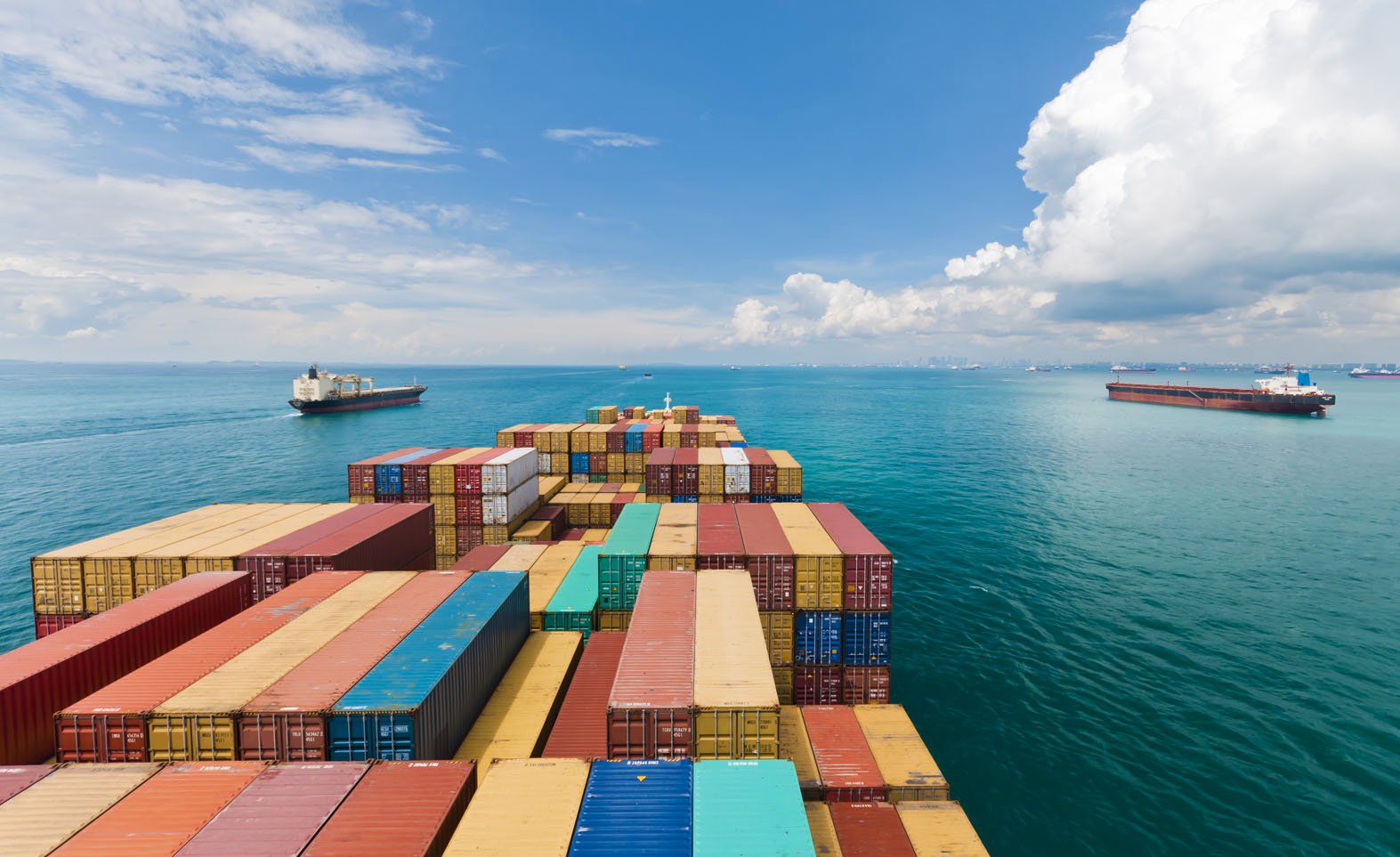
The document warns that if China controls the South China Sea, a “potentially hostile power” could “impose a toll system” or “close and reopen it at will,” noting that a third of global shipping traverses those waters. The strategy calls for “strong measures” to keep the channels open.


To sustain deterrence, the administration says the U.S. must preserve “a military balance favourable to the United States and to our allies in the region.” It pledges deeper investment in high‑end capabilities, citing AI, quantum computing, autonomous systems, and advanced energy technologies.
The strategy also places greater responsibility on U.S. allies, stating “our allies must step up and spend—and more importantly, do much more for collective defence.” This includes granting additional access to U.S. forces, increasing defense spending, and investing in deterrence‑focused capabilities.
India is identified as a central partner, with the strategy urging Washington to “must continue to improve commercial (and other) relations with India to encourage New Delhi to contribute to Indo‑Pacific security,” especially through deeper cooperation in the Quad.
The strategy was released amid intense competition between Washington and Beijing in technology, trade, and maritime security. U.S. officials have long viewed China as the primary driver in defense planning, with Taiwan and the South China Sea seen as flashpoints that could shape the regional balance for decades.
The Trump administration’s new strategy crystallizes this viewpoint.
lkj/svn
Stay informed on all the latest news, real-time breaking news updates, and follow all the important headlines in world News on Latest NewsX. Follow us on social media Facebook, Twitter(X), Gettr and subscribe our Youtube Channel.