‘Law passed after extensive debate, remains valid’: Jagdambika Pal after SC order on Waqf act

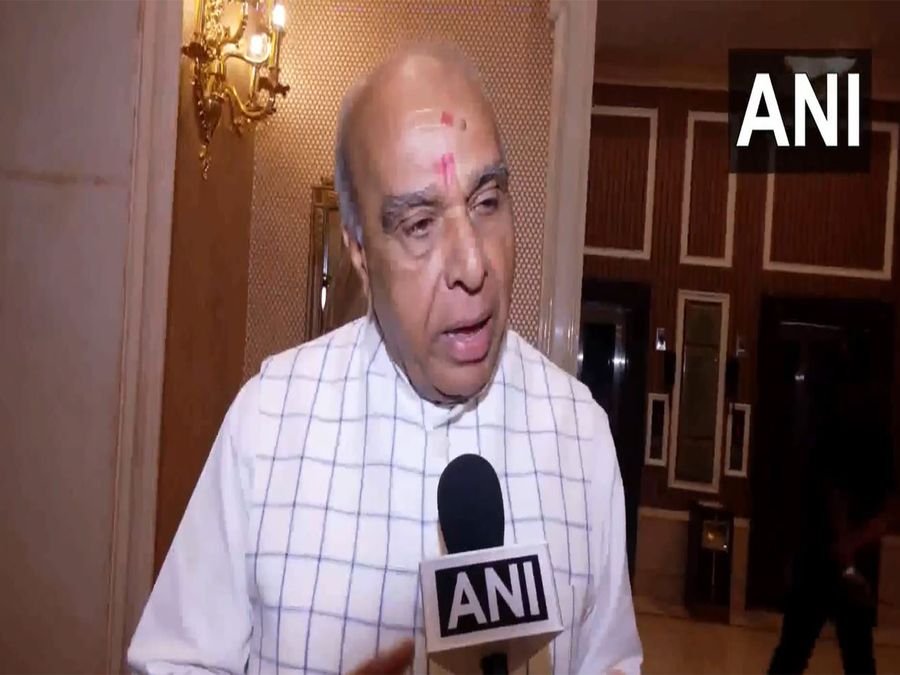
(source : ANI) ( Photo Credit : ani)
BJP MP Jagdambika Pal Defends Waqf Amendment Act After Supreme Court Partial Stay
In Bhubaneswar, Odisha, BJP MP Jagdambika Pal, who chaired the Joint Parliamentary Committee (JPC) on the Waqf Amendment Act, spoke out on Monday about the Supreme Court’s latest ruling. The court turned down requests to halt the entire Waqf Amendment Act 2025 but paused a few key provisions for now. Pal stressed that the law remains strong and valid overall.
"The Supreme Court has basically given a thumbs-up to the Waqf Amendment Act," Pal told . He pointed out that lawmakers debated the bill for a whopping 14 hours in both the Lok Sabha and Rajya Sabha. Plus, the JPC spent six months digging deep into the issues before finalizing it. "This isn’t some rushed job—it’s a solid law passed after real consultations," he added.
The JPC kicked off in August 2024 right after the government introduced the Waqf Amendment Bill in Parliament. Under Pal’s leadership, the 31-member team—including voices from the opposition like AIMIM’s Asaduddin Owaisi, TMC’s Kalyan Banerjee, Congress’s Gaurav Gogoi, and Imran Masood—traveled to states such as Maharashtra, Karnataka, Assam, West Bengal, and Uttar Pradesh. They chatted with Waqf board heads and locals to uncover stories of misuse by state Waqf boards.
From August 2024 to January 2025, the committee racked up 128 hours of intense talks with Muslim community leaders, Waqf experts, and everyday folks. Their detailed report hit Parliament on February 2, 2025, and President Droupadi Murmu gave her nod on April 5, turning it into law.
Pal insists the whole process stayed fair and open, but some opposition members grumbled that they couldn’t always speak up or get their ideas heard. Still, he says the focus was on fixing real problems in Waqf property management.

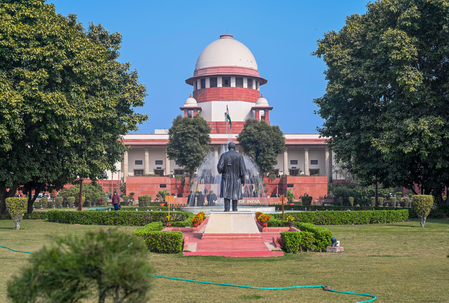
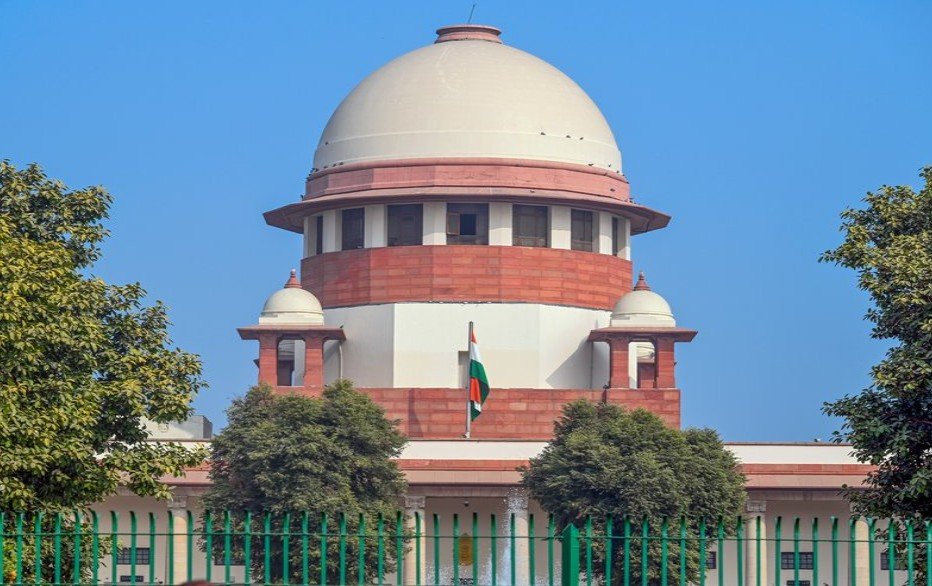

Now, about that Supreme Court twist: A bench led by Chief Justice BR Gavai and Justice Augustine George Masih stepped in on Monday. They refused to block the full Waqf Amendment Act while challenges to its constitutionality play out. But they hit pause on two big parts.
First, the rule saying someone must practice Islam for five years before creating a Waqf gets a temporary stay. The court worries this could lead to unfair power plays without clear rules on how to check someone’s faith. "We’ll hold off until the government sets up proper guidelines," the bench noted.
Second, they blocked the part letting district Collectors settle disputes over whether Waqf properties encroach on government land. This stay protects those sections until the court makes a final call.
Pal acknowledged the government’s next steps: "We’ll respect the interim stay and act based on the Supreme Court’s guidance." For now, the core of the Waqf Amendment Act moves forward, aiming to bring more transparency and curb misuse in Waqf properties across India.
This ruling keeps the spotlight on Waqf reforms, a hot topic blending religion, property rights, and governance. As petitions challenging the Act’s validity head to a full hearing, many eyes are on how it all shakes out.
Stay informed on all the latest news, real-time breaking news updates, and follow all the important headlines in world News on Latest NewsX. Follow us on social media Facebook, Twitter(X), Gettr and subscribe our Youtube Channel.