
Bangladesh is going through a concerning shift in its political and social landscape. After a regime change, many hoped the country would advance in development and social stability. But under the leadership of Muhammad Yunus, the situation seems to be heading in the wrong direction, especially when it comes to human rights and women’s rights.
Before the COVID-19 pandemic hit, Bangladesh was making good progress in its economy and had stability in society. However, some say Yunus, who has been accused of being influenced by extremist groups, has allowed radical forces to gain power. Intelligence agencies have warned that the Pakistani spy agency, ISI, wants Bangladesh to return to a more conservative and pre-1971 era, which can threaten the country’s progress.
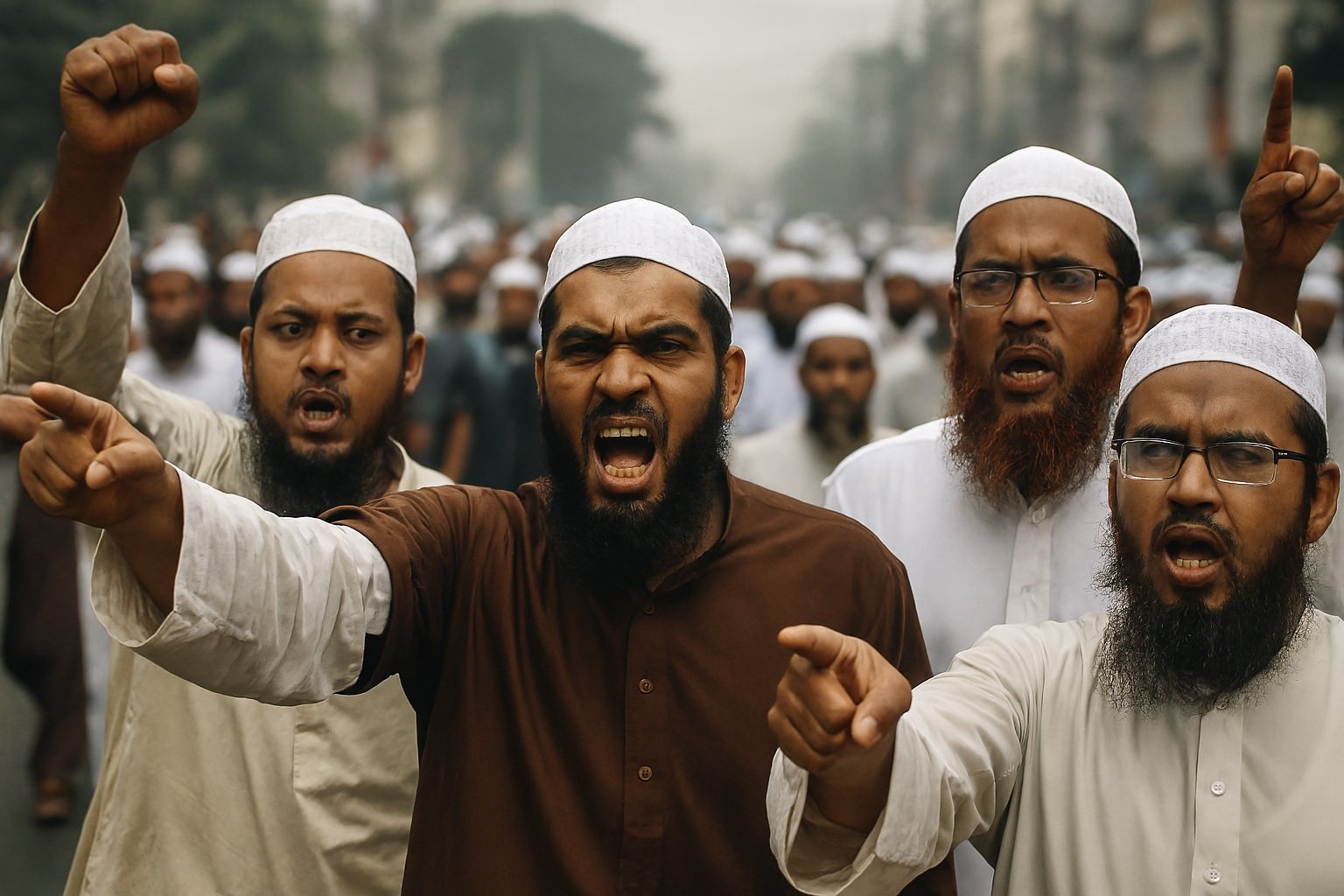
In recent times, women’s rights and minority protections are being overlooked. Radical Islamist groups now control much of the scene in Bangladesh, and they are imposing strict rules similar to Taliban-style morality police. Women who don’t dress ‘modestly’ are publicly shamed, and reports of women being assaulted for their clothing have surfaced.
One of the main groups pushing these changes is Hefazat-e-Islam (HeI). They oppose gender equality reforms and want women to stay subdued. HeI has been protesting against measures aimed at empowering women, such as criminalizing marital rape, ensuring equal rights for women regardless of religion or ethnicity, protecting women’s inheritance, increasing women’s representation in parliament, and promoting women’s education and skill development.
HeI advocates for a more conservative, Taliban-like society where women are not equal to men. The group also has ties to the Jamaat-e-Islami party and publicly opposes close ties with India. In 2021, HeI members clashed with supporters of Bangladesh’s ruling party when they tried to protest against Prime Minister Narendra Modi, even attempting to disrespect him publicly.
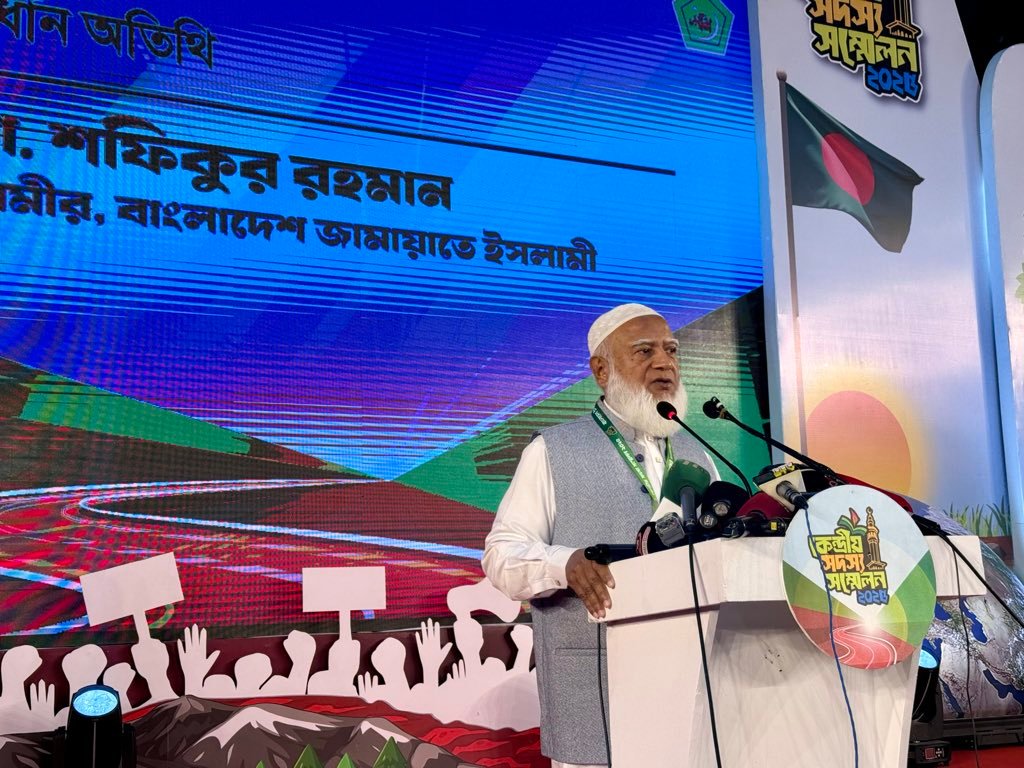

Since the fall of Sheikh Hasina’s government, reports say HeI’s influence has grown rapidly. Once considered moderate, the group is now fully radicalized. Despite some government attempts to push forward reforms, HeI and Jamaat-e-Islami are pushing back strong. The group claims they have no links to terror organizations like Al-Qaeda, but critics believe their real aim is to obstruct justice for war crimes committed during Bangladesh’s independence fight in 1971.
HeI’s leadership has made confusing statements and even claimed links with notorious figures like Osama Bin Laden, though they later denied such ties. Some experts believe these contradictory signals are meant toavoid scrutiny and banishment.
Founded in 2010, Hefazat-e-Islam originally opposed proposed laws for women’s property rights. Since Sheikh Hasina’s government was ousted, HeI has intensified its demands with the backing of Jamaat-e-Islami, which controls much of Bangladesh’s current ruling coalition.
With hardline groups gaining strength and little control from the current government, there is growing concern that Bangladesh risks becoming a Taliban-like state, where women’s rights and minority protections are severely compromised. This represents a troubling shift away from the country’s earlier social progress and stability.