Exclusive | Qatar floated as new home for Maduro — as US weighs strikes in Venezuela’s waters

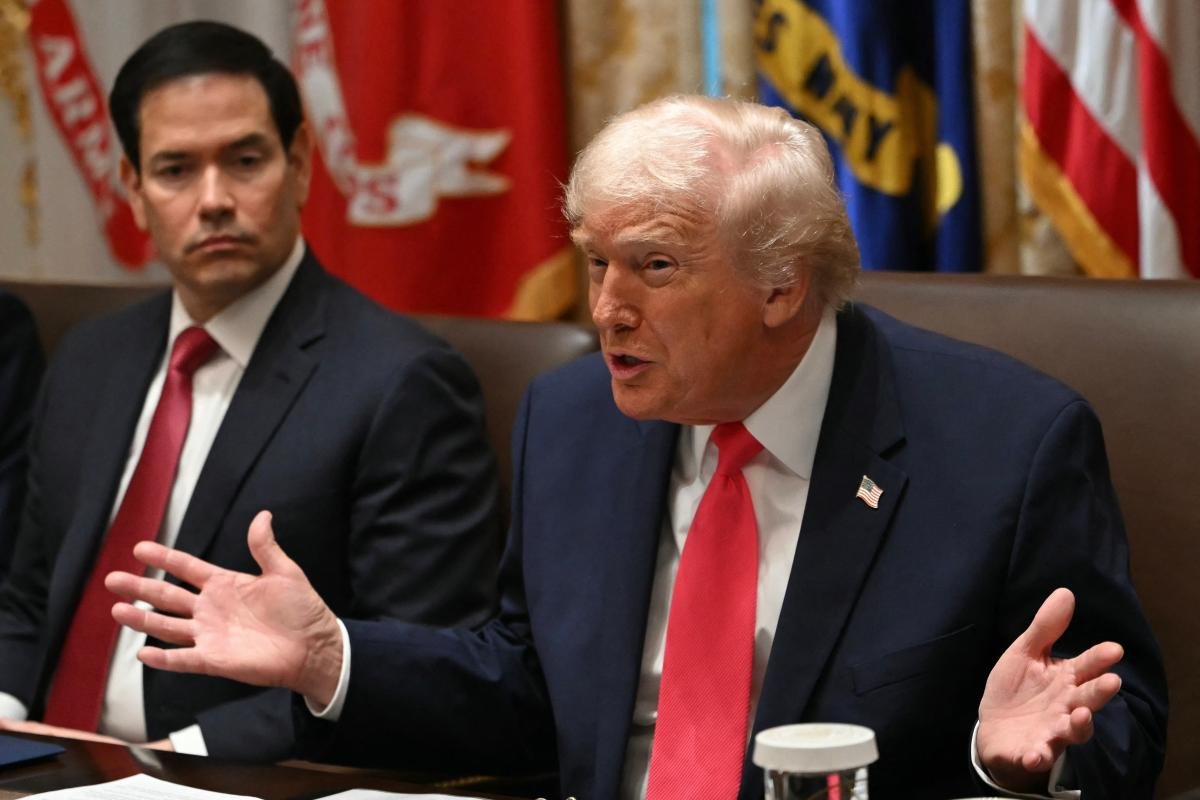
WASHINGTON – Reports from the New York Post indicate that U.S. officials are weighing the possibility of letting Venezuela’s longtime ruler, Nicolas Maduro, retire in one of the globe’s wealthiest destinations. This move could come as President Trump’s campaign of aerial strikes on suspected drug vessels gains intensity near the western coast of South America.
A senior member of the Trump team revealed that Secretary of State Marco Rubio has suggested relocating Maduro—now 63—to Qatar, a gas‑rich nation that has recently stepped in as a mediator in the Venezuelan crisis.
Three current government insiders and two former staffers told the Post that the plan is not only doable but could be favorable for U.S. interests.
“Qatar, Saudi Arabia and the UAE love to do stuff like this. It helps build chits with the US,” a source close to the administration remarked.
“All three compete against each other — in the region and for the ultimate affection of the US.”


A contact familiar with Qatar’s involvement in Venezuelan affairs cautioned that Maduro isn’t simply looking for a palace in Doha. Qatar’s monarchs played a role in a Trump‑proposed peace settlement between Israel and Hamas, and the state also hosted senior Hamas leaders, prompting Israeli air raids in September in an effort to eliminate them.
“It is untrue that Maduro is fleeing to Qatar,” the individual asserted.
Trump verbally confronted Maduro last week, urging him to step down immediately. According to reports, Maduro counter‑ed by proposing a transition to his vice president and a broad amnesty covering himself and his associates.
The State Department did not reply to the Post’s request for a comment on this story.
Just last month, the Trump administration labeled Maduro and his allies as members of a foreign terrorist organization—an action intended to broaden U.S. military options for strikes inside Venezuelan waters. Rubio accused the Cartel de los Soles (Cartel of the Suns) of “responsible for terrorist violence.”
The White House cited this terrorist designation to justify drone attacks against suspected narco‑terrorist vessels in the Caribbean, including a double strike on September 2 that resulted in fatalities. White House Press Secretary Karoline Leavitt defended the legality of the ongoing boat raids targeting alleged drug traffickers who have killed at least 80 people, emphasizing “self‑defence to protect Americans and vital United States interests.”
On Monday afternoon, Trump met with Rubio, Defense Secretary Pete Hegseth and other senior officials to chart the next steps against Maduro.
U.S. intelligence agencies are now collecting data to inform recommendations, with a decision expected later in the week or early next.
One possibility on the table is to strike drug traffickers within Venezuela’s 12‑nautical‑mile territorial waters. Such an action would raise the pressure on Trump to seek congressional approval for military engagement, as many lawmakers have already criticized the boat attacks without granting a formal vote.
Trump announced on October 23 that he was preparing to brief Congress on a plan to take land‑based action inside Venezuela, but has refrained as he negotiates Maduro’s resignation and potential exile.
During a cabinet meeting on Tuesday, President Trump threatened to launch strikes against Venezuelan drug traffickers operating on land—and warned that Colombian operators could also become targets.
“Anybody that’s doing that and selling it into our country is subject to attack,” Trump stated. “No, not just Venezuela.”
Stay informed on all the latest news, real-time breaking news updates, and follow all the important headlines in world News on Latest NewsX. Follow us on social media Facebook, Twitter(X), Gettr and subscribe our Youtube Channel.