Bangladesh just two days away from one of most consequential polls since independence

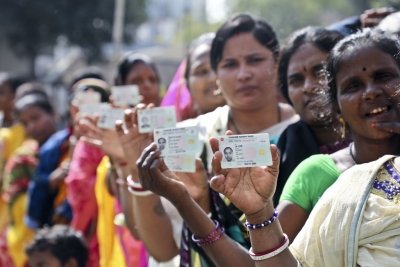
New Delhi, Feb 9 (LatestNewsX) Bangladesh is poised barely two days away from one of the most consequential elections since its independence in 1971, with its 13th national election to be held on Thursday, February 12, to select its next government and a Prime Minister.
A ban on the Awami League, ousted in August 2024 in a student-led protest, pits the contest primarily between two major groups, one led by the Bangladesh Nationalist Party (BNP) and the other by Bangladesh Jamaat-e-Islami. For years, Awami Leader Sheikh Hasina has been held responsible for sidelining Opposition parties, who often boycotted elections or were allegedly weakened by arrests.
Now, Hasina has been forced to seek refuge in India, while her party is banned and a death order has been handed to her.
Meanwhile, the minority community remain under constant fear, with several incidents of Hindu lynchings reported by the country’s media. Close to 12.8 crore registered voters, according to the Bangladesh Election Commission website, will exercise their mandate at 42,779 polling booths to elect representatives from 60 political parties recognised by the poll body.
It is the Gen Z to largely shape poll narratives, where their choice can influence the outcome, redefine Bangladesh’s politics and diplomacy, and Dhaka’s future role in maintaining regional balance.
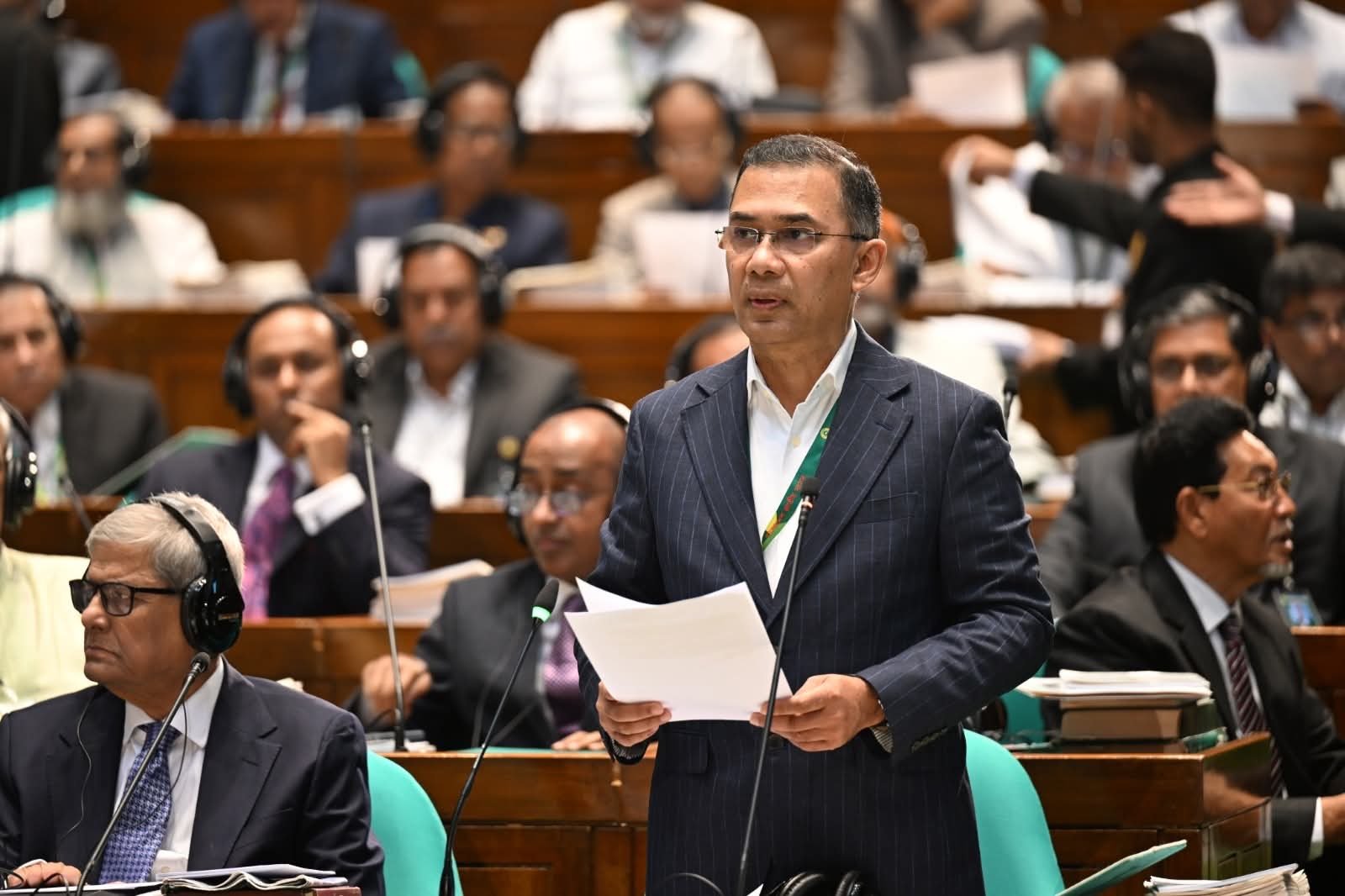



Analysts believe BNP would maintain better ties with India compared to Jamaat, which could lean more towards Pakistan. Jamaat’s Gen-Z allies openly criticise “New Delhi’s dominance” and have been holding meetings with China’s diplomats.
Ground reports and opinion polls predict an edge for the BNP, though some say that the Jamaat may surprise with its best showing yet. The Jamaat has faced a series of strictures and legal challenges for its alleged 1971 role in Islamabad’s favour, with the former government led by Hasina also imposing a ban after a court ruling.
The Yunus-led interim administration lifted the ban, and the party’s registration was restored following a Supreme Court decision.
On Friday, alongside the election, a referendum on the “July Charter” (constitutional reforms) will be held where voters must give a collective “yes” or “no” to a series of reforms aimed at reshaping Bangladesh’s governance and democratic structure.
Awami League under Sheikh Hasina dominated the political sphere in Bangladesh between 2008 and 2024. During this period, Opposition parties, like the BNP and Jamaat, have often boycotted elections, alleging political dominance and arrest of their leaders. This time, with the Awami League banned from participating in any political activities after Hasina’s ouster in 2024, the contest is mainly between the BNP and Jamaat coalitions.
In 1973, when the election was first held after Bangladesh’s independence in 1971, the Awami League under Sheikh Mujibur Rahman dominated, winning 292 of the Parliament’s 300 seats. After Mujib’s assassination in 1975 and military rule under General Ziaur Rahman, the general election held in 1979 saw the BNP win a majority, consolidating the latter’s political influence.
In the next polls, held under military ruler Hussain Muhammad Ershad, the Opposition boycotted the 1986 Parliamentary election. Though Jatiya Party (Ershad) won, the legitimacy was under cloud. BNP under Khaleda Zia won the 1991 election and again, in 1996, which was boycotted by the Awami League. The election was annulled amid protests, and new polls held the same year under a caretaker government saw the Awami League under Sheikh Hasina forming government.
The subsequent election in 2001 resulted in a BNP-led alliance winning a majority, returning Khaleda Zia to power.
The next election, after a military-backed caretaker rule (2007–2008), brought back Sheikh Hasina, who returned as Prime Minister. Awami League won again in 2014, which was boycotted by the Opposition boycott with reports of widespread violence.
In 2018, Hasina returned amidst Opposition allegations of political suppression and vote-rigging, winning 288 of the country’s 300 seats. In between, Bangladesh politics witnessed interventions in the form of takeovers and coups.
jb/uk
Stay informed on all the latest news, real-time breaking news updates, and follow all the important headlines in world News on Latest NewsX. Follow us on social media Facebook, Twitter(X), Gettr and subscribe our Youtube Channel.