
Decades of neglect leaves Pakistan-occupied Gilgit-Baltistan struggling with basic facilities

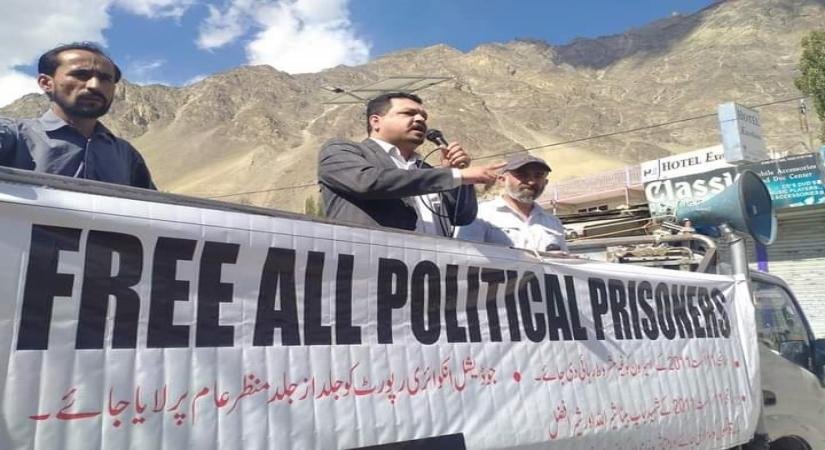
Islamabad, Dec. 27 — According to a report released Saturday, Pakistan‑occupied Gilgit‑Baltistan (PoGB) has struggled with civic issues and slow development for two decades. During that time the region has been run without local councils, leaving many residents without reliable public services.
The study highlighted severe gaps in the PoGB’s health infrastructure. Hospitals often lack basic equipment, functioning labs, and enough doctors, forcing patients to travel to the “down country” for treatment. As Assistant Professor Sajjad Ahmad of the Centre for Business and Economic Research at Karachi’s Institute of Business Administration noted in Dawn, “People in many cases, take patients to what they call ‘down country’ for treatment, putting an additional burden on their finances. Even the basic facilities such as electricity, clean water and sanitation remain rare in many areas.” He added that the province’s limited budget is still being stretched by the push to create more districts—an effort he finds puzzling given the fiscal pressures. In areas with fewer than 50,000 residents, the expenses of running a new district can exacerbate existing budget shortages, the report said. It also points out that PoGB’s current spending leans heavily on salaries at the expense of development projects, a reversal of the usual priority.
The report cited this year’s record floods in Ghizer, Ghanche, Skardu, and surrounding districts, which devastated livelihoods across the region. Over the past five years, PoGB has also seen large demonstrations and sit‑ins over governance. Protesters opposed the Pakistani government’s plan to phase out wheat subsidies for the area and to introduce new taxes. Civil society, political, and religious groups sharply criticized the PoGB Land Reforms Act of 2025 and the arrests of Awami Action Committee leaders who have voiced opposition to local authorities’ decisions.
One notable protest involved a nearly two‑month sit‑in by local traders and business owners at the Sost dry port. They rallied against Pakistan’s efforts to impose sales tax, advance income tax, and federal excise duties through the Federal Board of Revenue. The government eventually exempted imports worth up to Rs 4 billion from federal taxes if the goods were for local use.
In 2025, unrest intensified. Police officers—many women constables—suspended their salaries over unpaid allowances and benefits, and faced suspension themselves after staging an overnight sit‑in outside the regional authority’s residence in August. Rather than resolving these disputes through dialogue, the administration’s responses deepened tensions between law‑enforcement officials and the authorities, the report warned.

Stay informed on all the latest news, real-time breaking news updates, and follow all the important headlines in world News on Latest NewsX. Follow us on social media Facebook, Twitter(X), Gettr and subscribe our Youtube Channel.