From Uri to Pahalgam: PM Modi’s zero-tolerance doctrine against Pakistan’s terror playbook


India has always stood firm against Pakistan’s terrorism, and the story of how Prime Minister Narendra Modi handled the brutal Pahalgam attack shows just how resolute the country can be. Remember the Uri terror attack in 2016? It led to India’s surgical strikes across the border, a bold move that caught Pakistan off guard. Then came the Pulwama attack in 2019, which triggered the Balakot airstrikes deep inside Pakistan. These strikes sent a powerful message: India won’t tolerate cross-border terrorism.
But Pakistan didn’t learn its lesson. It tried another misadventure with the Pahalgam attack, where terrorists brutally killed 26 innocent people. The nation was furious, and all eyes turned to PM Modi. People across India demanded a strong response—something even tougher than Balakot or the surgical strikes. Pressure mounted on the Prime Minister to act decisively.
In a crucial meeting with the chiefs of the Indian armed forces, PM Modi laid it out clearly: the retaliation must hit hard and make Pakistan think twice before trying anything like this again. He gave the military full freedom to plan and execute, promising complete support from his government. This wasn’t easy—India had to weigh timing, strategy, and the fact that Pakistan is a nuclear-armed neighbor. Pakistan often waves its nuclear card to scare India off, but our leadership called that bluff. No more backing down.
For years, Pakistan sponsored terror attacks on Indian soil and escaped with just international condemnation and denials. They labeled everything as “cross-border terrorism” to dodge responsibility. But under PM Modi’s watch, things changed after Pahalgam. India decided to treat any terror attack as an act of war. No more half-measures.
The armed forces got to work with meticulous planning, while PM Modi and his team kept a close eye on developments. Once everything was set, the green light came through, and Operation Sindoor was launched—a precise and powerful strike against terror hideouts.
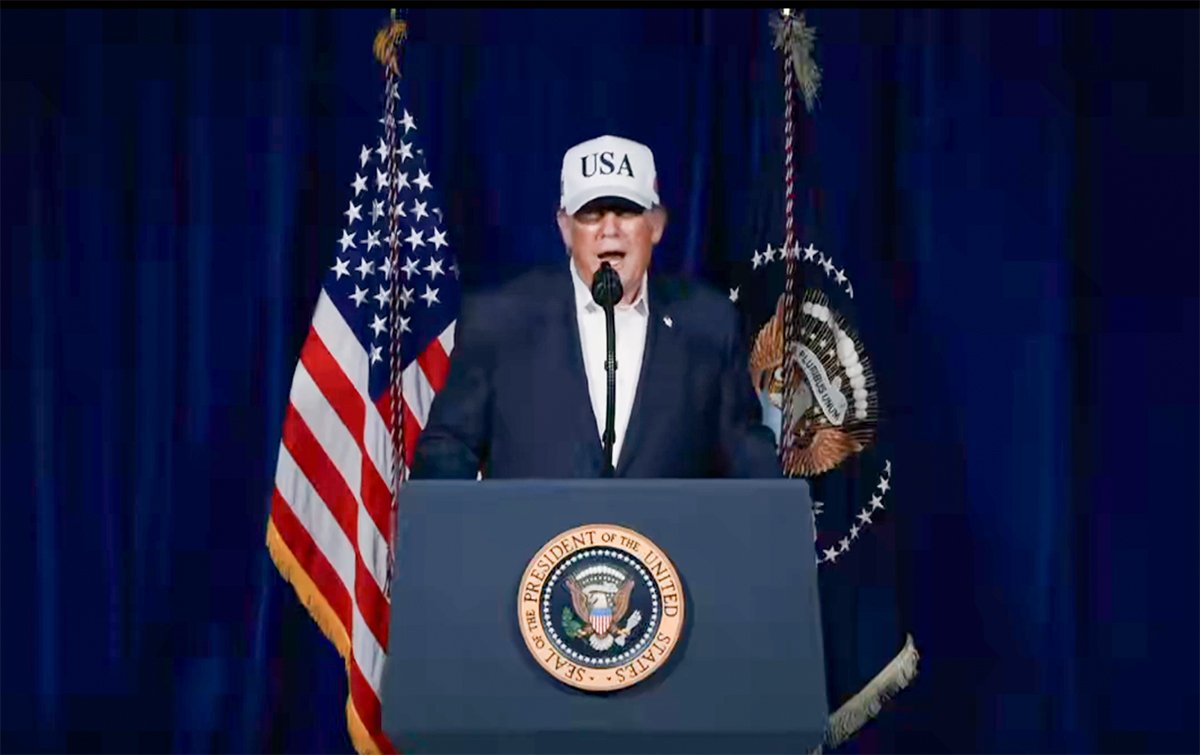
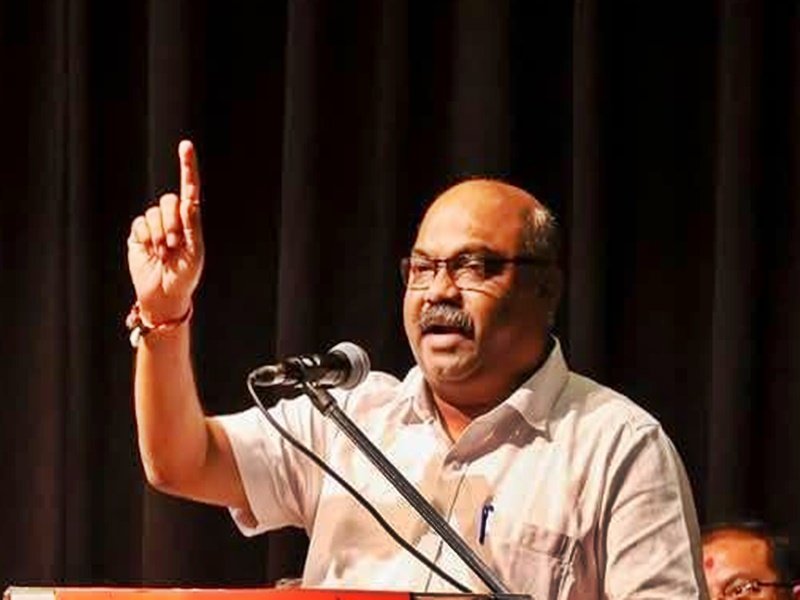
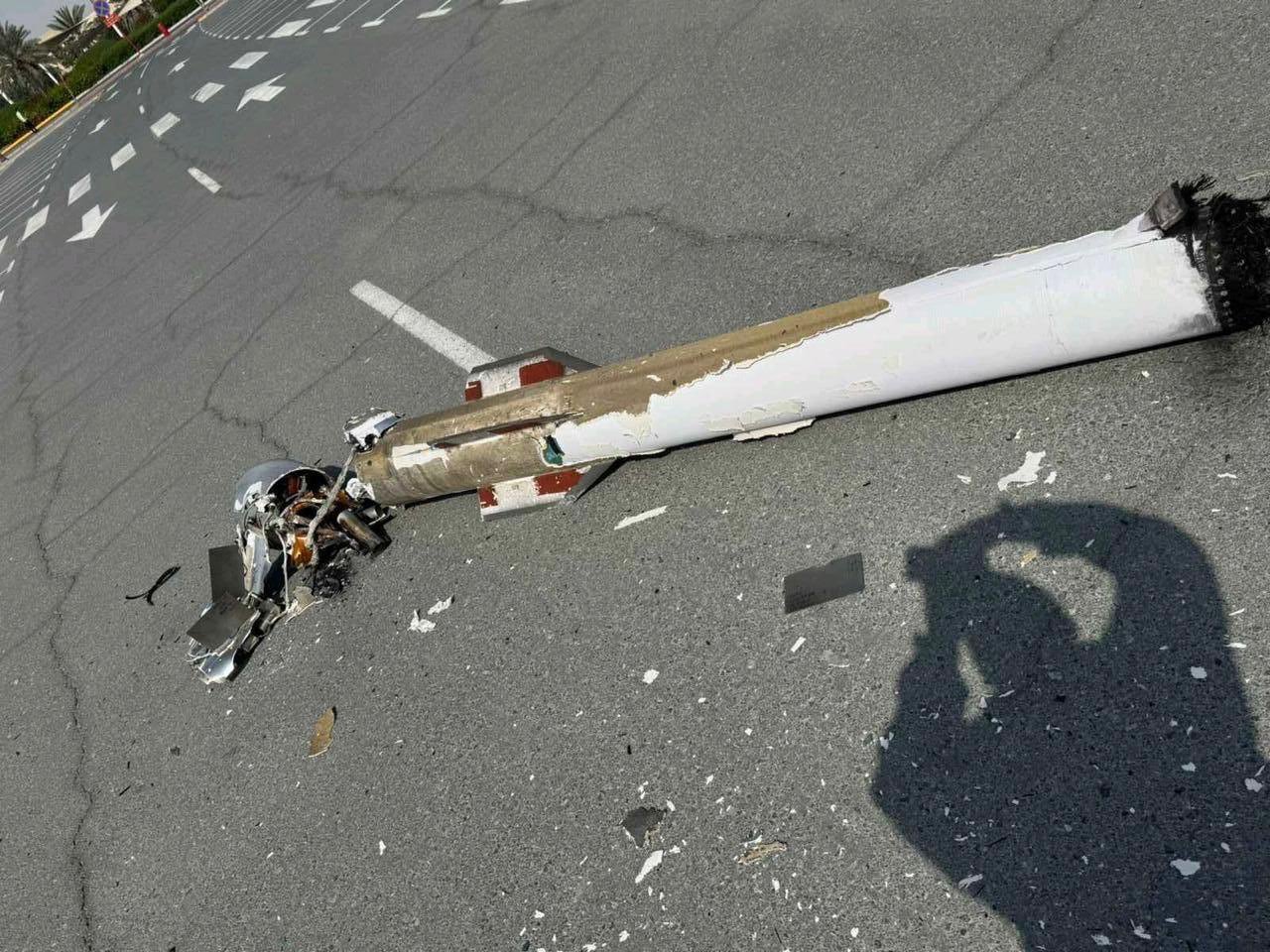
PM Modi’s Pakistan policy has been straightforward from the start: no talks until terrorism stops. Early in his first term, he even made a surprise visit to meet then-Pakistani PM Nawaz Sharif, hoping for better ties. But that goodwill shattered with the Pathankot terror attack by Pakistani militants. Since then, relations have stayed tense. PM Modi has repeatedly said peace is possible only if Pakistan ends its support for terrorists. When attacks kept coming, India chose action over words.
Take the bold decision to abrogate Article 370 in Jammu and Kashmir in 2019. It was a game-changer, integrating J&K fully into India and ending any debate on its status. Security forces were ready for backlash, and turning it into a Union Territory let the central government step in to stabilize things. The results? Booming development, a surge in tourism, and a sharp drop in terror incidents. Jammu and Kashmir is thriving as an inseparable part of India.
After Operation Sindoor, PM Modi addressed the nation, making India’s stance crystal clear. He ruled out any discussions with Pakistan except on terrorism and Pakistan-occupied Kashmir (PoK). He warned Pakistan’s leaders and military that such provocations could spell their doom.
In that speech, PM Modi outlined India’s new security doctrine with three key pillars: decisive retaliation against attacks, zero tolerance for nuclear blackmail, and no difference between terrorists and those who sponsor them. The message to Pakistan? Dismantle your terror network if you want to survive. Trade and terror can’t mix, and neither can blood and water flow together. No tolerance for terror—that’s India’s firm policy on Pakistan under PM Modi’s leadership.
Stay informed on all the latest news, real-time breaking news updates, and follow all the important headlines in world News on Latest NewsX. Follow us on social media Facebook, Twitter(X), Gettr and subscribe our Youtube Channel.