
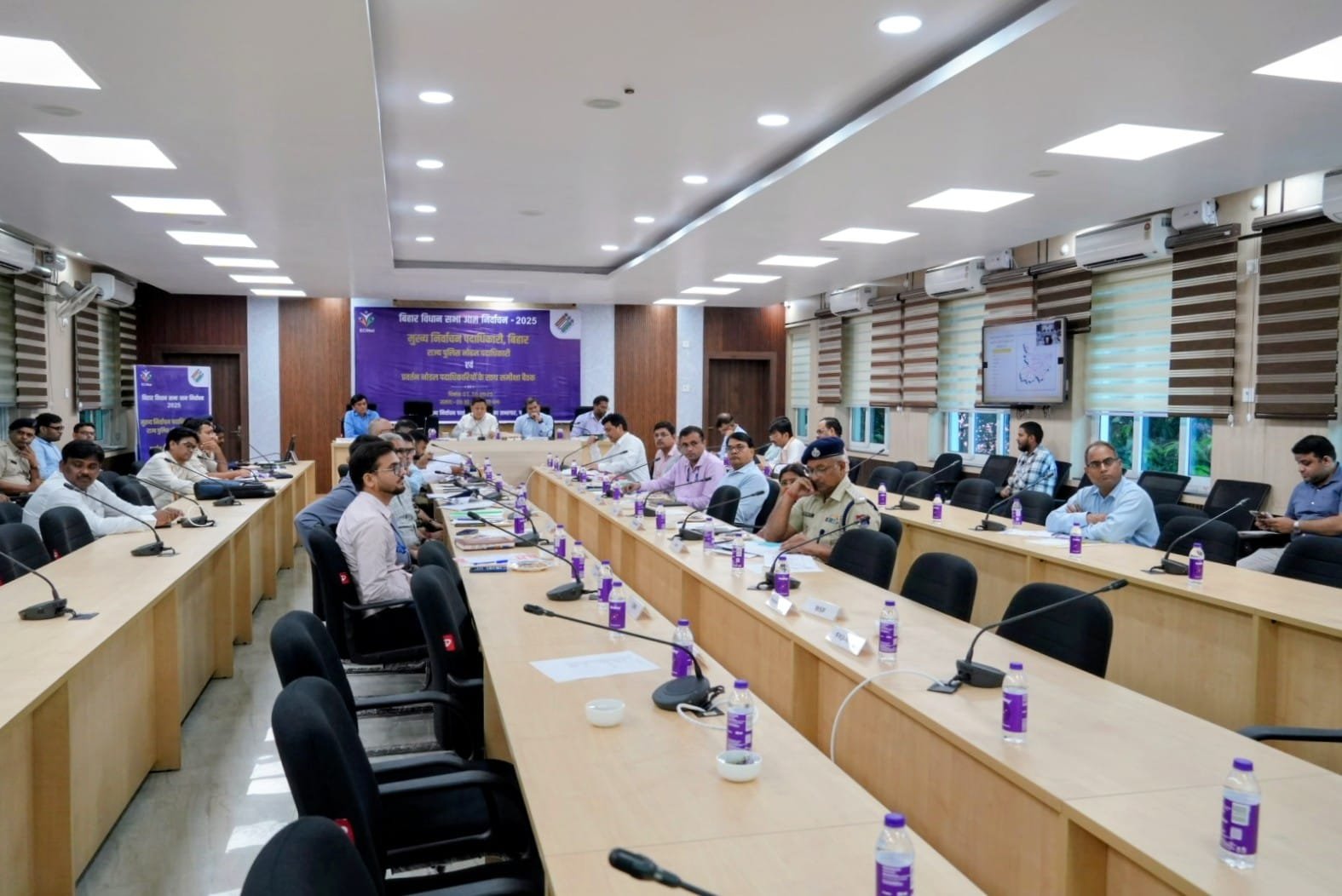
India’s Election Commission is facing intense scrutiny over its recent cleanup of voter lists in Bihar, but the agency is standing firm amid the backlash. The controversy kicked off when the Commission launched a Special Intensive Revision, or SIR, of the electoral rolls in the state. This process has sparked protests, parliamentary disruptions, and even petitions to the Supreme Court, with critics accusing it of enabling “vote theft” through mass deletions of names without proper checks.
Despite the uproar, the Election Commission of India pressed ahead, following its established rules. On September 30, it released the updated Bihar electoral roll for public access. Throughout the SIR, the Commission kept everyone informed by posting regular progress updates on its website. If you’re a Bihar resident hoping to add your name to the voter list, you can still submit an application up to 10 days before the nomination deadline for the upcoming elections.
Bihar’s Assembly election schedule should drop by the end of next week, ramping up the stakes. The Commission has made it clear that if you’re unhappy with any changes to the rolls—like your name being added or removed—you have options. Start with a first appeal to your District Magistrate, then escalate to the state’s Chief Electoral Officer under Section 24 of the Representation of the People Act, 1950.
This isn’t the first time the Election Commission has weathered storms like this. Past controversies have involved claims of cozying up to ruling parties or even tampering with Electronic Voting Machines (EVMs). But the current fight over Bihar’s electoral rolls feels like the toughest yet. Since India’s very first general elections, the Commission has run these SIRs more than a dozen times to weed out ineligible voters, duplicates, and those who have passed away, keeping the system clean and fair.
Under Section 21 of the Representation of the People Act, 1950, the Commission must revise rolls before elections unless it says otherwise. It can also order special revisions anytime for good reasons, tailoring the approach as needed. The ECI’s own March 2023 manual on electoral rolls explains that a Special Intensive Revision goes deeper than regular ones. Teams of enumerators visit homes door-to-door, checking details of current voters and adding new eligible ones on the spot.

For context, back in 2003, Bihar joined six other states for an intensive revision, while most of the country did a simpler special summary version. By 2004, the whole nation shifted to that summary style. The key point? The Commission has the flexibility to tweak procedures based on the situation, as long as it sticks to the law.
Even with all this legal backing and a track record of similar efforts, the Bihar SIR has drawn fierce allegations of foul play. Protests erupted, debates stalled Parliament, and courts got involved—all while the process stuck to the book. As Bihar gears up for its polls, the debate over voter list integrity shows no signs of cooling down.
Stay informed on all the latest news, real-time breaking news updates, and follow all the important headlines in world News on Latest NewsX. Follow us on social media Facebook, Twitter(X), Gettr and subscribe our Youtube Channel.