“Indian manuscripts are a civilisational treasure,” says PM Modi as he launches ‘Gyan Bharatam’


(source : ANI) ( Photo Credit : ani)
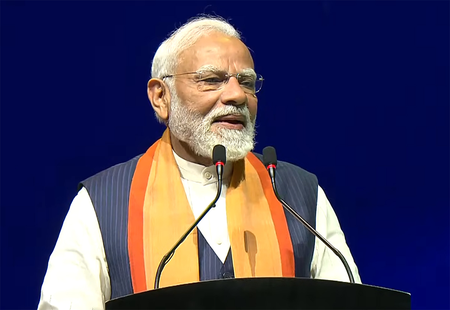
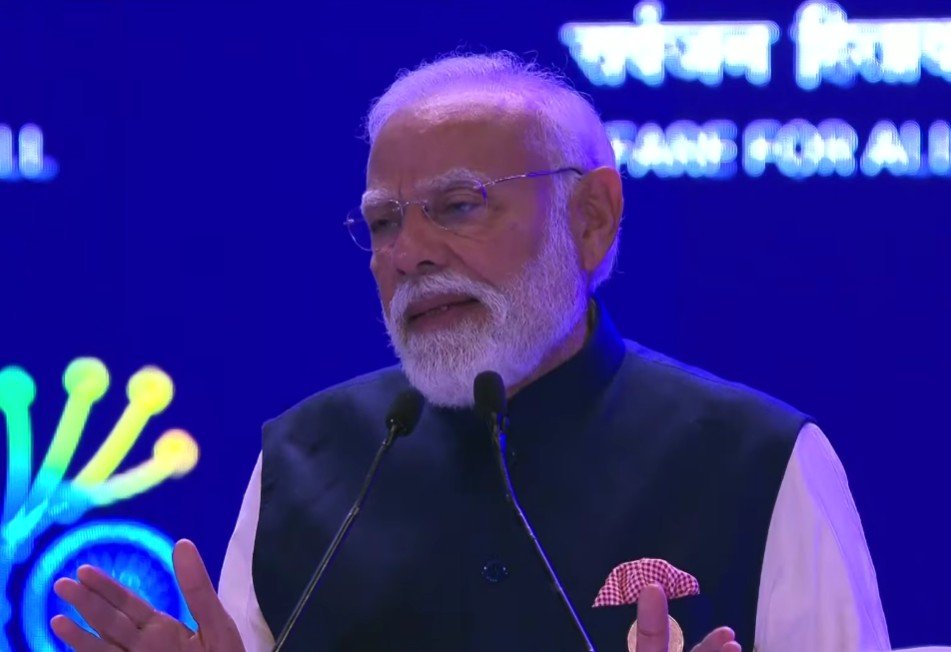
Prime Minister Narendra Modi on Friday hailed India’s ancient manuscripts as a priceless treasure that showcases the country’s rich history and knowledge. Speaking at the Gyan Bharatam International Conference in New Delhi, he urged everyone to celebrate this heritage as a symbol of India’s pride.
The three-day event, wrapping up on September 13, focuses on reclaiming India’s knowledge legacy through its vast collection of manuscripts. PM Modi pointed out that every nation cherishes its historical artifacts, but India’s manuscripts stand out. “From the invention of zero to modern computer science, much of today’s knowledge traces back to India,” he said. These documents hold an unmatched civilizational wealth, written in over 80 languages like Sanskrit, Prakrit, Assamese, Bengali, Kannada, Kashmiri, Konkani, Maithili, and Malayalam.
PM Modi highlighted how these ancient texts capture India’s unity in diversity and reflect the journey of human progress. They cover everything from philosophy and science to medicine, art, astronomy, and architecture. For example, the famous Gilgit Manuscript offers a true glimpse into Kashmir’s history. “These manuscripts map out the path of mankind’s advancement,” he added.
In a big win for India, PM Modi noted that hundreds of stolen ancient statues are now returning home, boosting global respect for the nation’s heritage. The government is teaming up with universities in Thailand and Vietnam to train experts in reading manuscripts in Pali, Lanna, and Cham languages. The Gyan Bharatam Mission will drive these efforts forward, preserving this legacy worldwide through partnerships with countries sharing deep cultural bonds.
To fight intellectual theft—where traditional Indian knowledge gets copied and patented abroad—PM Modi stressed the need for digitization. “Digitizing these manuscripts will stop piracy and let the world access authentic sources,” he said. He also shared that the global cultural and creative industries are booming at $2.5 trillion, and digitized Indian manuscripts could fuel this growth as a massive data bank. New tech like AI will spark fresh research and opportunities for young innovators.
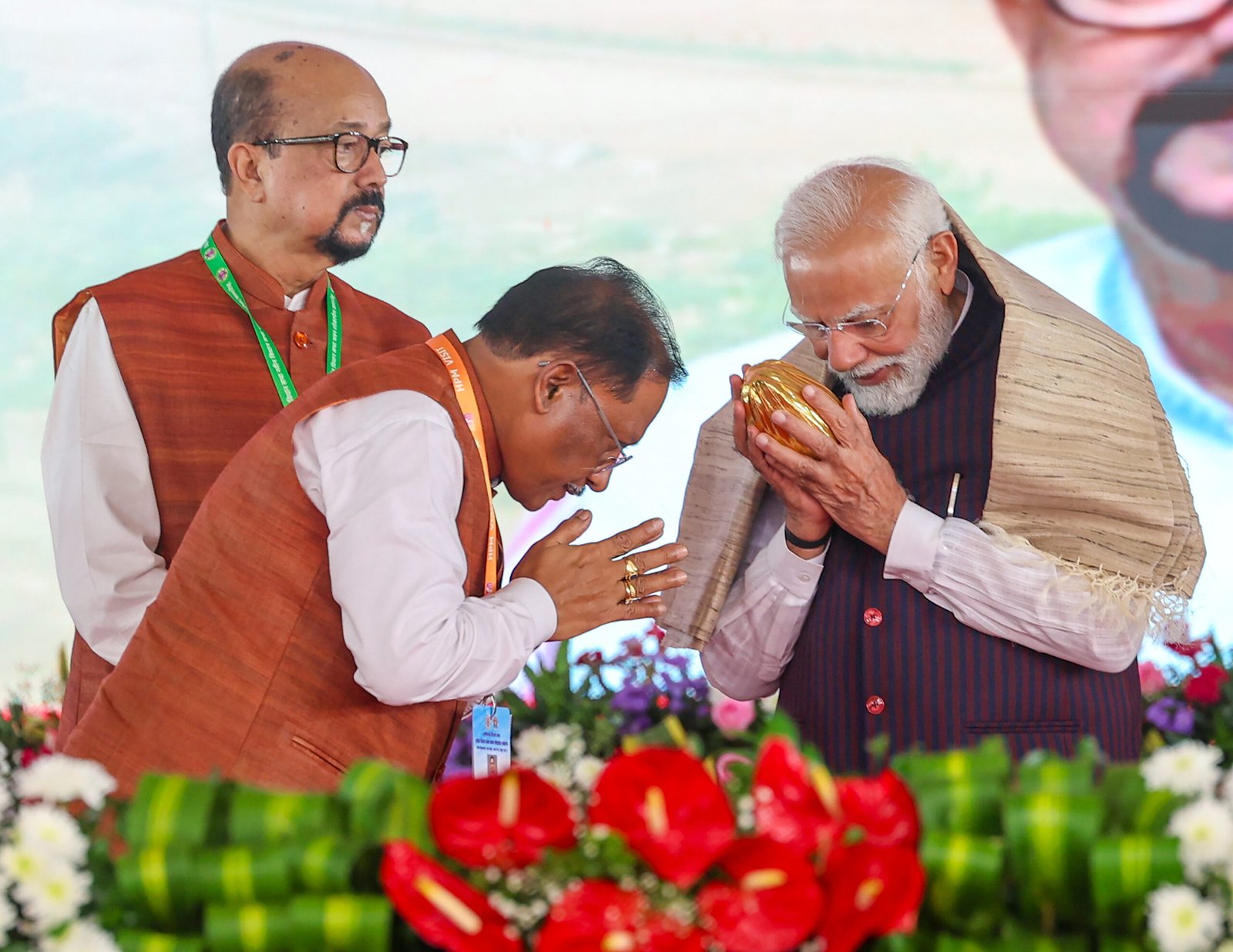
Calling on India’s youth, PM Modi said, “Join the Gyan Bharatam Mission! Already, 70% of participants are young people, which is a great sign.” Their energy, combined with universities and institutes, will use technology to unlock the past and share evidence-based knowledge with the world. This will help build a developed India by 2047, positioning the country as a global knowledge leader.
The Ministry of Culture sees Gyan Bharatam as a nationwide push to protect and spread India’s manuscript treasures. Key goals include creating a national register to identify and document texts, restoring fragile ones, digitizing them with AI tools, and building a National Digital Repository. It will also support research, translations, scholar training, digital platforms, public involvement, and global ties to weave this wisdom into education and beyond.
Stay informed on all the latest news, real-time breaking news updates, and follow all the important headlines in world News on Latest NewsX. Follow us on social media Facebook, Twitter(X), Gettr and subscribe our Youtube Channel.