

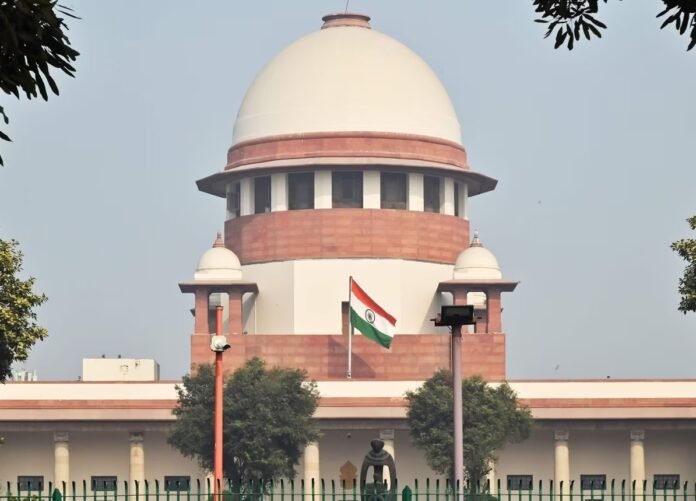
Supreme Court Cracks Down on Delays in Uploading Judgments by High Courts
In a strong move to boost transparency in India’s judicial system, the Supreme Court has ordered all High Courts to upload full reasoned judgments right after pronouncing their decisions. No more waiting around for months or years—this practice has to stop now.
The directive came from a bench led by Justices J.B. Pardiwala and Sandeep Mehta during a recent hearing. They highlighted a shocking example from the Punjab and Haryana High Court, which gave its operative order on February 18, 2016, but only uploaded the detailed judgment on July 18, 2018. That’s a whopping delay of over two years and five months! The judges called this "a matter of grave concern" and made it clear that such habits are damaging the trust people have in the courts.
"We’ve seen this trend in some High Courts where they announce the main decision first and then take forever to share the reasons behind it," the bench said, referencing past Supreme Court rulings. They pulled from the famous Anil Rai v. State of Bihar case, warning that these delays "raise eyebrows and can shake people’s confidence in the judicial system." As the court put it, "For the fault of a few, the glorious name of the judiciary cannot be tarnished."
To fix this, the Supreme Court has asked all High Courts to follow the guidelines from the Anil Rai judgment strictly. This means delivering and uploading reasoned judgments without any unnecessary hold-ups. The bench even circulated their latest order to every High Court, hoping it drives the point home. "We don’t want to see any more cases of delays in uploading these orders," they added firmly.
This isn’t the first time the top court has raised the alarm on judgment delays. Just last month in August, Justices Sanjay Karol and Prashant Kumar Mishra expressed serious worries about High Courts taking too long to pronounce judgments after hearings wrap up. They said such delays erode "litigants’ faith in the judicial process" and noted that they’re constantly dealing with cases pending for three months, six months, or even years.
In one striking instance, while handling a special leave petition (SLP) on a criminal appeal stuck since 2008 in the Allahabad High Court, the apex court called it "extremely shocking and surprising" that no judgment came for nearly a year after the hearing. The Supreme Court disposed of that SLP but used it to underline the urgency for faster justice delivery.
These steps from the Supreme Court aim to make the Indian judiciary more efficient and reliable, ensuring that justice isn’t just done but seen to be done promptly. For anyone tracking Supreme Court judgments or High Court delays, this could mark a turning point in streamlining court processes across the country.