SC halts Allahabad HC order restraining Ramlila in school playground


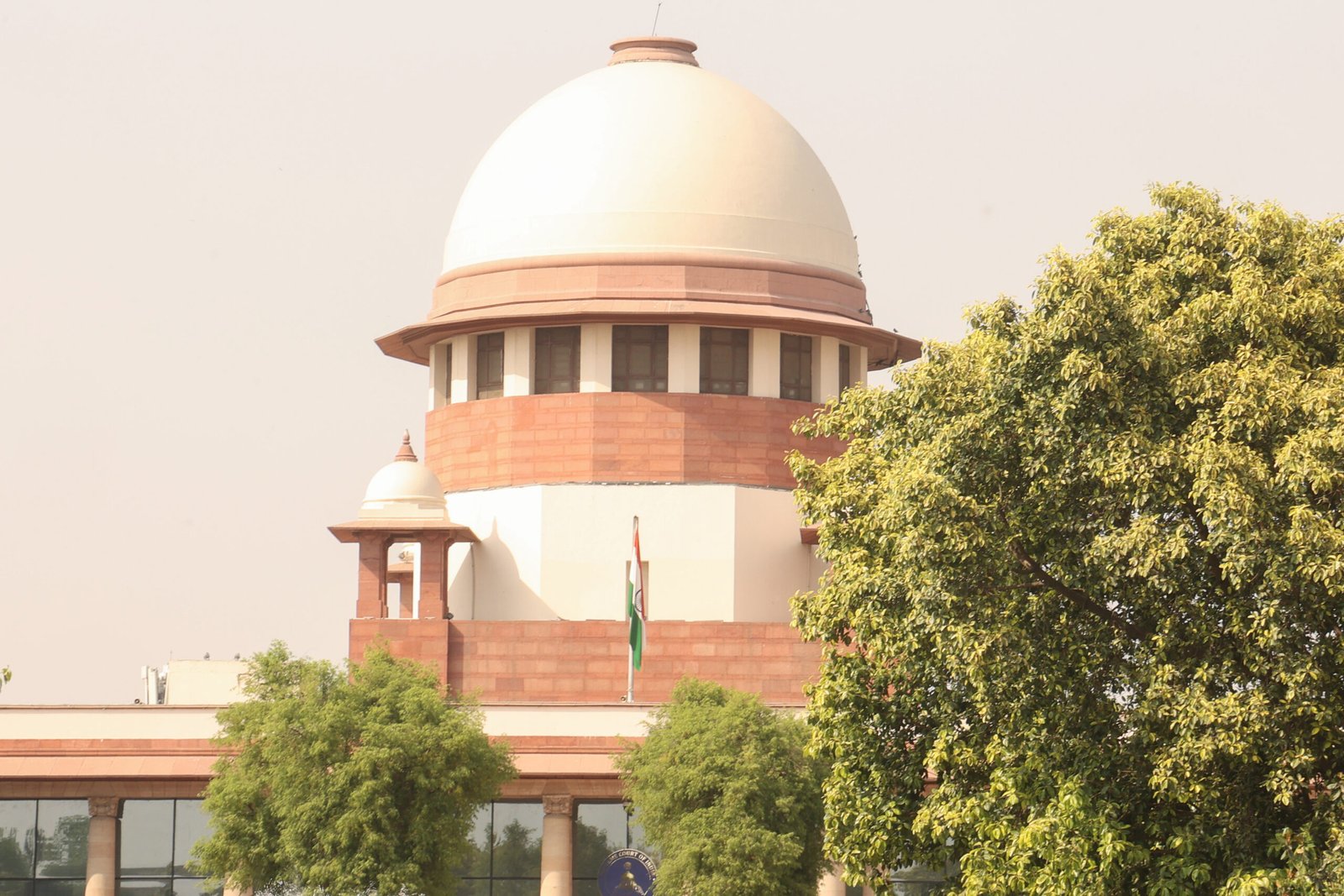
India’s Supreme Court stepped in on Thursday to allow Ramlila celebrations to go ahead at a school playground in Tundla, Uttar Pradesh, overturning a recent Allahabad High Court ban. The top court paused the lower court’s order, but with a key caveat: the events must not disrupt students’ studies or sports activities.
A bench led by Justice Surya Kant, along with Justices Ujjal Bhuyan and N. Kotiswar Singh, heard urgent arguments from the Ramlila Committee. The group pointed out that these cultural festivities, which reenact scenes from the Ramayana epic, have taken place on the same ground for over 100 years. “The celebrations can continue,” the bench ruled, “as long as they don’t cause any hassle for the kids or block their playtime.”
During the hearing, the justices grilled the original petitioner who filed the public interest litigation (PIL) in Allahabad High Court. “What changed all of a sudden to make you file this now?” they asked. “For the last 100 years, where were you? You’re not a student, not a parent, and not even the property owner—yet you jumped into court right after things started. Why not speak up earlier?”
The Supreme Court also nudged the Allahabad High Court to find a new spot for future Ramlila events, keeping the playground free for schoolchildren’s sports and games.
This drama unfolded after the Ramlila Committee filed a special leave petition claiming the High Court issued its ban without hearing their side. The High Court had acted on a PIL highlighting serious issues at the government school in Tundla. Judges there, led by Chief Justice Arun Bhansali and Justice Kshitij Shailendra, slammed what they saw as misuse of the space.

They noted the entire playground was now paved with cement interlocking tiles, turning it into a permanent event venue and robbing kids of their play area. Waterlogging was the excuse from Uttar Pradesh officials and the local Nagar Palika Parishad, but the court shot that down—admitting no sports could happen on the hard surface anymore.
Other concerns piled up: The school’s main gate got renamed “Sita Ram Gate,” complete with swings and decorations that screamed permanent change. The PIL warned that the 18-day Ramlila setup, including a big stage and seating, would wreck academic routines, with performances running from 7 p.m. to 10 p.m.
The High Court wasn’t buying the tradition argument either. Officials couldn’t clearly say who organized the Ramlila or who approved using school grounds. “This looks like an attempt to hijack school land for good,” the bench said, calling the whole setup “clearly illegal.” They banned any further use of the premises for such events by unnamed groups or the Ramlila Committee.
For now, the Supreme Court’s intervention keeps the age-old Ramlila tradition alive in Tundla, balancing cultural heritage with kids’ rights to a proper playground. The case highlights ongoing tensions in India between community events and school needs in shared public spaces.
Stay informed on all the latest news, real-time breaking news updates, and follow all the important headlines in world News on Latest NewsX. Follow us on social media Facebook, Twitter(X), Gettr and subscribe our Youtube Channel.