
(source : ANI) ( Photo Credit : ani)
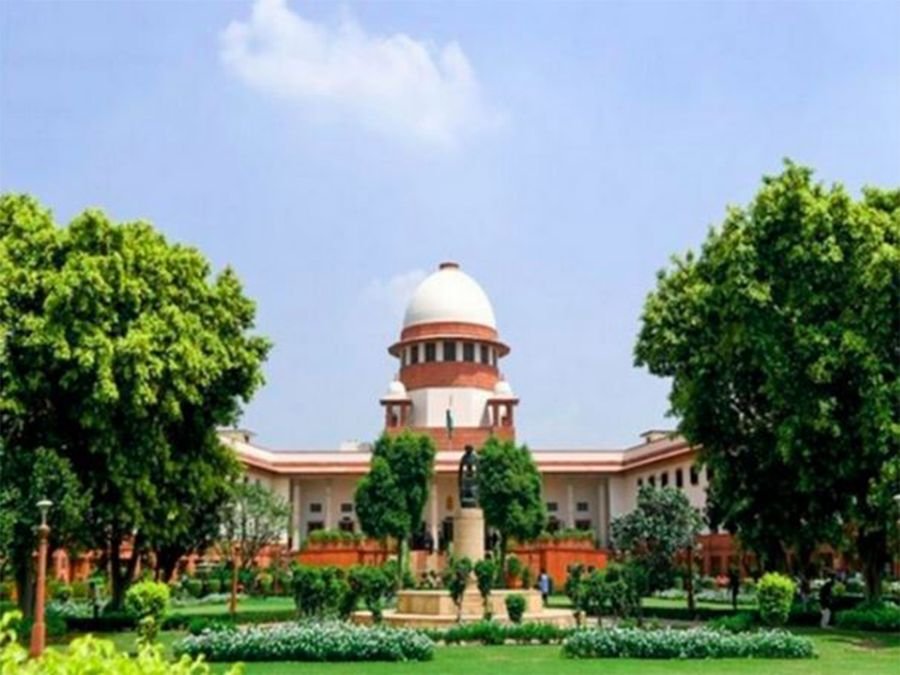
The Supreme Court of India is set to deliver its verdict on interim relief for several petitions challenging the Waqf (Amendment) Act, 2025. This big decision comes on September 15, after a bench led by Chief Justice BR Gavai and Justice Augustine George Masih reserved their order back on May 22.
Multiple petitions have flooded the top court, questioning the constitutional validity of the new Waqf Act. Petitioners argue that the law discriminates against the Muslim community and tramples on their fundamental rights under the Constitution.
During the heated hearings, Solicitor General Tushar Mehta, speaking for the central government, strongly defended key parts of the Waqf Amendment Act 2025. He pointed out that the original 1923 law didn’t allow non-Muslims to create Waqfs, mainly to prevent people from using it as a trick to dodge creditors. It was only in the 2013 update that non-Muslims got this right, Mehta explained.
Mehta also backed the rule requiring someone to practice Islam for at least five years before creating a Waqf. He stressed that this ensures genuine intent. On Section 3E, which blocks Waqf creation on lands in Scheduled Areas, he said it’s all about protecting Scheduled Tribes from losing their rights. “Waqf creation is permanent and irreversible,” Mehta warned, adding that tribal lands are often grabbed under the cover of Waqf claims, hurting vulnerable communities.
Senior advocate Ranjeet Kumar, representing the Haryana government and a tribal group in favor of the 2025 amendments, shared a stark example from Rajasthan. There, a Waqf claim popped up over 500 acres of land meant for mining, showing how such moves can disrupt development and tribal interests.




Chief Justice Gavai chipped in during the session, noting that registering Waqfs was already a must under the old 1923 and 1954 laws. It’s not a new hurdle from the Waqf Amendment Act.
On the other side, six BJP-ruled states have stepped up to support the amendments in the Supreme Court, highlighting their push for better Waqf property management.
The whole saga kicked off when President Droupadi Murmu gave her nod to the Waqf (Amendment) Bill on April 5, following intense debates in Parliament’s Lok Sabha and Rajya Sabha.
The Centre has already submitted its affidavit to the Supreme Court, urging the court to dismiss the challenges. It argues that the Waqf Act amendments focus purely on regulating the secular side of property management, without touching religious freedoms under Articles 25 and 26 of the Constitution. The government insists no fundamental rights are violated and asks the court not to stay any provisions. After all, courts typically avoid halting laws midway and prefer to settle the full matter.
As India watches closely, this Supreme Court ruling on the Waqf Amendment Act 2025 could shape how Waqf properties are handled across the country, balancing community rights with broader protections. Stay tuned for the outcome on September 15.
Stay informed on all the latest news, real-time breaking news updates, and follow all the important headlines in world News on Latest NewsX. Follow us on social media Facebook, Twitter(X), Gettr and subscribe our Youtube Channel.