Stakeholders meet on regional action plan for elephant conservation in Northeast

Key Meeting Boosts Elephant Conservation Efforts in Northeast India
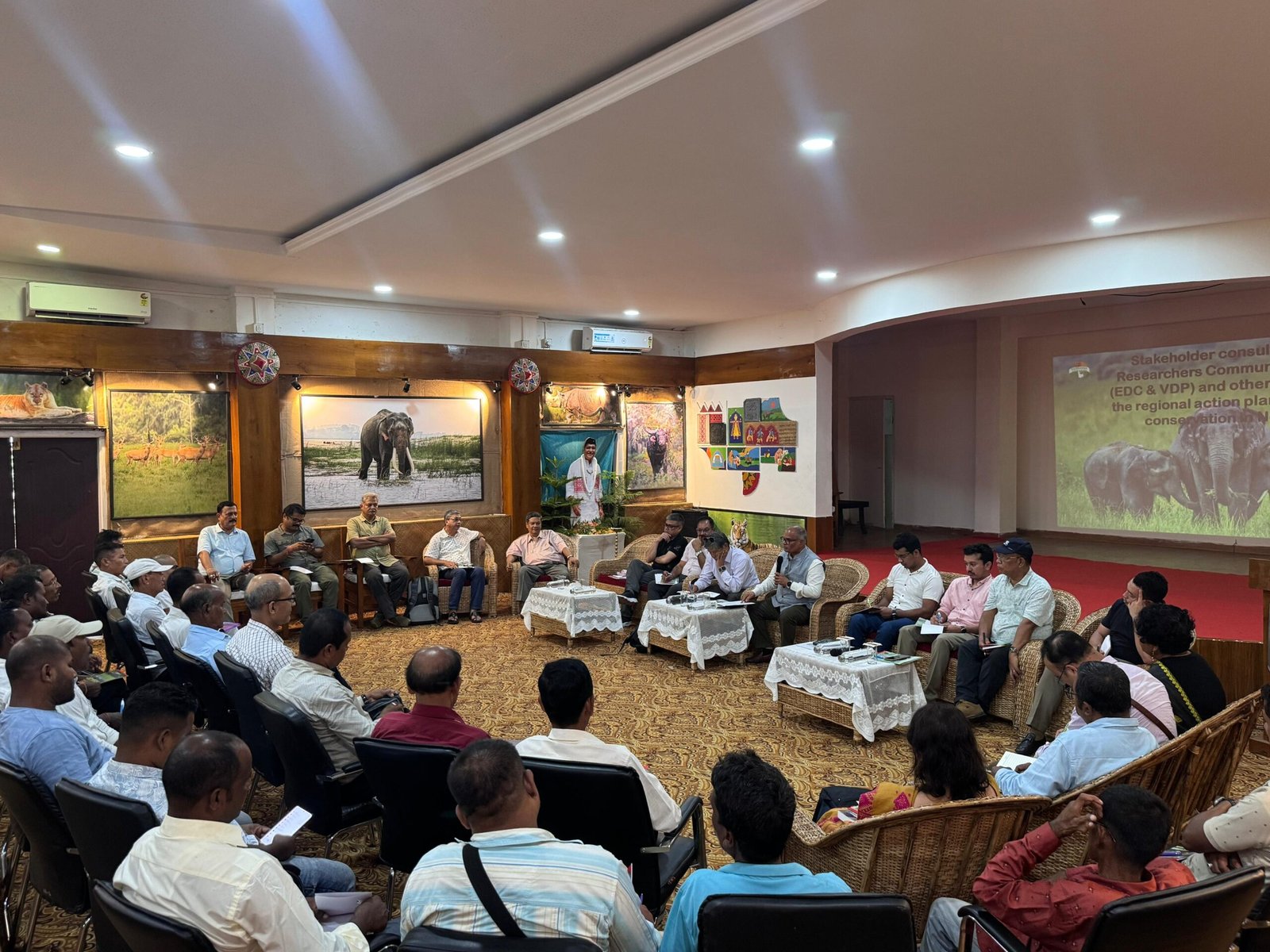
Guwahati, Sep 12: Experts and locals gathered in Kaziranga National Park and Tiger Reserve (KNPTR) on Friday for a vital discussion on saving elephants in Northeast India. The event took place at the Kohora Convention Centre, right in the heart of this UNESCO World Heritage Site, known for its stunning wildlife.
KNPTR Director Sonali Ghosh shared that the meeting featured a team from the Ministry of Environment, Forest and Climate Change (MoEFCC), led by retired Indian Forest Service officer B.S. Bonal. The group visited the park from September 9 to 12 to dive deep into elephant protection plans.
Northeast India boasts 13 key elephant reserves that offer safe homes for wild elephants and help conserve them across vast landscapes. Ghosh highlighted major ones like Kameng and South Arunachal in Arunachal Pradesh; Sonitpur, Dihing-Patkai, Kaziranga-Karbi Anglong, Dhansiri-Lungding, and Chirang-Ripu in Assam; Intanki and Singphan in Nagaland; and Garo Hills and Khasi Hills in Meghalaya.
These reserves connect through elephant corridors, which let elephants migrate seasonally over long distances. This keeps their genetic diversity strong and cuts down on human-elephant conflicts in forested areas, Ghosh explained. "Spotting, safeguarding, and fixing these corridors is crucial for elephants’ survival here," she added. "They help elephants move freely between broken habitats, even as roads and development split up their spaces."
The consultation drew a mix of voices, including researchers, Eco-Development Committees (EDC), Village Defence Parties (VDP), and community members. Everyone focused on real-world solutions for elephant conservation challenges, like reducing human-elephant conflict, linking habitats, and getting locals more involved.




Ghosh noted that the MoEFCC’s Regional Action Plan for Elephants aims to protect wild populations, secure habitats and corridors, and tackle human-elephant conflict (HEC). It stresses teamwork, community help, and strong anti-poaching measures.
The meeting also saw retired IFS officer M.K. Yadava, Assam’s Principal Chief Conservator of Forests Vinay Gupta, and other elephant experts join in.
Kaziranga National Park, India’s seventh UNESCO World Heritage Site, spans three forest divisions: Eastern Assam Wildlife Division in Bokakhat, Bishwanath Wildlife Division in Biswanath Chariali, and Nagaon Wildlife Division in Nagaon. It’s a hotspot for the ‘Big Five’ animals, with impressive numbers—2,613 Greater One-horned Rhinoceroses (2022 census), 104 Bengal Tigers (2022), 1,228 Asian Elephants (2024), 2,565 Wild Water Buffaloes (2022), and 1,129 Eastern Swamp Deer (2022). These efforts show how Northeast India’s elephant reserves and corridors play a big role in wildlife protection.
Stay informed on all the latest news, real-time breaking news updates, and follow all the important headlines in world News on Latest NewsX. Follow us on social media Facebook, Twitter(X), Gettr and subscribe our Youtube Channel.