Is Pakistan once again positioning itself as the frontline state? (IANS Analysis)


Remember when the Soviet Union invaded Afghanistan in 1979? That moment catapulted Pakistan into the global spotlight. Under General Zia-ul-Haq’s iron-fisted rule, the country quickly positioned itself as the West’s key ally against communism. Pakistan turned into a pipeline for U.S. cash, weapons, and secret ops to fight back Soviet forces. It earned the label of “frontline state,” scoring quick wins like billions in aid. But it also sowed seeds of trouble—deep militarization, rising radicalism, and a heavy reliance on foreign handouts that still haunts Pakistan’s politics today.
Fast forward four decades, and echoes of that era are ringing loud again. The U.S. pulled out of Afghanistan in chaotic fashion back in 2021, letting the Taliban sweep back into power and topple the U.S.-backed government. Now, with Donald Trump back in the White House, America is rethinking its strategy in South and Central Asia. At the center of it all? Bagram Air Base, the massive hub outside Kabul that once anchored U.S. and NATO operations in the region.
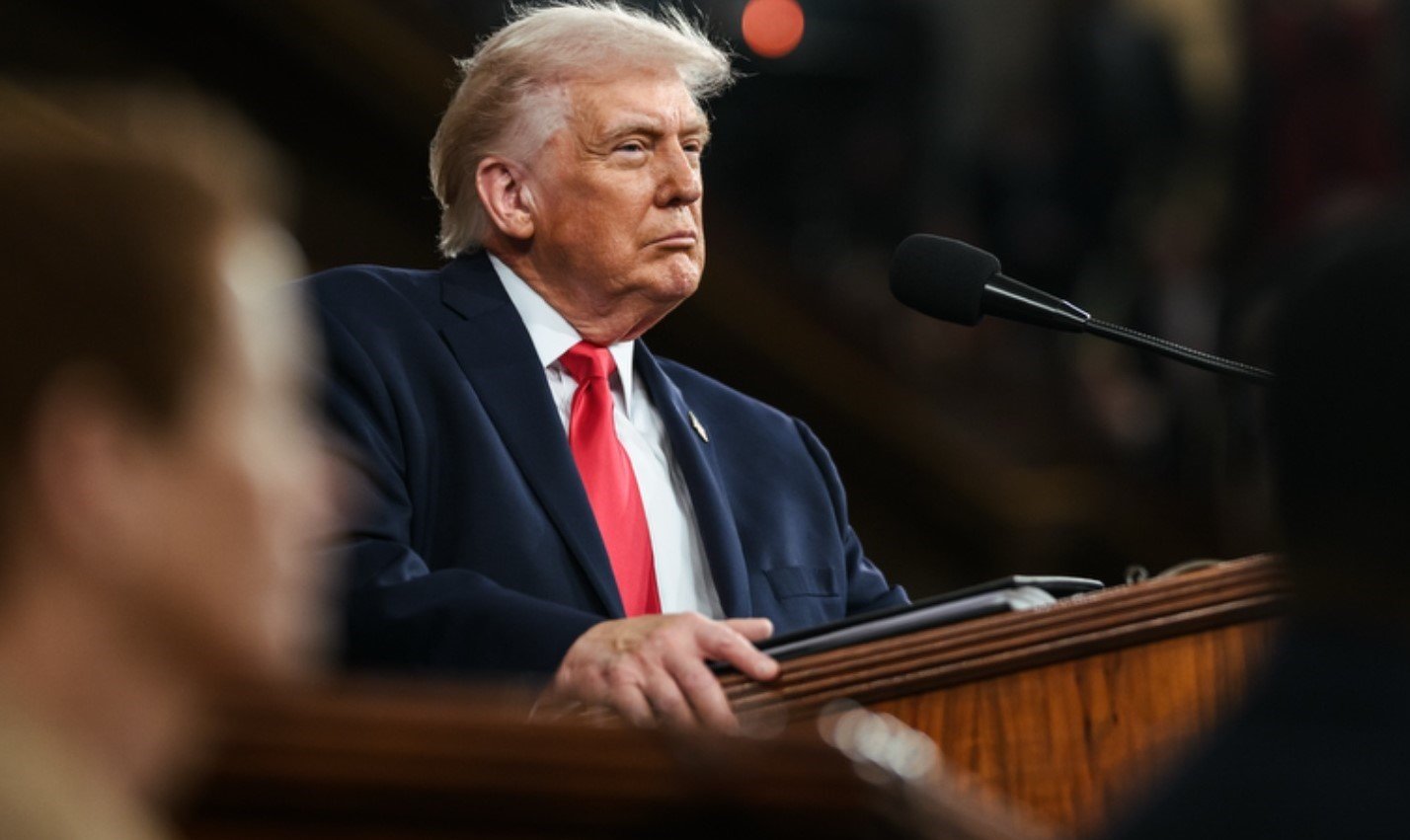
Trump wants Bagram back—not just for old times’ sake, but to keep tabs on China’s growing influence. He’s pushing the Taliban to hand it over, framing it as a move in the bigger U.S.-China rivalry. Pakistan, always quick to spot an opening, is stepping up as the go-between once more. Despite its tight bonds with Beijing, Islamabad sees a chance to rebuild ties with Washington after years of rocky U.S.-Pakistan relations.
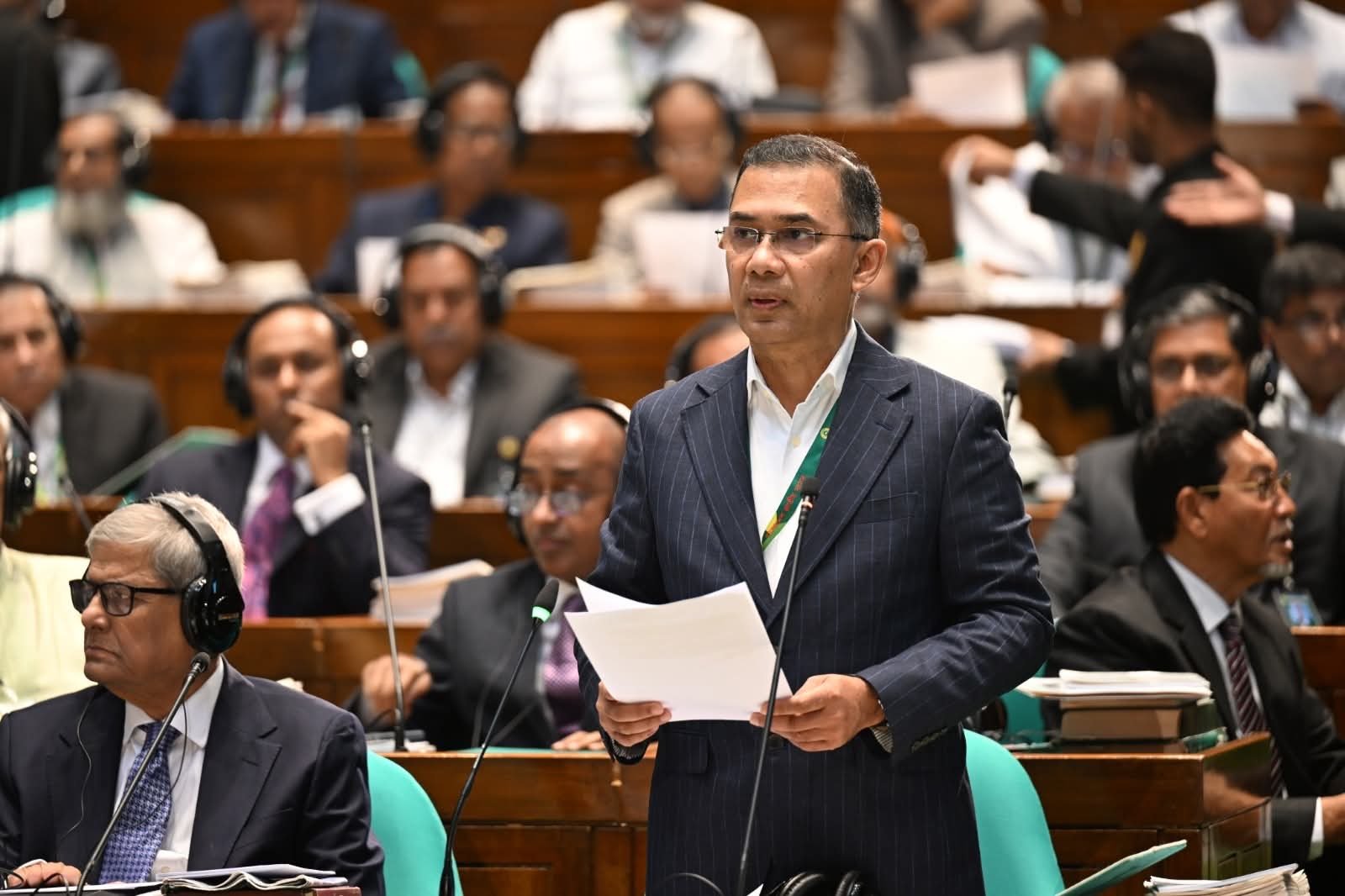
Those strains came from accusations that Pakistan played both sides during the two-decade War on Terror—cozying up to the U.S. while quietly backing the Taliban. But whispers among officials and experts in both countries suggest a fresh defense deal could drop soon. That’s fueling a flurry of high-level talks. Just last week, Trump hosted Pakistan’s Prime Minister Shehbaz Sharif and the influential Army Chief Asim Munir in Washington. It’s a big deal: Munir has jetted to the U.S. three times in four months, even scoring a fancy White House lunch in June—treatment usually saved for world leaders.
This shuttle diplomacy screams urgency. Trump, who slashed military aid to Pakistan in his first term and blasted it for sheltering terrorists, now seems keen to flip the script and re-engage. The hook? Getting Bagram for surveillance ops aimed at China, something Trump has openly touted.

Snagging Bagram won’t be easy, though. The Taliban see it as a painful reminder of foreign meddling and could spark fresh fighting if the U.S. tries a direct grab. Enter Pakistan’s savvy play: By offering up its airspace, bases, and logistics for counter-terrorism missions, Islamabad can smooth the way. It lets the U.S. re-enter Afghanistan without looking like occupiers—instead, it’s pitched as a team-up against threats like the Tehrik-i-Taliban Pakistan (TTP) and ISIS groups hitting Pakistan hard.
Pakistan has struggled to get the Taliban to crack down on the TTP, which has fueled deadly cross-border raids and soured ties with Kabul. Western media is shifting gears too, painting Pakistan as a victim under siege by militants rather than a past enabler of terrorism. It’s a narrative that could rally support for Pakistan as a frontline player in the fight against extremism—much like in the 1980s, when the West hailed it as a hero against the Soviets, pouring in aid while ignoring Zia’s crackdowns at home.
The similarities are uncanny. Back then, Pakistan balanced its new U.S. alliance with its own agenda, even as it built deep ties with China. Today, with the Taliban ruling Afghanistan and China as America’s top rival, the playbook feels familiar. Pakistan’s military, pushing to lock in its power and snag outside funding, looks ready to jump in. The civilian government, leaning on the army’s nod, isn’t pushing back.
For everyday Pakistanis, though, this could spell trouble. The country grapples with economic meltdown, political chaos, and a militant surge. Teaming up with the U.S. might tick off the Taliban, ramp up violence inside Pakistan, and strain the vital China partnership—think billions in trade and projects like the China-Pakistan Economic Corridor at risk.
Trump wants this re-engagement fast, but history warns of the price tag. Last time Pakistan played frontline state, it ended up with a more radicalized society, a politics dominated by the military, and leaders too cozy with outsiders. As the U.S. eyes Bagram and Pakistan hunts for relevance, the big question isn’t if they’ll team up—it’s whether Pakistan can dodge the fallout this time around.
Stay informed on all the latest news, real-time breaking news updates, and follow all the important headlines in world News on Latest NewsX. Follow us on social media Facebook, Twitter(X), Gettr and subscribe our Youtube Channel.