
Social Media’s Big Role in Nepal, Bangladesh, and Sri Lanka Protests
Recent protests in Nepal, Bangladesh, and Sri Lanka have put social media in the spotlight. These platforms act like a powerful megaphone, highlighting deep societal issues and pushing for government accountability. They can be a force for good—or sometimes trouble, as the saying goes.
Gen Z, the young digital natives born between 1997 and 2012, lead much of this charge. "They grew up with the internet and social media, so they really get how these platforms work," says Dr. Sambit Pal, in-charge Director at the International School of Broadcasting and Journalism, MIT Art, Design and Technology University in Pune.
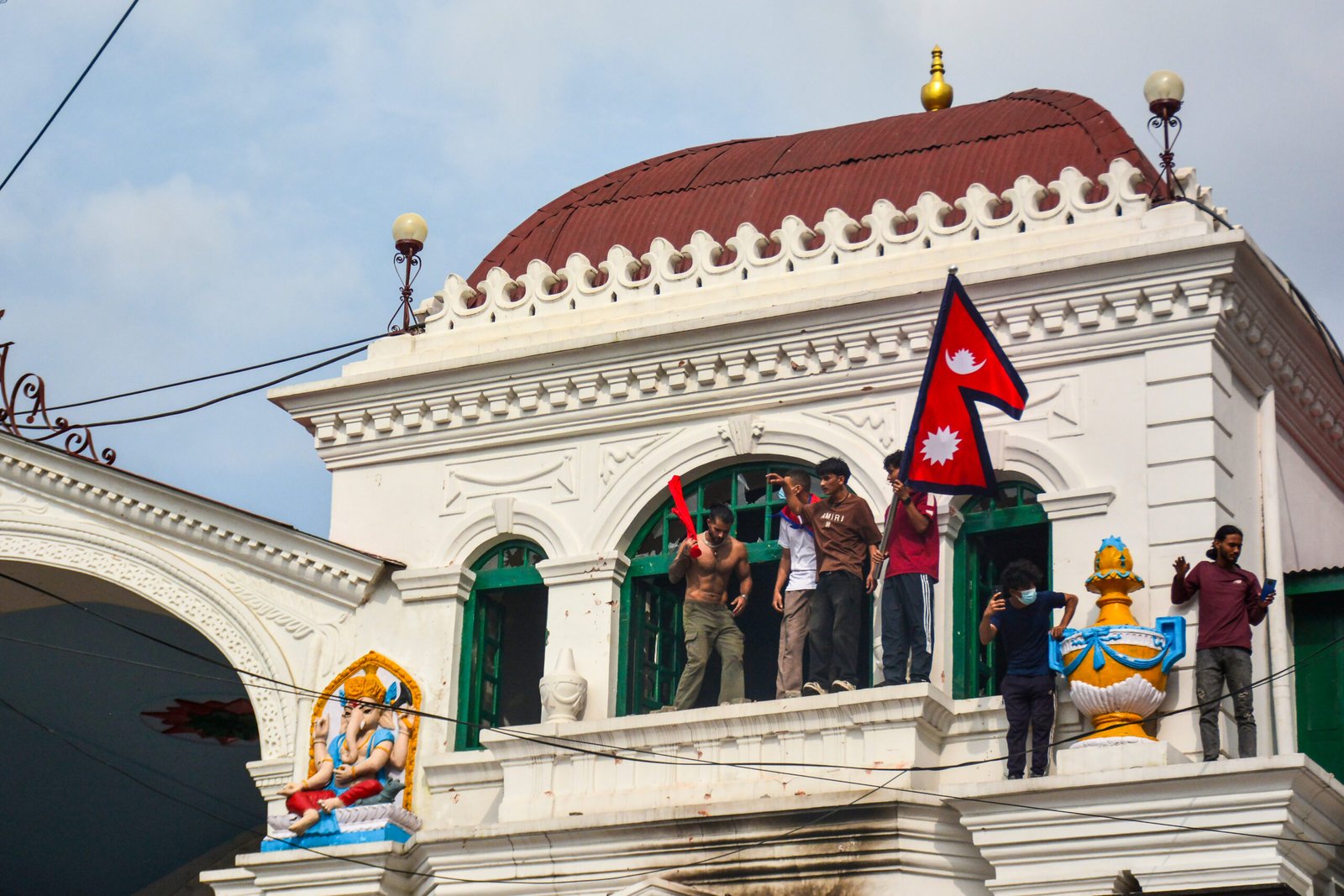
In places like Nepal, youth protesters often call themselves Gen Z. Social media lets them skip traditional news outlets, shape their own stories, and rally people against bad governance. "It helps them mobilize quickly and build collective action," Dr. Pal adds.
Research backs this up. Social media campaigns boost voter turnout, fuel anti-corruption protests, and keep public conversations alive, especially where mainstream media faces limits. From the Arab Spring to South Asia’s recent movements, the internet shines as a cheap, far-reaching tool with no borders in the way.
Joydeep Das Gupta, Founder-Director of Media Skills Lab—an institute focused on media literacy, fact-checking, AI skills, data journalism, and solutions journalism—explains it well. "Protesters use the web to spread messages fast and wide, gaining momentum without big costs."


Not every social media platform works the same. A Forbes Communications Council article points out that each one has its own crowd and ways people engage. To make the most of them, you need to know your audience, study competitors, and understand demographics—like tips from ancient strategist Sun Tzu about knowing your rivals.
Das Gupta notes how the internet’s openness has changed everything. "No more barriers to access. That’s why messages spread like wildfire, and movements grow strong."
Dr. Pal agrees: "People who know social media well create entry points that grab attention, boost shares, and make posts go viral."
Governments often fight back by cracking down. During Sri Lanka’s 2022 protests, authorities declared an emergency, limited social media access, and imposed curfews. Bangladesh did something similar at the time. In Nepal, a ban lifted quickly amid street violence in Kathmandu.
But you can’t just shut down the web forever—especially not on private platforms—without sparking free speech debates. Bans only happen in true emergencies. Still, algorithms control what users see, and experts suggest using laws to tweak them. Ideas include a "statutory building code" for digital platforms to block child abuse, graphic content, or fake news through safety rules.
That said, political and social messages deserve protection. "We shouldn’t tie them down," the experts say. Social media’s power in these protests shows how it’s reshaping activism across South Asia.
Stay informed on all the latest news, real-time breaking news updates, and follow all the important headlines in world News on Latest NewsX. Follow us on social media Facebook, Twitter(X), Gettr and subscribe our Youtube Channel.