India, Singapore to enhance cooperation in AI, quantum and other digital technologies: PM Modi

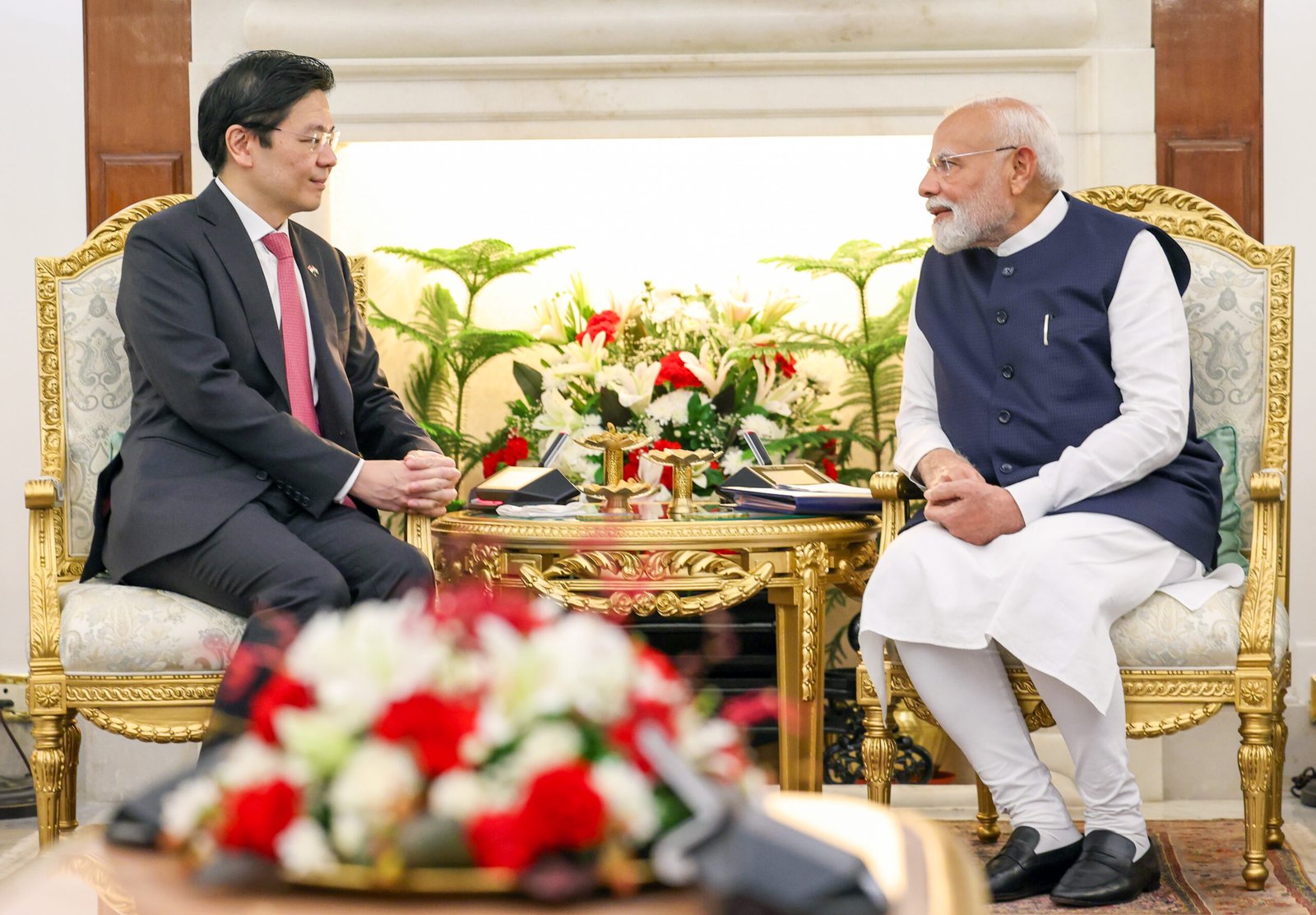
Prime Minister Narendra Modi and Singaporean Prime Minister Lawrence Wong held talks in New Delhi, focusing on strengthening their partnership through technology and trade. Modi highlighted that technology and innovation are the backbone of India-Singapore ties. Both leaders announced plans to boost cooperation in artificial intelligence (AI), quantum computing, and digital technology, aiming to make their collaboration more dynamic and future-ready.
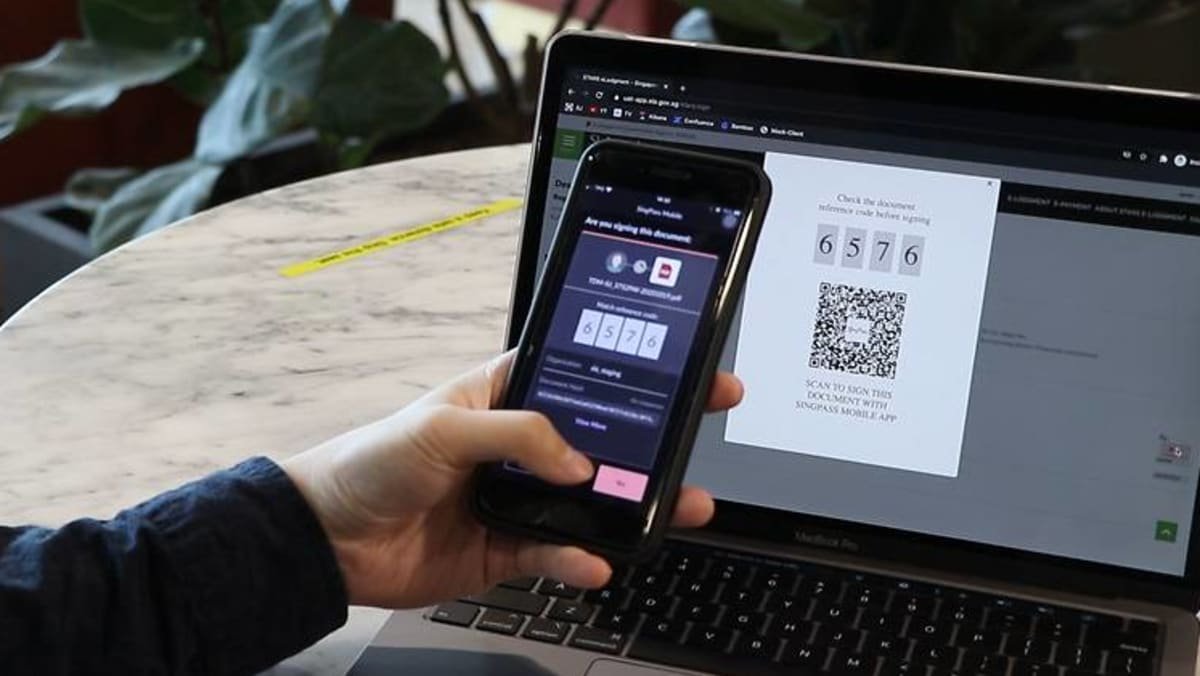
Modi praised digital payment systems like UPI and PayNow, calling them successful examples of digital connectivity. He shared that 13 new Indian banks will now join these platforms, making digital transactions smoother between the two countries. Modi also revealed plans to review the Bilateral Comprehensive Economic Cooperation Agreement and the Free Trade Agreement with ASEAN to speed up trade and economic ties.
During the event, Modi warmly welcomed Wong on his first visit to India as Prime Minister. He noted that this year marks the 60th anniversary of India-Singapore relations, emphasizing the deepening bond between the nations. Modi recalled his visit to Singapore in 2024, which elevated their relationship to a “Comprehensive Strategic Partnership,” adding that cooperation is now stronger than ever.
Singapore is an important partner in India’s Act East policy, and both countries are working closely with ASEAN to promote peace and stability in the Indo-Pacific region. Modi highlighted that Singapore is India’s biggest trade partner in Southeast Asia, with significant investments flowing into India. Defense ties, people-to-people connections, and cultural exchanges are also thriving.
Looking ahead, Modi discussed expanding cooperation into new sectors like advanced manufacturing, sustainable shipping, skills development, nuclear energy, and urban water management. He stressed that India and Singapore’s partnership is rooted in shared values and mutual interests, aiming for peace, progress, and prosperity.

Both leaders agreed to review trade agreements to boost mutual business opportunities. They also talked about new projects, like setting up a national center for skilling in Chennai, to develop specialized workforce in advanced manufacturing. Additionally, Singapore will help establish a Centre of Excellence for Skilling in India, fostering new employment opportunities.
Modi appreciated Singapore’s support in India’s fight against terrorism, especially following recent terrorist attacks. He thanked Wong and the Singapore government for their condolences and their efforts in combating terrorism worldwide.
This visit marks a new chapter in India-Singapore relations, with shared goals of growth, innovation, and security. Both countries are committed to working together for a brighter, more connected future.
Stay informed on all the latest news, real-time breaking news updates, and follow all the important headlines in world News on Latest NewsX. Follow us on social media Facebook, Twitter(X), Gettr and subscribe our Youtube Channel.