
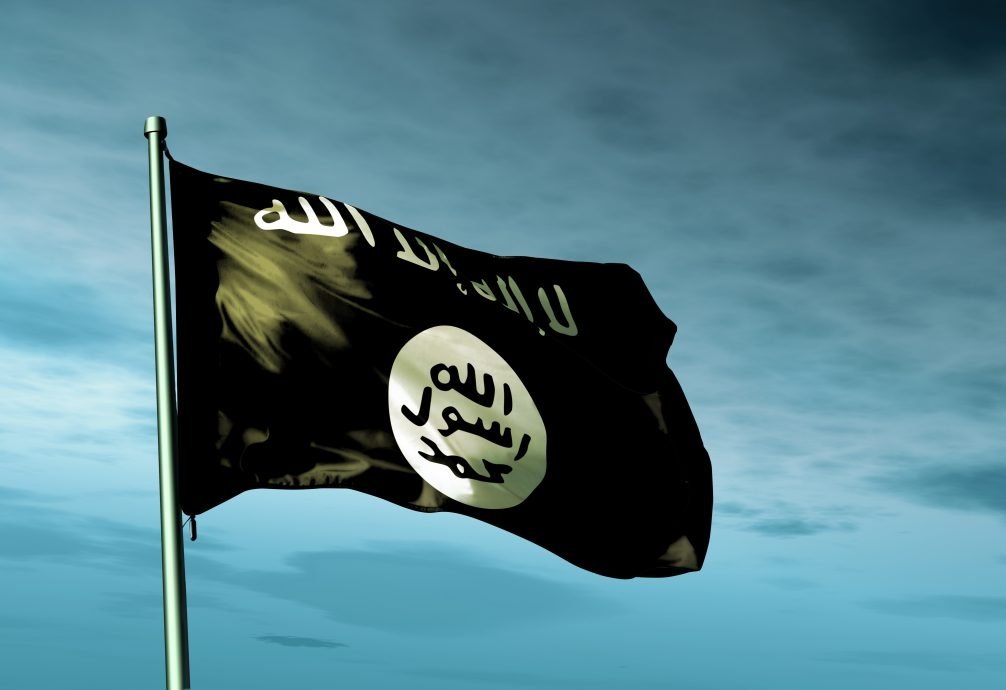
New Delhi, Dec 13 (LatestNewsX) – The Islamic State is reportedly ramping up recruitment in South India, with officials warning that the organization is setting up its largest hub in the region. Authorities say the group has been concentrating its efforts there for some time, as it has found more willing recruits in the south than in other parts of the country.
Security agencies have foiled several plots, but the scale of the threat is bigger than expected. The group was relatively quiet in the south before the Popular Front of India (PFI) was banned, and it is now looking for people who went underground after that crackdown. The PFI’s long‑standing influence in the area has, in fact, helped the ISL seed its ideology, recruiting 21 members from Kerala who later joined the Islamisk State Khorasan Province in Afghanistan.
The National Investigating Agency (NIA) is monitoring a number of madrasas in Kerala and Tamil Nadu that have become recruiting fronts for the Islamic State. Many of these institutions present themselves as Arabic schools, but the NIA has discovered that they function as propaganda and radicalisation centers. An NIA official explained that the agency’s goal is to dismantle the IS-linked networks operating in the region.
The extent of the IS’s recruitment drive became clear when the agency filed a charge sheet against Jameel Basha, a student of Madras Arabic College. The investigation revealed that Mohammed Hussain, Irshath, Ahmed Ali, Aboo Hanifa, Jawahar Sadiq, Sheik Dawood, and Raja Mohammed were also part of the same network. The Islamic State’s influence has taken root in South India, and the organization is now looking to boost that presence.
An Intelligence Bureau officer said the current objective of the group is to spread its ideology as widely as possible. The IS is attracting followers and setting up classes under the guise of free Arabic lessons, a tactic that entices people who are unaware of the underlying agenda. Once students enrol, they receive genuine Arabic instruction in person, but after a few months the classes switch to online format, where radicalisation takes place. Students are connected to clerics from India and abroad through Zoom, WhatsApp, and Telegram, and the teachers promulgate the radical Islamic State agenda.


Some students stay, while others drop out, and those who remain eventually become indoctrinated and recruited into the organization. Live online sessions are supplemented by pre‑recorded videos, according to officials. After training, the recruits are told to seek out new members, telling their friends about the importance of these classes.
This alarming trend has been unfolding in South India, with the focus currently on building numbers rather than executing attacks. An official warned that, once the recruitment base is large enough, members could carry out lone‑wolf attacks, and the situation could quickly deteriorate.
Experts caution that a strategy focused on brainwashing instead of direct training is particularly dangerous, as it can shift the mindset of many people in society. The recruits, once radicalised, may insist on the enforcement of Sharia law, dictate how women should dress, and dictate what media people should consume and avoid. Security forces have to act with urgency to dismantle the network, which has all the hallmarks of a wildfire‑like spread.
Stay informed on all the latest news, real-time breaking news updates, and follow all the important headlines in world News on Latest NewsX. Follow us on social media Facebook, Twitter(X), Gettr and subscribe our Youtube Channel.