South Korea: Supreme Court chief justice vows to seek ‘right path’ to judicial reform

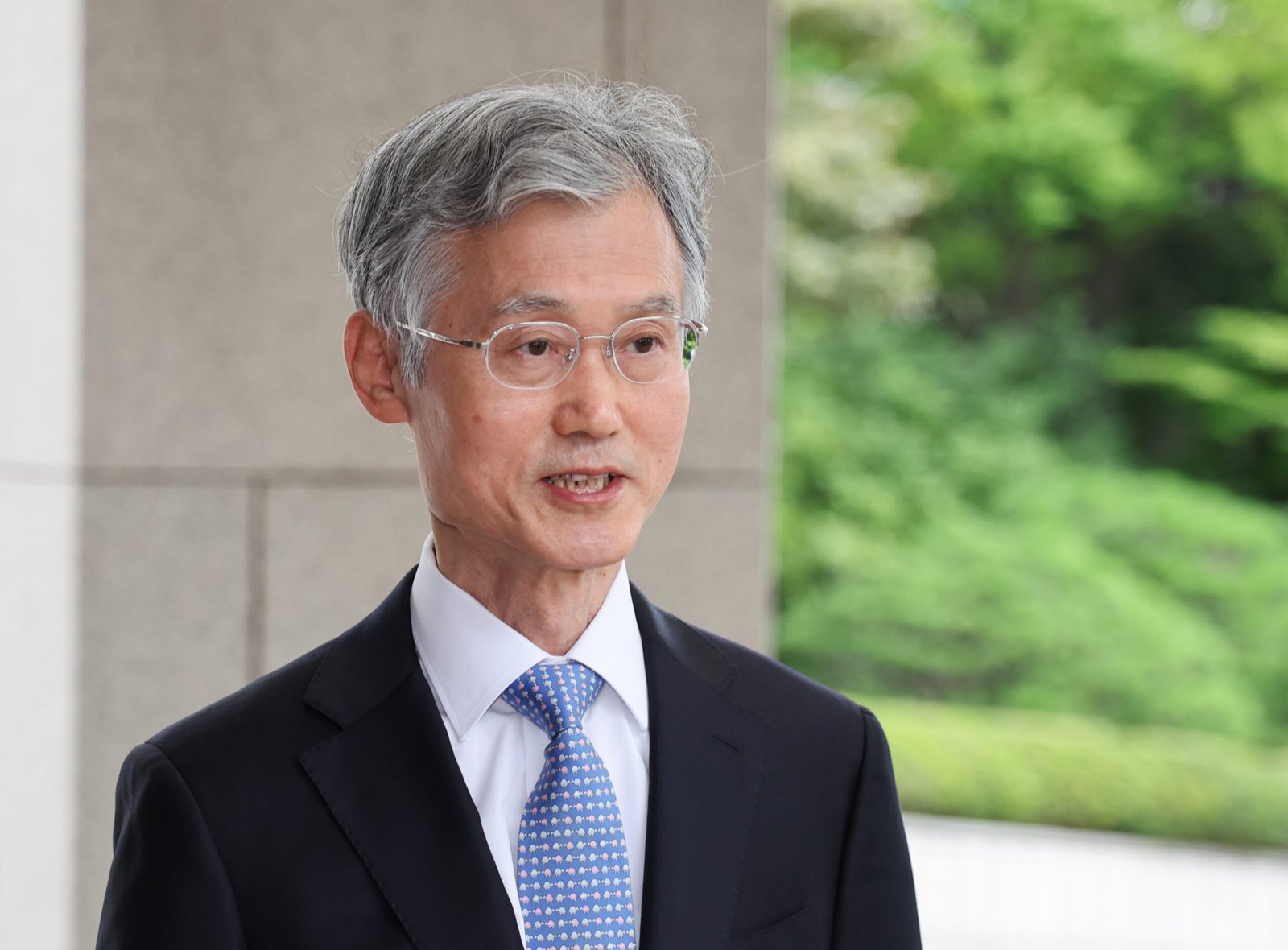
South Korea’s top judge, Chief Justice Cho Hee-dae, promised on Friday to push for meaningful judicial reform through open talks with lawmakers. This comes as the ruling Democratic Party (DP) gears up to pass major changes to the country’s court system.
Speaking at a ceremony for Korean Court’s Day, Cho shared his first public thoughts on the DP’s bold plans. These include more than doubling the number of Supreme Court justices from 14 to 30, revamping how judges get recommended and evaluated, making lower court rulings more accessible to the public, and adding a pre-check system for search and seizure warrants. The party wants to approve these judicial reform bills before the extended Chuseok holiday starts on October 3.
“I will share the judiciary’s views fully with the National Assembly,” Cho said. “Through dialogue and persuasion, we’ll find the right path that serves the people.” He highlighted recent chats with lawmakers, government officials, academics, and media to boost judicial justice. Drawing from history, Cho stressed that the courts must prioritize constitutional principles like the separation of powers and judicial independence.
The Chief Justice made it clear: “For the judiciary to do its job properly, trial independence must come first.” His comments arrived just before a nationwide meeting of court heads to discuss how to respond to the DP’s proposals. On his way to the event, Cho told reporters he wants to hear from judges directly. “My goal is plenty of public debate on the judiciary’s role, our current staffing realities, and what’s best for everyday people,” he added.
At the meeting, court leaders echoed the need for the judiciary’s strong involvement in these National Assembly discussions. In a press release, they said judicial reform is a key duty to the public and society, but it demands thorough talks, careful review, and open debate. They also warned that protecting judicial independence is crucial to safeguard basic rights and the rule of law.



The DP’s reforms also aim to set up a special court for cases tied to former President Yoon Suk Yeol’s short-lived martial law declaration in December. On Thursday, President Lee Jae Myung pushed back against the Supreme Court’s view that this could be unconstitutional. Cho responded that the court is reviewing the idea in detail.
With these moves, South Korea’s judicial reform debate is heating up, balancing efficiency with the core need for an independent judiciary.
Stay informed on all the latest news, real-time breaking news updates, and follow all the important headlines in world News on Latest NewsX. Follow us on social media Facebook, Twitter(X), Gettr and subscribe our Youtube Channel.