
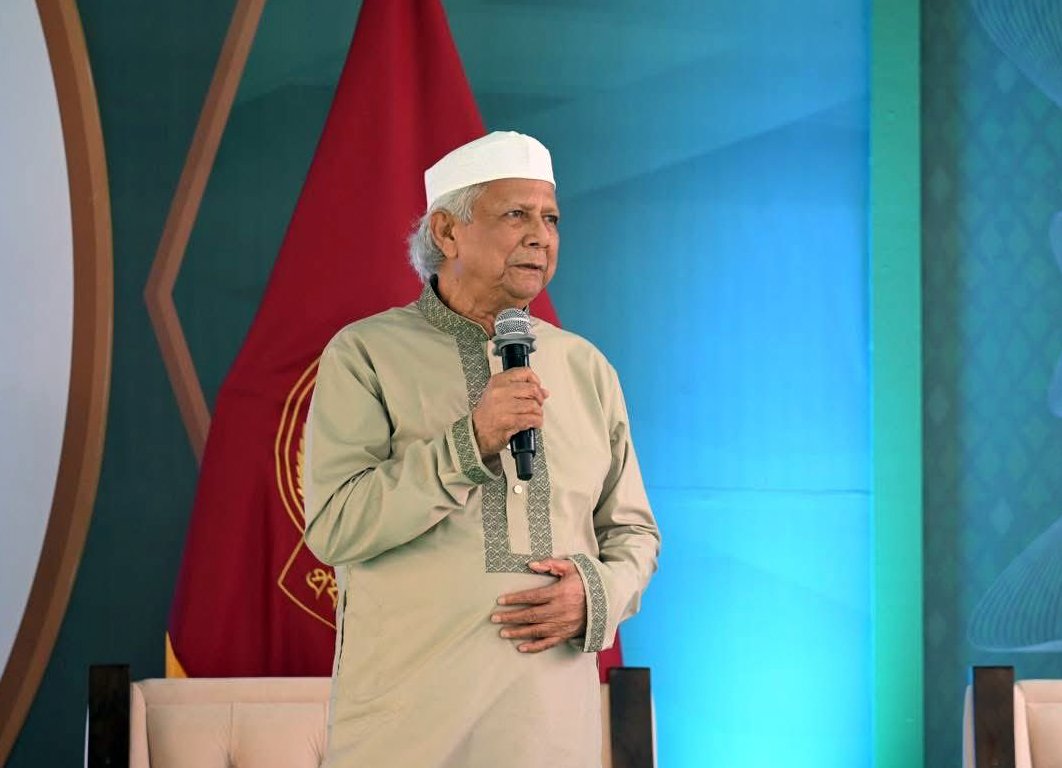
Bangladesh, a nation where about 90 % of the people are Muslim, has recently seen a sharp rise in Islamist activity. The country’s politics, however, have long been shaped more by nationalism, socialism, secularism and democracy than by religion. For Bangladesh, faith is often a cultural symbol rather than a governing force.
### Different strands of Islamism
Bangladeshi Islamists come from several theological schools—Hanafi, Deobandi, Barelvi, Salafi and Sufi. The most politically active groups are Deobandi‑aligned. After independence, Islamists were pushed to the margins. Military rule helped them regroup, but when democracy returned in 1990, some entered formal politics while others kept mobilising through madrasahs and grassroots networks.
### Militant offshoots
A handful of Islamist factions took a harder line. They carried out terror attacks and were linked to international networks such as al‑Qaeda and the Taliban. Groups like Harkat‑ul‑Jihad‑Al‑Islami Bangladesh (HuJIB) and Jamaat‑ul‑Mujahideen Bangladesh (JMB) have roots that stretch back to the Afghan war against the Soviet army. They sought to transplant the Taliban’s ideology back home and have repeatedly targeted NGOs, secular cultural events and public spaces.


### The Taliban‑Bangladesh conversation
On Afghanistan’s 2021 takeover, Bangladesh stayed silent. It did not give the Taliban any diplomatic recognition and monitored Islamist celebrations on social media. In this context, seven Bangladeshi scholars—led by Khelafat Majlis chief Mamunul Haque and Hefazat‑e‑Islam leaders such as Abdul Hamid and Abdul Awal—traveled to Kabul at the Taliban’s invitation.
The trip was billed as a study mission on human rights and women’s rights in a country that the West criticises. But the request also carried heavy political undertones. The scholars aim to deepen ties that could lead to future exchanges in trade, education and health. Their visit signals a move toward normalising relations with the Taliban‑run government, something the current Bangladeshi administration has not officially pursued.
### Khelafat and Hefazat on the ground
Both Khelafat Majlis and Hefazat‑e‑Islam operate from the same Deobandi tradition and reject Western influences. Khelafat, founded in 1989, is a political party that seeks to govern under a framework of Quran and Sunnah. It has largely stayed out of elections, but its protests have focused on anti‑secular and blasphemy issues.
Hefazat is a mass movement of more than 25,000 Qawmi madrasas. It was created in 2010 in response to a government draft that increased women’s inheritance rights. Its most famous protest in 2013, the “Shapla Chattar siege,” demanded strict blasphemy laws, gender segregation, the exclusion of Ahmadiyyas from the Muslim community, and a broader push to shut down what it called un‑Islamic activity.
Both groups have used street rallies to voice demands: the 2017 anti‑statue protest, the 2021 anti‑Modi demonstration that turned deadly, and ongoing clashes that have taken a toll on secular freedoms. The Afghan trip has allowed their leaders to keep the momentum going at home while working on deeper political ties abroad.
### A wider warning
Bangladesh’s Islamist elements, though not a single terrorist organization, represent an ideological challenge to the nation’s secular values. Their support for the Taliban and possible links to Pakistan raise concerns that the growing radicalization may spill over into the wider South Asian region.
As Bangladesh looks to the future, observers from the Global South watch closely. The informal meeting in Kabul may be the first step toward formal relations, but it could also pave the way for more Islamist influence in the country’s politics, culture and security landscape.
Source: ianslive
Stay informed on all the latest news, real-time breaking news updates, and follow all the important headlines in world News on Latest NewsX. Follow us on social media Facebook, Twitter(X), Gettr and subscribe our Youtube Channel.