

New Delhi, Nov 9 – President Donald Trump announced a big shift in U.S. foreign policy that could change how the world works with America.
During a May visit to Riyadh, Saudi Arabia, Trump told Saudi leaders that the U.S. will no longer try to “build regimes” in other countries. He said that peace and progress come from respecting each nation’s traditions, not forcing American ways on them. Instead, he wants the U.S. to focus on economic ties and partners, and to use force only when really needed.
The Middle East, he said, will be about “commerce, not chaos.” Trump criticized past U.S. wars in Afghanistan and Iraq as costly and ineffective, and warned that huge spending on “liberal lobbies” often wastes taxpayers’ money.
At the end of the Saudi trip, Saudi Arabia announced a $600 billion investment in the U.S., showing the new win‑win direction. Trump’s friend, former INSB director Tulsi Gabbard, echoed the speech at a Bahrain security conference, saying past interventions made more enemies than friends.
The new strategy is simple: let local actors drive stability, keep U.S. business interests strong, and work on clean trade. Trump says this planning gives the U.S. a chance to broker a ceasefire in the Israel‑Hamas conflict and calm tensions with Iran.
### U.S.–China and U.S.–Russia
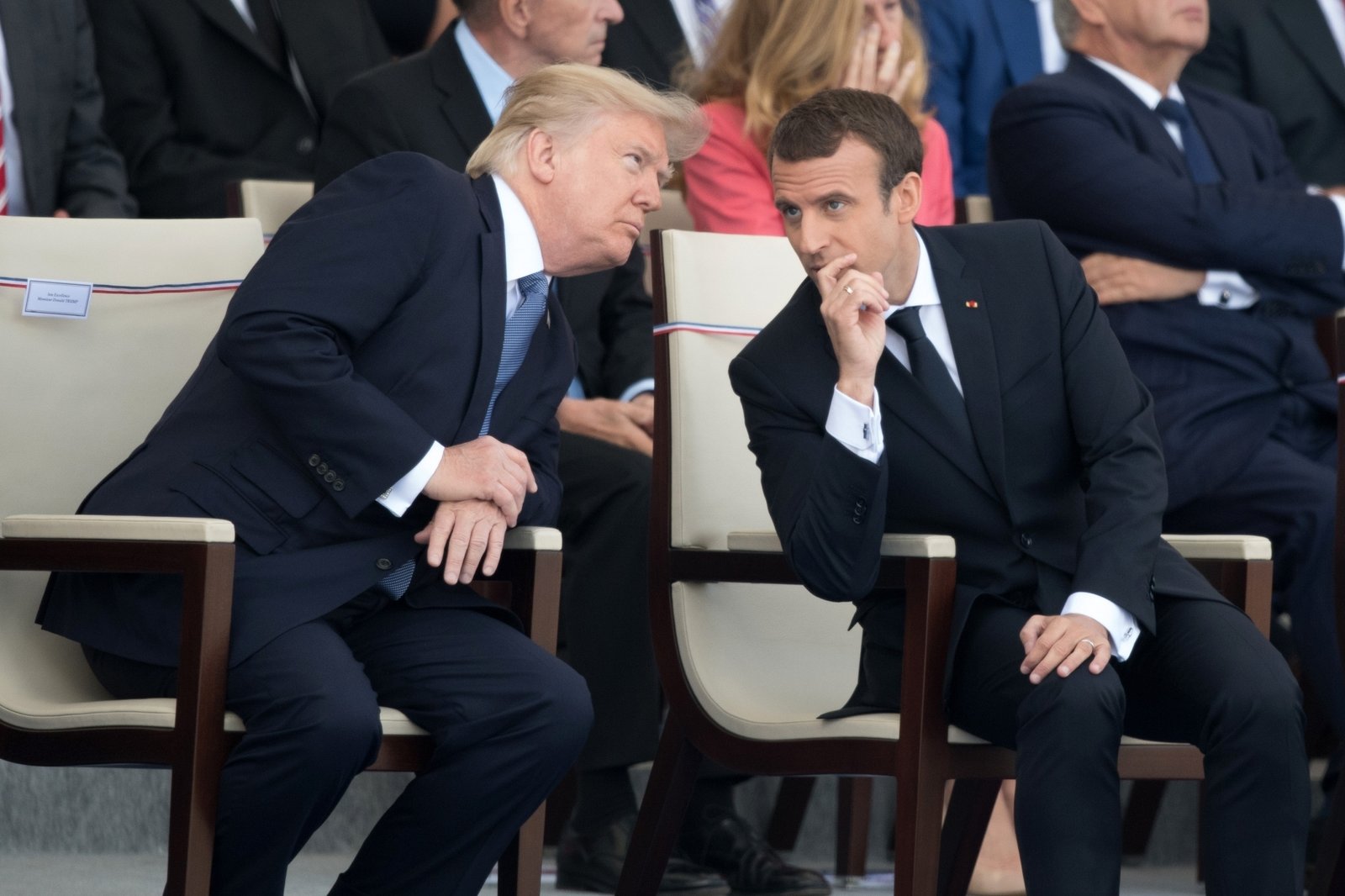
Trump met China’s Xi Jinping in South Korea on Oct 30. The meeting produced a big trade agreement. China will export rare‑earth minerals and open its soybean market to U.S. farmers, while the U.S. lowered tariffs on Chinese goods from 47 % to 10 %. China also lifted limits on U.S. semiconductor firms. Both leaders said the two countries should be “partners and friends.”
The U.S. and Russia still keep the START nuclear treaty in place, and Trump hinted he could resume nuclear tests if Russia breaks the deal. These moves signal a preference for economic competition over military rivalry, but Trump’s comments about China testing weapons in Pakistan alarmed India.
### India’s Position
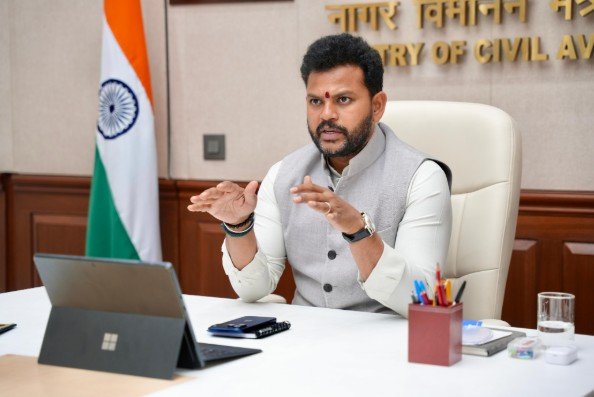
India watches closely as the U.S. shifts away from heavy intervention. The country has deepened ties through BRICS, Quad, and the Shanghai Cooperation Organization (SCO) while keeping its own eyes on U.S. policy.
Defense Minister Rajnath Singh stressed at an ASEAN meeting that the Indo‑Pacific ocean must stay free of coercion and governed by rules. This is a clear check on China’s plans to build military bases in the region.
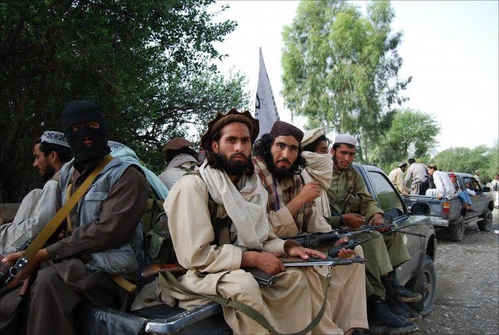
India is also wary of the rising tension in the Middle East, especially the Iran‑Israel conflict, which could spark new faith‑based chaos that might reach its borders. The country keeps a close eye on Pakistan, given its links to the Taliban and its historical attempts to influence Afghanistan for strategic depth.
India has tried to balance this by engaging with the new Taliban government in Kabul (recognizing the foreign minister) and staying engaged with Pakistan’s military and political circles.
### Bottom Line
Trump’s new “America First” rhetoric focuses on:
* Cutting spending on overseas interventions
* Strengthening U.S. trade deals with China and other allies
* Reducing diversity, equity, and inclusion (DEI) projects at home
* Addressing migration to protect U.S. interests
As the U.S., China, and Russia re‑shape their relationships, India must adapt proactively. By building strong ties in BRICS and Quad, strengthening the Indo‑Pacific, and maintaining dialogue with both Pakistan and the Taliban, India hopes to keep its security and trade interests safe.
Source: ianslive
Stay informed on all the latest news, real-time breaking news updates, and follow all the important headlines in world News on Latest NewsX. Follow us on social media Facebook, Twitter(X), Gettr and subscribe our Youtube Channel.