Trump backs H-1B visas again despite Republican calls to end programme


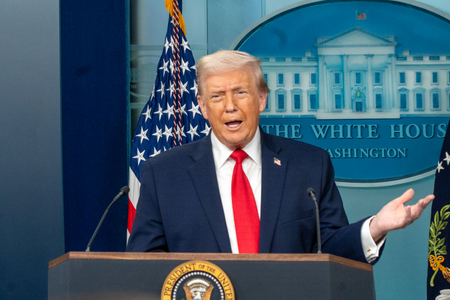
Washington, Nov 18 – President Donald Trump again defended the H‑1B visa program, arguing that overseas workers are essential to teach Americans how to build chips and keep the U.S. competitive. “If you’re going to make chips, we don’t make them much here anymore,” he said at a White House briefing. “In a year we’ll capture a large share of the chip market, but we have to train our people. We used to do that, and we lost the business to Taiwan.”
Trump echoed the sentiment last week in a Fox News interview with Laura Ingraham. “You have to bring in talent,” he said when asked if the administration would deprioritize H‑1B visas. When Ingraham replied, “We have plenty of talent,” Trump shot back, “No, you don’t. Certain skills are missing, and those workers need training. You can’t just pull people from an unemployment line and put them in a factory to make missiles.”
His comments sparked a lively debate among Republicans. Some leaders, including Congresswoman Marjorie Taylor Greene, have urged scrapping the visa program altogether. “Ending H‑1B visas will help the housing market,” Greene said on X. “More jobs for Americans, more homes for Americans, no competition from legally imported labor and no big asset‑management firms.” House Majority Leader Andy Ogles also posted on X, calling a ban “a no‑brainer.”
White House officials clarified the administration’s stance on Friday. A spokesperson said the $100,000 fee for new H‑1B petitions is a decisive step to stop abuses of the system and protect American workers. “We’re putting a high penalty on companies that misuse the program,” the spokesperson said. “This ensures we only bring in the highest‑skilled foreign workers for specialty occupations and not low‑wage workers who would displace Americans.”
The administration announced “Project Firewall,” a new enforcement initiative from the Department of Labor to investigate companies that violate H‑1B rules. “The goal is accountability,” the spokesperson added. “We must keep the visa system clean.”


The debate has drawn legal challenges. The U.S. Chamber of Commerce, the country’s largest business group, filed a lawsuit, and lawmakers have sued the policy in court. In October, five U.S. members of Congress urged Trump to reconsider a September 19th proclamation that could hit the India‑U.S. relationship. In 2024, India-born workers received more than 70 % of all approved H‑1B visas, a fact that worries some lawmakers about the program’s impact on U.S.–India ties.
The U.S. continues to wrestle with how best to balance bringing in skilled foreign talent while safeguarding American jobs. Trump’s remarks and the administration’s new measures signal a hard‑line approach that will likely keep the H‑1B program under close scrutiny for months to come.
Stay informed on all the latest news, real-time breaking news updates, and follow all the important headlines in world News on Latest NewsX. Follow us on social media Facebook, Twitter(X), Gettr and subscribe our Youtube Channel.