
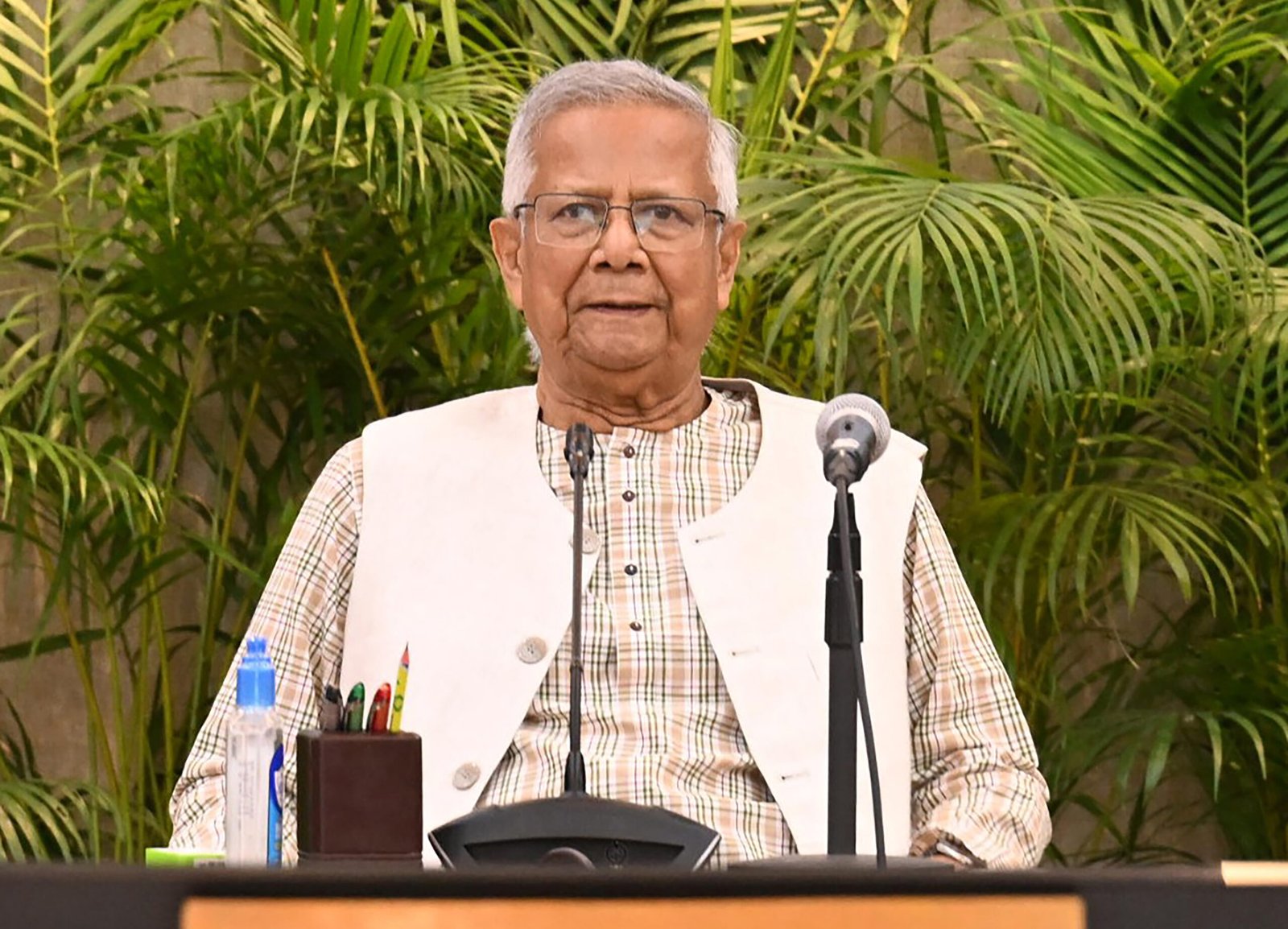
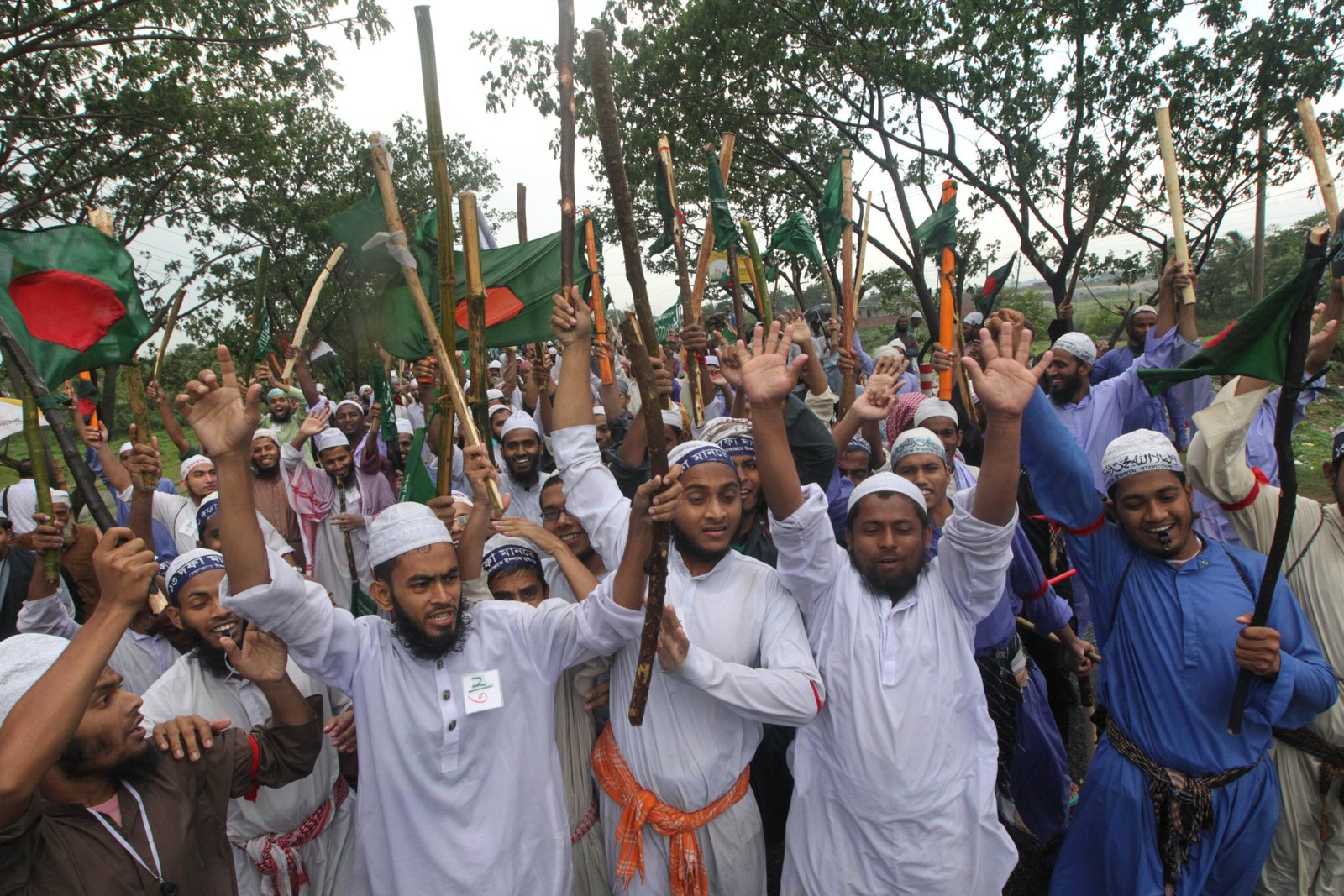
Bangladesh is facing a serious crisis as law and order crumbles under the interim government led by Chief Advisor Muhammad Yunus. Just before Yunus heads to the United Nations General Assembly in New York, a new report paints a grim picture of daily life turning into a nightmare for millions. Mob rule has taken over, especially after the fall of the Awami League government, with extremists and criminals gaining ground in the absence of strong security forces.
The Eurasia Review report points to over 450 attacks on police stations across Bangladesh. What started as supposed celebrations quickly turned violent, with thousands of pro-Yunus activists torching hundreds of these stations. During the chaos, jail breaks happened too—more than 2,000 prisoners escaped, though some were later caught. Critics say the real number of freed militants is even higher, fueling fears of rising terrorism in Bangladesh.
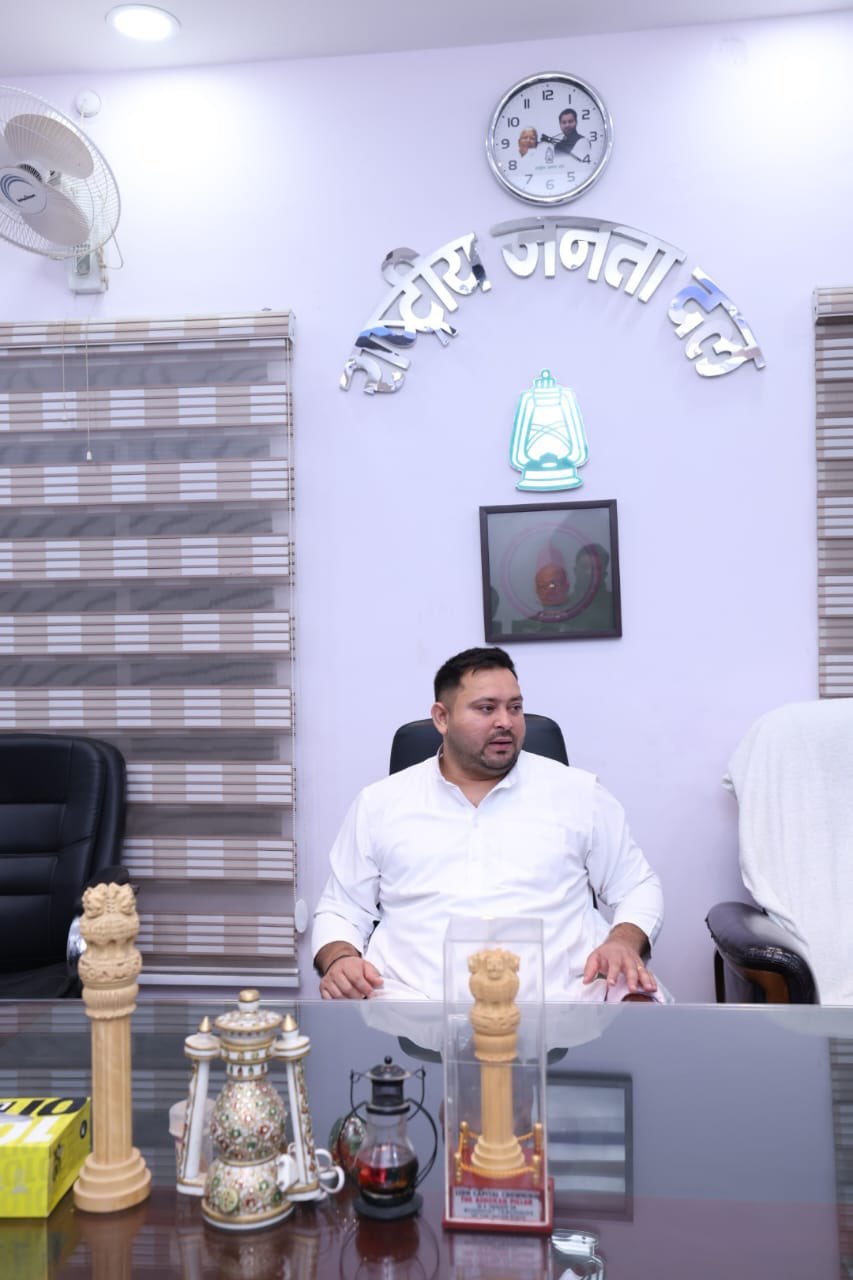
Yunus’s Home Advisor has drawn sharp criticism for cozying up to known terror backers. These figures, who once abused state power to boost extremist groups, are now being hailed as role models. Militant leaders tied to Al Qaeda-linked outfits—responsible for attacks on liberals—walked free from prison and were greeted with garlands. Even global terror groups like Hizb ut-Tahrir are openly pushing for war against Westerners.
Political analyst Anjuman A Islam notes that while Yunus’s fans brushed off warnings, experts like Jeffrey D. Sachs saw militancy’s rise as inevitable. The new regime rolled out policies that empowered Islamists, militants, and criminals—groups that stayed on the fringes during Sheikh Hasina’s strict rule. Pro-Yunus Islamists even traveled to Afghanistan to meet Taliban officials, calling it a “learning experience.”
This turmoil hits hard, especially minorities—who make up about 10% of Bangladesh’s population—and women, who form half the country. Rights groups have documented over 2,500 cases of violence, including killings, looting, and rapes against Hindus, Christians, Sufis, Ahmadiyyas, and Buddhists. In the past two weeks alone, more than 100 Sufi shrines—symbols of tolerant Islam in Bengal—were burned and looted. Hardliners dug up and torched clerics’ bodies on streets, while blasphemy accusations spark more fear. Ahmadiyyas face threats from extremists demanding they’re labeled non-Muslims.
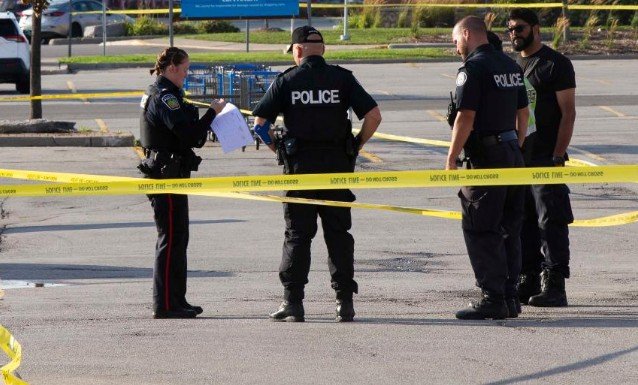
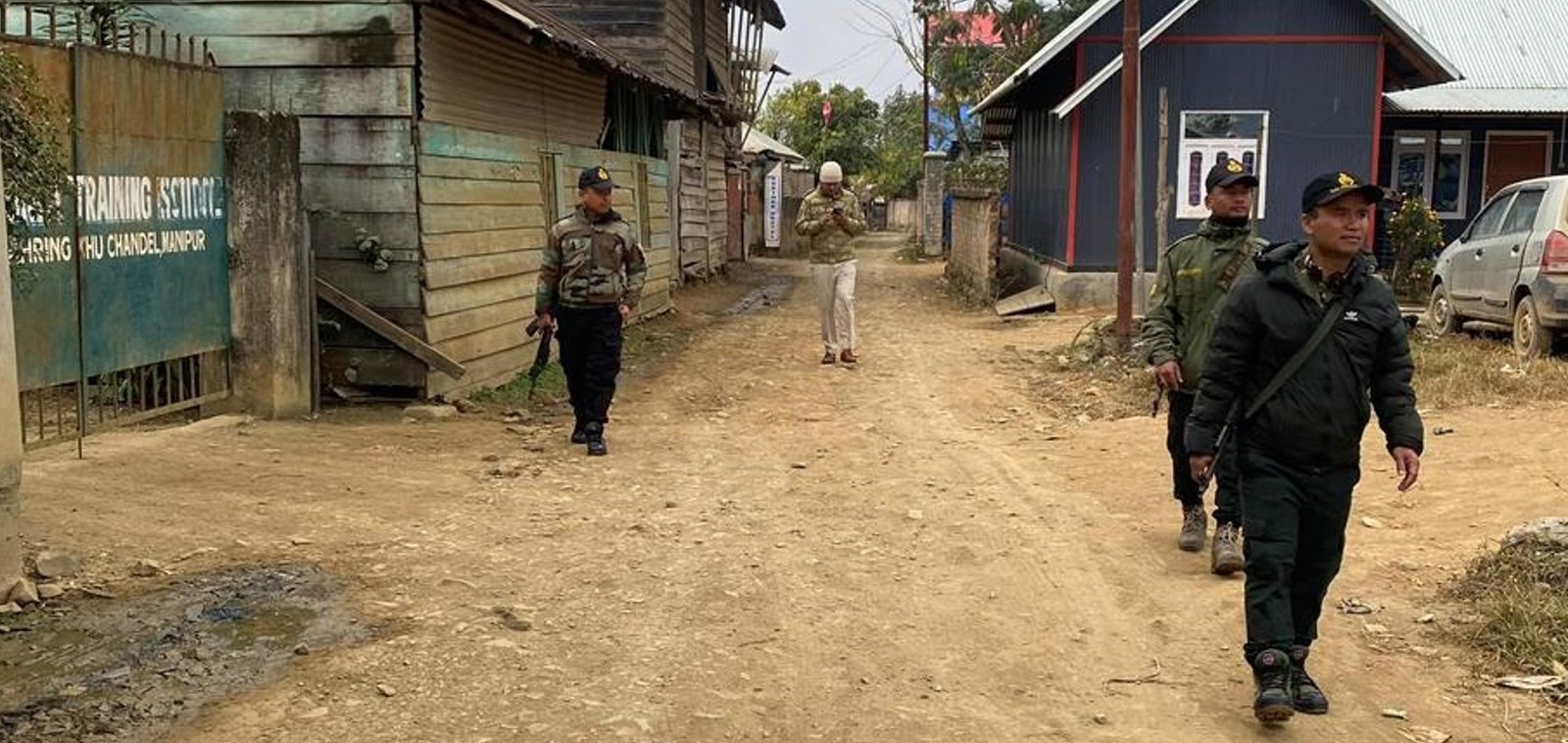
Weeks before Yunus’s UN speech, Canada issued a travel advisory for its citizens in Bangladesh. Officials urged extra caution due to risks of militant attacks and unrest.
As new judges took over Bangladesh’s courts, around 340 prisoners—many accused of militancy or on death row—got bail and walked out. The report highlights a shocking moment on September 14: Yunus’s Home Advisor referred to former Home Minister Lutfozzaman Babar—who built a network of terrorists and extremists—as “Sir” during a ministry visit.
Minorities feel abandoned. “We’ve been part of Bangladesh’s cultural fabric for decades,” they say, “but now we face violence, threats, and forced evictions.” Instead of addressing these issues, the government calls the reports “false and exaggerated,” letting attackers enjoy impunity. Islam warns that this rise of anti-democratic groups is wrecking lives and deepening divisions in the South Asian nation.
Stay informed on all the latest news, real-time breaking news updates, and follow all the important headlines in world News on Latest NewsX. Follow us on social media Facebook, Twitter(X), Gettr and subscribe our Youtube Channel.