

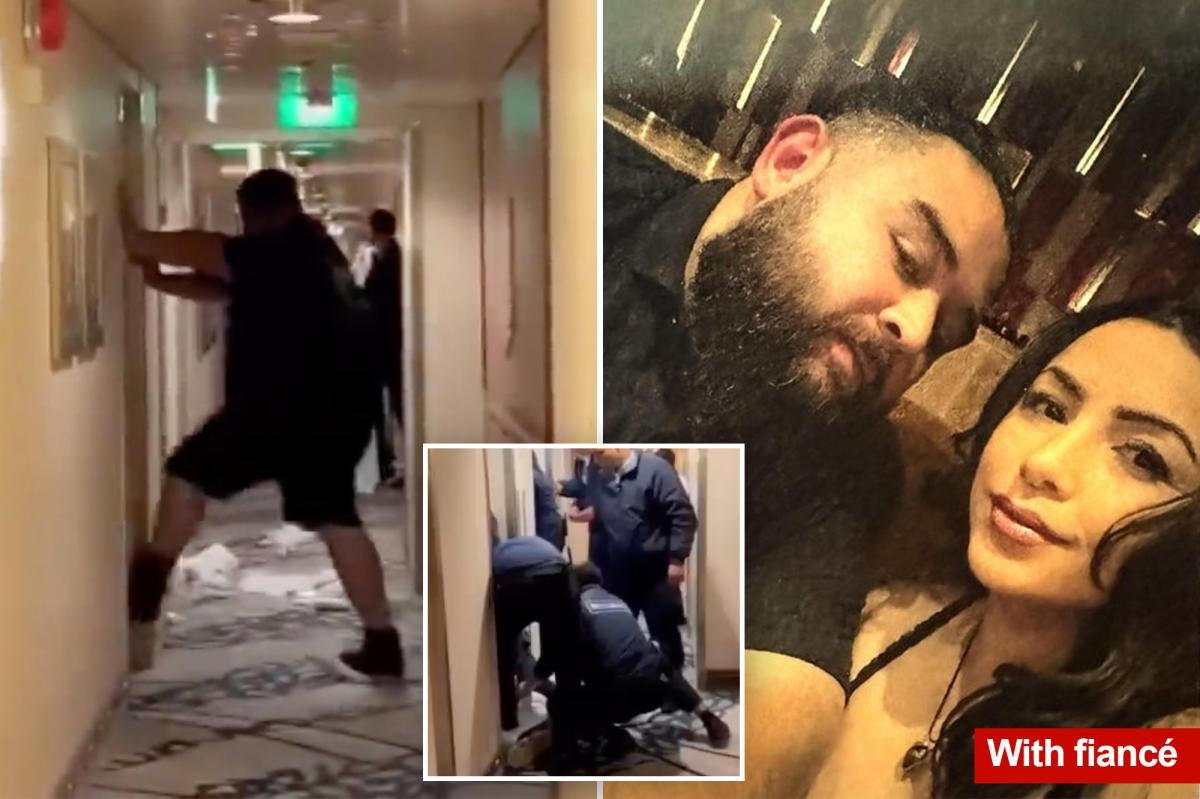
Royal Caribbean cruise staff are accused by the family’s lawyer of putting a deceased passenger’s body in a refrigerated compartment and moving on without the incident, the suit claims.
Michael Virgil, a 35‑year‑old father from California, reportedly received 33 drinks while on a three‑day cruise from Los Angeles to Ensenada in December 2024, according to a wrongful‑death complaint filed by his fiancée.
The autopsy, provided to the Daily Mail, shows Virgil’s blood alcohol concentration at 0.182 to 0.186 percent—roughly twice the legal limit for driving. He was detained by ship security after a drunken altercation and died in custody.
Connie Aguilar, who was traveling with Virgil and their 7‑year‑old autistic son, says the crew later gave him a sedative injection after he went on a rampage. She asked the company to bring the ship back to Long Beach, but the cruise line allegedly refused, her attorney said.
Attorney Kevin Haynes told the Mail that the crew “put Michael in a refrigerator and continued the cruise for multiple days.”
The lawsuit states that Virgil’s belligerence began after crew members allegedly served him nearly thirty drinks under the ship’s unlimited drinks promotion—though the exact number consumed is unknown. He then left the bar heavily intoxicated, was unable to locate his cabin, and reportedly threatened and attacked crew and passengers.
According to the suit, crew members tackled Virgil, applied pressure to his body, injected him with the sedative Haloperidol, and sprayed him with pepper spray. The Los Angeles County Medical Examiner’s report says he was held for three minutes before being cuffed and taken to the medical center while still breathing.
Officials noted that Virgil’s blood alcohol level was “not lethal on its own,” but that alcohol can depress respiration, impair coordination and “diminish the individual’s ability to respond to distress during restraint.”
Virgil’s family claims that four or five security officers applied full body weight to him during the incident. He died of “significant hypoxia and impaired ventilation, respiratory failure, cardiovascular instability and ultimately cardiopulmonary arrest,” the lawsuit alleges.
In the lawsuit, Haynes described the death as “mechanical asphyxiation” caused by the restraint, a comparison he drew to the killing of George Floyd, saying, “Everyone remembers that very tragic story with George Floyd, and this is similar in the sense that they suppressed someone against their will, restrained him and caused him to stop being able to breathe.”
Stay informed on all the latest news, real-time breaking news updates, and follow all the important headlines in world News on Latest NewsX. Follow us on social media Facebook, Twitter(X), Gettr and subscribe our Youtube Channel.