

Delhi’s Heavy Rains Spark Rise in Dengue, Flu, and Throat Infections
Heavy rains in Delhi have brought more than just flooded streets—they’re fueling a surge in health issues like dengue, flu, and throat infections. Health experts warn that the city’s waterlogging, high humidity, and shifting temperatures are making things worse, leading to a spike in seasonal diseases.
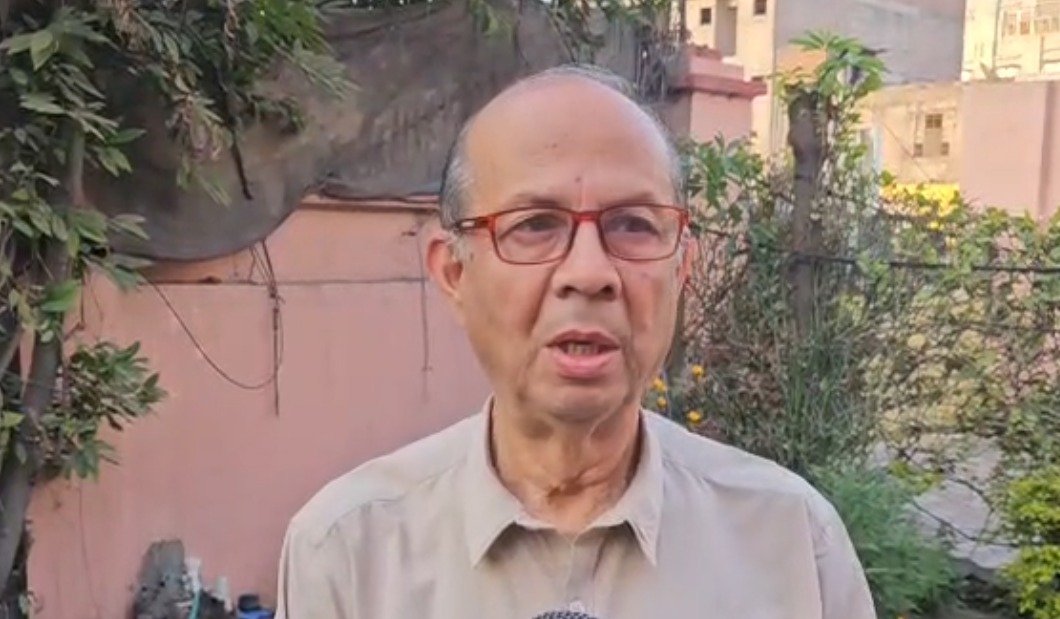
Dr. Harshal R Salve, Additional Professor at AIIMS New Delhi’s Centre for Community Medicine, explains that flu (influenza) and vector-borne diseases like dengue are spreading fast this season. "Most cases are mild and resolve on their own without needing medicines or hospital stays," he tells . But staying alert is key, especially with mosquito breeding in stagnant water triggering dengue, malaria, and chikungunya.
Dr. Rishikesh Desai, an internal medicine specialist from a top Delhi hospital, shares that they’ve seen a clear uptick in dengue cases over recent weeks. Common dengue symptoms include high fever, joint and body pains, rashes, and sometimes bleeding. "These rains create perfect conditions for mosquitoes to multiply," he adds.
The latest data from the Municipal Corporation of Delhi backs this up. In 2025 so far, the city has reported 499 dengue cases, 235 malaria cases, and 37 chikungunya cases. That’s higher than last year’s numbers for the same period: 481 dengue, 210 malaria, and 29 chikungunya. Waterlogging from relentless downpours is a big culprit, experts say.
High humidity isn’t just making the air sticky—it’s also causing throat infections and respiratory problems. Patients often show up with runny noses, congested throats, fever, and discomfort. Other frequent complaints during this rainy season include fever, stomach pain, loose motions, vomiting, and dehydration, according to the doctors.


Dr. Desai points out how the combo of heavy rainfall, humidity, and temperature swings opens the door to water-borne diseases, vector-borne illnesses like dengue and malaria, and airborne issues like flu. "Throat infections are popping up more because of the damp air," he notes.
So, how can you protect yourself from dengue, flu, and these monsoon-related health risks? Dr. Salve recommends simple steps for flu prevention: Practice good cough hygiene, wear a surgical mask to stop transmission, wash hands regularly, and stay hydrated. If symptoms hit, see a doctor right away—never pop antibiotics without advice.
To fight vector-borne diseases like dengue, clear out stagnant water around your home to stop mosquito breeding. Keep your surroundings clean, use mosquito repellents during the day, and opt for full-sleeved clothes. These easy habits can go a long way in beating Delhi’s rainy season woes. Stay safe, Delhi!