SC to hear bail pleas of Sharjeel Imam, Umar Khalid, and others in 2020 Delhi Riots case today

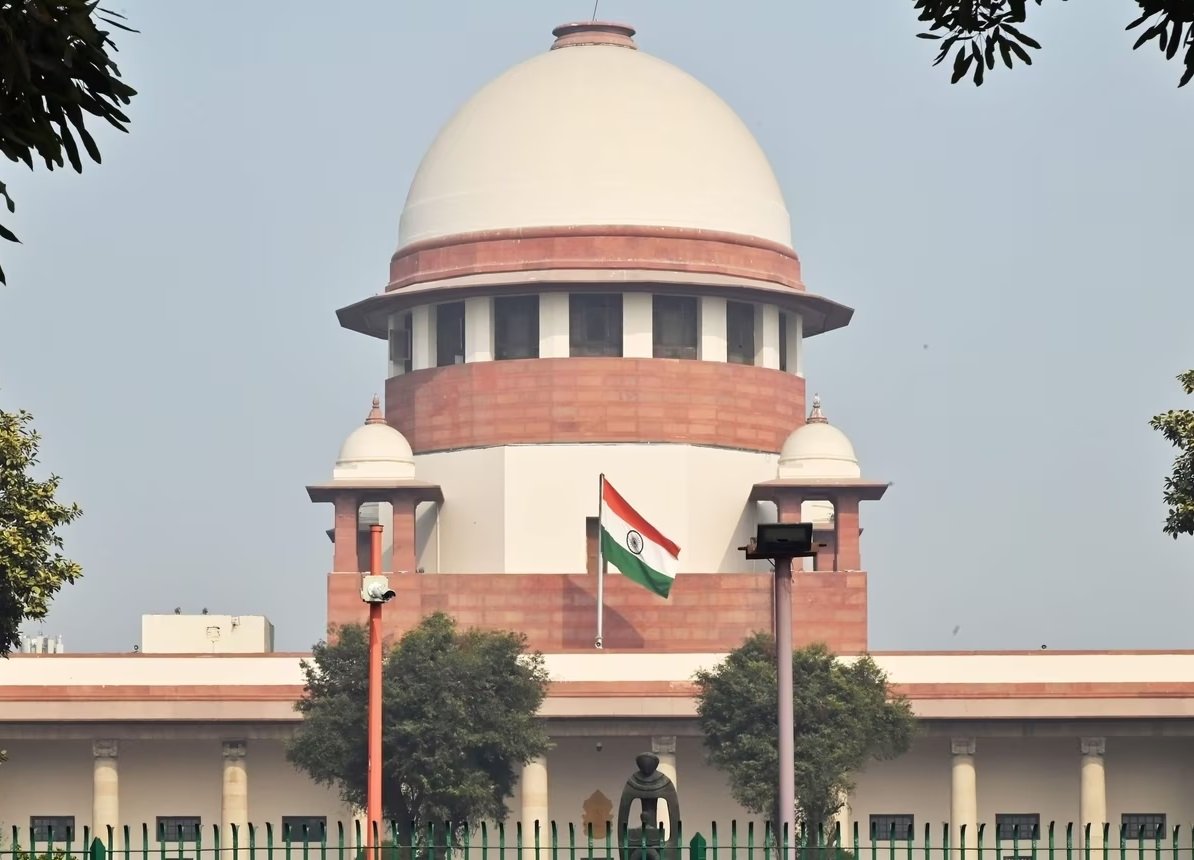
The Supreme Court of India is set to hear bail pleas from four key accused in the high-profile 2020 Delhi riots conspiracy case this Friday. The group includes Sharjeel Imam, Umar Khalid, Meeran Haider, and Gulfisha Fatima, all facing tough charges under the Unlawful Activities (Prevention) Act, or UAPA.
These activists and student leaders have challenged the Delhi High Court’s recent refusal to grant them bail. They argue their arrests stem from an alleged larger plot behind the violent North-East Delhi riots. The riots broke out amid massive protests against the Citizenship Amendment Act (CAA) in early 2020, leaving over 50 people dead and hundreds injured.
Delhi Police claims the violence was a well-planned conspiracy hatched during the anti-CAA stir. That’s why they slapped UAPA charges on several student leaders and activists, making bail extremely hard to get. Civil rights groups and legal experts have slammed these UAPA cases, calling them a tool to silence dissent.
On Friday, a bench of Justice Aravind Kumar and Justice N V Anjaria will take up the pleas from Sharjeel Imam, Umar Khalid, and Gulfisha Fatima. Separately, Chief Justice D Y Chandrachud and Justice K Vinod Chandran will hear Meeran Haider’s bail application.
Let’s take a quick look at who these accused are. Sharjeel Imam, a former Jawaharlal Nehru University (JNU) student, got arrested on January 28, 2020, from Jehanabad in Bihar. Police say he gave inflammatory speeches at Jamia Millia Islamia and Aligarh Muslim University, linking him to the riots conspiracy. He’s been behind bars ever since.




Umar Khalid, another ex-JNU student and prominent activist, approached the Supreme Court on September 10 after the Delhi High Court turned down his bail in the UAPA case. Gulfisha Fatima and Meeran Haider, both tied to student movements, face similar serious allegations.
This case has gripped the nation, sparking debates on free speech, protest rights, and the misuse of anti-terror laws like UAPA. The Supreme Court’s ruling could set a big precedent for handling UAPA charges in protest-related cases, affecting many more activists across India.
Stay tuned as the top court weighs in on this crucial matter.
Stay informed on all the latest news, real-time breaking news updates, and follow all the important headlines in world News on Latest NewsX. Follow us on social media Facebook, Twitter(X), Gettr and subscribe our Youtube Channel.