

The Indian government has taken a big step to make business easier and cheaper for many industries. By lowering GST rates across sectors like leather, footwear, paper, textiles, handicrafts, toys, agro-processing, and logistics, both companies and consumers will benefit.
This move helps reduce the cost of doing business, makes products more affordable for shoppers, and boosts profits for small and medium-sized enterprises (MSMEs). It also supports India’s goals of promoting exports, helping artisans and farmers, and encouraging eco-friendly manufacturing.
How this benefits different sectors:
Leather and footwear:
GST has been cut from 12% to just 5%. This is great news for India’s leather and shoe industry, which is a big employer and exports many products worldwide. With lower taxes, manufacturers can produce more competitively, and consumers will find affordable shoes and leather goods. This change is expected to boost India’s exports in these sectors.
E-commerce and packaging:
Online shopping is growing fast, and cheaper packaging helps both sellers and buyers. Items like corrugated boxes, paper cases, and trays will now be taxed at 5%, reducing shipping costs. This means faster, cheaper delivery for online orders.




Logistics and transport:
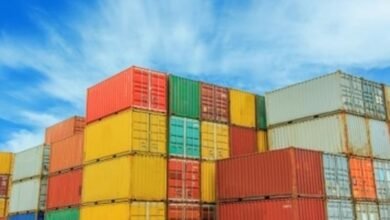
GST on trucks and delivery vans has been lowered from 28% to 18%. Cheaper trucks mean lower freight costs, helping goods move faster across India. Since trucks carry most of the country’s goods, this reduction could make products cheaper and boost exports. It also supports warehouses, logistics, and online retail businesses.
Eco-friendly products:
Sustainable materials like eco-friendly wood substitutes now have a 5% GST rate, encouraging green manufacturing and supporting small businesses.
Handicrafts and traditional crafts:
GST on handicrafts has been reduced from 12% to 5%. This will make handmade goods more affordable and help artisans reach more buyers worldwide.
Food and agro-processing:
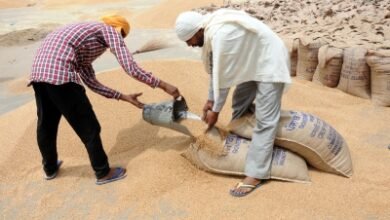
GST cut to 5% or zero on many food items will strengthen the food supply chain, reduce waste, and support farmers, food processors, and exporters. Cold storage and food processing industries will also benefit.
Textiles:
GST reforms remove confusing tax structures, lowering costs across the textile value chain — from raw fibers to finished garments. This will help boost demand, support exports, and preserve jobs in the sector.
Toys and children’s products:
GST on toys has been reduced from 12% to 5%. This encourages local toy manufacturing and makes toys more affordable for families and kids.
Overall, these GST reductions are designed to make Indian industries more competitive globally, support small businesses, and give consumers better prices. The government’s efforts aim to create a more efficient, inclusive, and growing economy.