

New Delhi, Nov 30 (LatestNewsX) – Scientists in India have uncovered gene alterations that drive oral cancer specifically in women from the southern region of the country.
The work was carried out by teams from the Jawaharlal Nehru Centre for Advanced Scientific Research in Bengaluru and the BRIC‑National Institute of Biomedical Genomics in Kalyani, working together with clinicians at Sri Devraj Urs Academy of Higher Education and Research in Kolar.
Professor Tapas K Kundu of JNCASR led the effort, focusing on how oral cancer differs in women, how the disease behaves in female patients, and how therapies might be improved.
Using deep‑learning algorithms, the researchers digitally examined tumour tissues and identified two distinct groups of women, each showing a different immune reaction within their cancers.
India still holds one of the world’s highest burdens of oral cancer, with alarmingly high rates in women in some southern and northeastern states, largely due to the widespread habit of chewing tobacco‑laden betel quid, gutka and similar products.
While male oral cancer has received much research attention, the disease in women has frequently remained under‑studied.
The study examined paired tumour and blood samples from female OSCC‑GB patients who partake in a distinctive regional chewing habit known as “Kaddipudi,” common among women in Karnataka’s Kolar district.
Analysis of this female‑centric cohort revealed a novel driver mutation linked to the formation of oral tumours.
Published in the Clinical and Translational Medicine Journal, the research was designed to uncover the biological foundation behind the unusually aggressive and recurrent oral cancers that disproportionately affect Indian women.
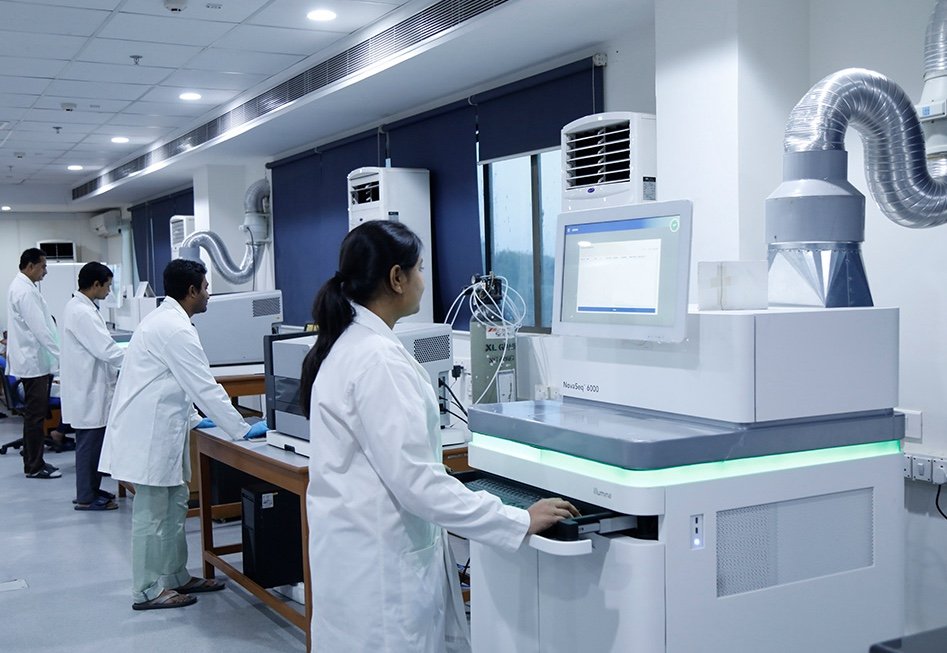
Whole‑exome sequencing of the Kolar patients’ samples highlighted ten key genes that were significantly mutated, with top hits including CASP8 and TP53.
Interestingly, CASP8 emerged as the likely driver mutation in these women— a pattern that differs from the mutation landscape seen predominantly in male oral cancer cases.
The investigators propose that the simultaneous presence of mutations in TP53 and CASP8 may underlie the particularly lethal behaviour seen in this cancer type.
Moving forward, the team plans to dissect the molecular pathways driven by this new mutation, particularly in the context of concurrent TP53 alterations, as part of their next research phase.
Stay informed on all the latest news, real-time breaking news updates, and follow all the important headlines in world News on Latest NewsX. Follow us on social media Facebook, Twitter(X), Gettr and subscribe our Youtube Channel.