“Hindu population declined from 60 cr to 30 cr due to centuries of colonial rule”: Uttar Pradesh CM Yogi

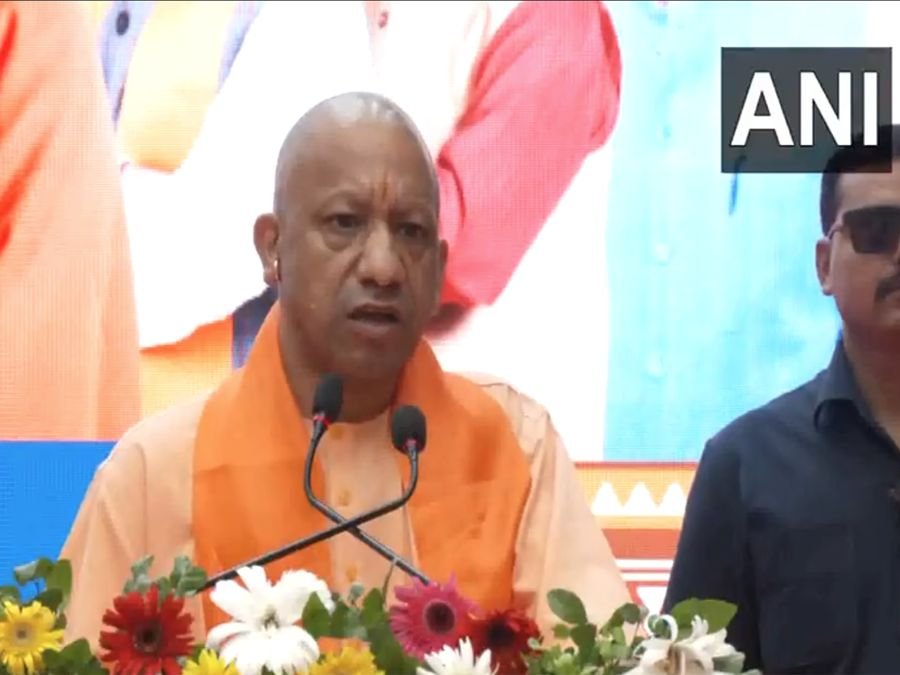
(source : ANI) ( Photo Credit : ani)
In Lucknow, Uttar Pradesh Chief Minister Yogi Adityanath highlighted how centuries of foreign invasions and colonial rule in India drained the country’s resources and people. Speaking at a state-level workshop on Atmanirbhar Bharat and Swadeshi Sankalp, he pointed out a sharp drop in the Hindu population over time.
Yogi Adityanath explained that around the year 1100, India’s Hindu population stood at about 60 crore. By the time India gained independence in 1947, it had fallen to roughly 30 crore. “Should our population have grown or shrunk over those 800 to 900 years?” he asked the audience, urging them to reflect on the impact.
He stressed that India had everything it needed for prosperity—abundant resources and talent. Yet, foreign rulers sowed divisions along lines of caste, region, and language, leading to widespread suffering. “Even today, some people carry that same foreign mindset, splitting society and creating rifts,” the Chief Minister added.
Yogi tied these historical lessons to the push for self-reliance under Prime Minister Narendra Modi. The Swadeshi movement, he said, aims to boost Indian workers and youth by championing products made in India. “Critics will attack this campaign from every angle, but the Prime Minister’s message is clear: Let’s support goods crafted by our own hands and ingenuity,” he noted.
This comes amid fresh economic moves by the central government. On Monday, officials launched GST 2.0, a big update to India’s indirect tax system. To mark the occasion, Prime Minister Narendra Modi penned a letter to citizens, linking it to the festive spirit of Navratri.




“As we kick off Navratri, I send warm wishes to you and your families for health, joy, and prosperity,” Modi wrote. He announced the start of GST Bachat Utsav, or GST Savings Festival, from September 22, calling it a reason to celebrate during the holidays.
These GST reforms, Modi emphasized, will help people save more money and touch every corner of society—from farmers and women to youth, the poor, middle-class families, traders, and small businesses like MSMEs. “They’ll spark greater growth, attract investments, and speed up development in every state and region,” the letter stated, painting a picture of shared benefits for all Indians.
Stay informed on all the latest news, real-time breaking news updates, and follow all the important headlines in world News on Latest NewsX. Follow us on social media Facebook, Twitter(X), Gettr and subscribe our Youtube Channel.