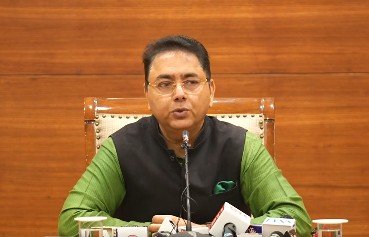


In the Rajya Sabha, Chairman C.P. Radhakrishnan opened a detailed session about how Rule 267 is used and what it actually covers, after learning he’d received two separate notices under the rule. He recalled that, after several members asked, he promised the House he would look closely at how Rule 267 notices are filed and issue a thorough decision.
Explaining his view, the Chairman said that notices under Rule 267 were being filed “almost daily,” typically to halt the scheduled business and bring up topics chosen by individual members. “Regrettably, that is not the purpose of Rule 267,” he stated, emphasizing that the Rajya Sabha cannot treat it the same as an adjournment motion in the Lok Sabha, which the Constitution allows under Article 75(3). “There’s no constitutional or procedural basis that lets Rajya Sabha members issue an adjournment notice in any way,” he added.
He stressed that Rule 267 only suspends a rule for items already listed on the day’s agenda. Any notice addressing a matter outside that list is invalid. He also noted that the rule’s current form came from a 2000 amendment by a committee headed by former Chairman Krishan Kant, which included Dr Manmohan Singh, Pranab Mukherjee, Arun Jaitley, M. Venkaiah Naidu, and Fali S. Nariman. The committee had identified abuse of the rule for topics not on the agenda or not yet admitted, and it thus advised limiting its use strictly to the day’s business. The House adopted those recommendations on 15 May 2000.
Chairman Radhakrishnan pointed out that between 1988 and 2000, Rule 267 was invoked only three times, and only twice did it follow the rule correctly. Since the 2000 amendment, no discussion has taken place under Rule 267 without prior consensus, and only eight consensual discussions have been held in almost forty years. “This device has been invoked on the rarest of occasions,” he said.
Opposition Leader Mallikarjun Kharge replied that because the Rajya Sabha lacks an adjournment motion, Rule 267 remains the sole way to bring urgent matters to the floor. He urged the Chair not to dismiss everything in a single sweep, reminding that the rule was actually framed and adopted by the House itself.


In response, House Leader J.P. Nadda denied any suggestion that the government was shirking debates. “Whatever you asked for, we have always allowed time,” he remarked, noting that the previous session included full debates requested by the opposition. He added that discussions on Vande Mataram and electoral reforms—agreed upon in the all‑party meeting—would be scheduled for the following week.
Stay informed on all the latest news, real-time breaking news updates, and follow all the important headlines in world News on Latest NewsX. Follow us on social media Facebook, Twitter(X), Gettr and subscribe our Youtube Channel.