

Afghanistan is staring down a massive hunger crisis, and the World Food Programme (WFP) is sounding the alarm for urgent funding to get aid to people before winter traps remote villages in isolation.
The situation is getting worse by the day. WFP warns that millions of Afghans are slipping into deeper food insecurity, thanks to back-to-back crises draining resources and leaving families desperate. As Afghanistan’s top news outlet Khaama Press reports, the agency made this plea on September 18, stressing the need for quick cash to deliver food supplies before harsh weather cuts off help.
WFP’s Deputy Executive Director Rania Dagash Kamara put it bluntly: the needs are “vast and immediate.” Without fresh funding, she says, millions more could plunge into extreme hunger in the months ahead. The crisis just got a big hit from the United Nations High Commissioner for Refugees (UNHCR), which halted cash aid programs nationwide after September 9. This came after restrictions blocked female staff from working, leaving thousands of vulnerable households high and dry.
UNICEF is equally worried, pointing out that over 9.5 million people in Afghanistan battle severe food insecurity, including 1.6 million in emergency-level straits. Kids are hit hardest—malnutrition rates are skyrocketing, and without fast international support, the long-term damage could be devastating.
These red flags show how political hurdles, funding shortfalls, and aid blocks are fueling Afghanistan’s humanitarian emergency. If donors don’t step up and authorities ease restrictions, things could spiral further. Aid groups are pushing hard for more money and fewer barriers to save lives.

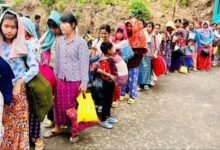


Just last week, the United Nations flagged that over 4.7 million women and children urgently need malnutrition treatment. Drought, economic meltdown, and shrinking aid are pushing the country toward an even deeper crisis. UN spokesperson Stephane Dujarric told reporters the food security picture is “alarming”—one in four Afghans faces severe shortages, with children suffering the most.
WFP adds that Afghanistan is on track for its worst acute malnutrition levels in 2025. In Kabul’s Indira Gandhi Hospital, doctors are rushing to treat waves of affected kids. UN data backs this up: those 4.7 million women and children can’t wait. Aid experts warn that without swift action, rising malnutrition could lead to widespread deaths and lasting health scars.
Stay informed on all the latest news, real-time breaking news updates, and follow all the important headlines in world News on Latest NewsX. Follow us on social media Facebook, Twitter(X), Gettr and subscribe our Youtube Channel.