
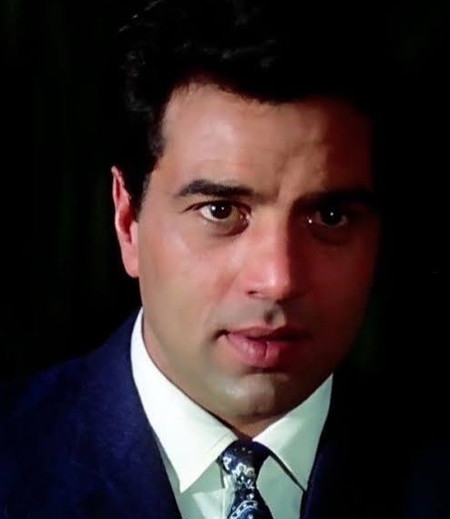
"120 Bahadur," the film that rekindled memories of the heroic Rezang La stand‑off of the 1962 India‑China clash, truly hit the big screen. It began appearing in cinemas about sixty years earlier with Dharmendra leading a dramatized retelling that itself took certain cinematic liberties.
In 1964, filmmaker Chetan Anand released Haqeeqat, widely regarded as a standout in India’s war‑film canon. The story loosely follows the true story of the Ahir company of the 13 Kumaon, commanded by the indomitable Major Shaitan Singh. They faced a numerically superior Chinese force on the frozen expanse of Ladakh. Though surrounded, they inflicted serious losses before 95 % of their own soldiers were wiped out.
The movie portrays Dharmendra as Captain Bahadur Singh, a version of Major Singh, while his immediate superior is Major Ranjit Singh, played by Balraj Sahni. The senior officer, Brigadier Singh—played by Jayant —mirrors the real Chushul Brigade commander, Brigadier T.N. Raina, who later became Army chief. In the film, this Brigadier is also Captain Singh’s father, adding emotional conflict: he knows he is sending his son into lethal danger but feels duty and the soldier’s code must prevail.
The ending follows a familiar pattern. Dharmendra’s Captain, along with a Ladakhi woman he befriends, loses his life fighting overwhelming odds. A lone officer—prideful of military tradition—covers the retreat, yet most of the men still fall. The film presents a montage of fallen soldiers across a lunar‑like landscape, with grieving families, patriotic rallies, and the stirring yet bleak song “Kar chale ham fida jaan‑o‑tan sathiyon, Ab tumhare hawale vatan sathiyon” voiced by Mohd Rafi, penned by Kaifi Azmi and composed by Madan Mohan.
Shot against the stark backdrop of Ladakh, Haqeeqat did not shy from the harsh realities of war. While it was widely praised, some critics raised concerns, including a surviving Rezang La veteran who walked partway through the film. His objection stemmed from the platoon wearing the Punjab Regiment epaulettes instead of those of the Kumaon Regiment.

The film’s production had its own dramatic story. Even after receiving support from the Indian Army and Air Force to film in Ladakh, Anand was short by Rs 10,000. An acquaintance suggested he visit then Punjab Chief Minister Partap Singh Kairon for help, and Kairon promptly approved Rs 2 lakh, on the condition the contribution of Punjab soldiers also be acknowledged.
Dharmendra’s war‑film career began with Haqeeqat, but he would revisit military roles throughout his life. Less than a decade later he appeared in a Navy uniform in Tum Haseen Main Jawaan (1970), and then returned to army garb as Major Ram Kapoor in Ramanand Sagar’s Lalkaan (1972), acting alongside Rajendra Kumar who played his brother, Wing Commander Rajan Kapoor. That film focused on operations in then Burma against the Japanese during World War II.
In a more recent project, Dharmendra will be seen posthumously as Brigadier M.L. Khetarpal (retired), the father of valiant cavalry officer 2nd Lt Arun Khetarpal, who earned the Param Vir Chakra for his heroic role in the 1971 Battle of Basantar and ultimately paid the highest price.
For more information, contact Vikas Datta at vikas.d@ians.in. (vd/skp)
Stay informed on all the latest news, real-time breaking news updates, and follow all the important headlines in world News on Latest NewsX. Follow us on social media Facebook, Twitter(X), Gettr and subscribe our Youtube Channel.