Bachat Utsav or historic blunder corrected after 8 years?: Centre, Opposition spar over implementation of GST 2.0

(source : ANI) ( Photo Credit : ani)
India’s latest tax shake-up, known as GST 2.0 or the Bachat Utsav (Festival of Savings), kicked off on September 22, drawing cheers from the government and sharp jabs from the opposition. Prime Minister Narendra Modi launched this reform with fanfare, tying it to the start of Navratri festivities and promising real savings for everyday Indians.
The government approved these GST reforms on September 4, and they went live on Monday. At its core, GST 2.0 simplifies things with just two main tax slabs: 5% and 18%. Luxury and sin goods, like high-end cars or tobacco, stick with a 40% compensation cess to keep revenue flowing.
PM Modi called it a game-changer in a letter to citizens, saying it would spark a “GST Savings Festival” nationwide. “As the nation celebrates Navratri, this brings an extra reason to rejoice,” he wrote. “These next-generation GST reforms will boost savings and benefit every section of society.”
Officials highlight massive relief ahead. India’s Chief Economic Advisor Anantha Nageswaran told the Network18 Reforms Reloaded 2025 summit in Delhi that combined direct and indirect tax cuts could deliver over Rs 2.5 lakh crore in savings for people. Still, he warned that global uncertainties might soften the blow a bit.
Union Petroleum Minister Hardeep Singh Puri echoed the optimism, telling that the changes are creating a “wave of happiness.” He added, “GST rate reductions will help all sections of society and could boost India’s GDP by 0.8%. This supports our push for a self-reliant Viksit Bharat.”



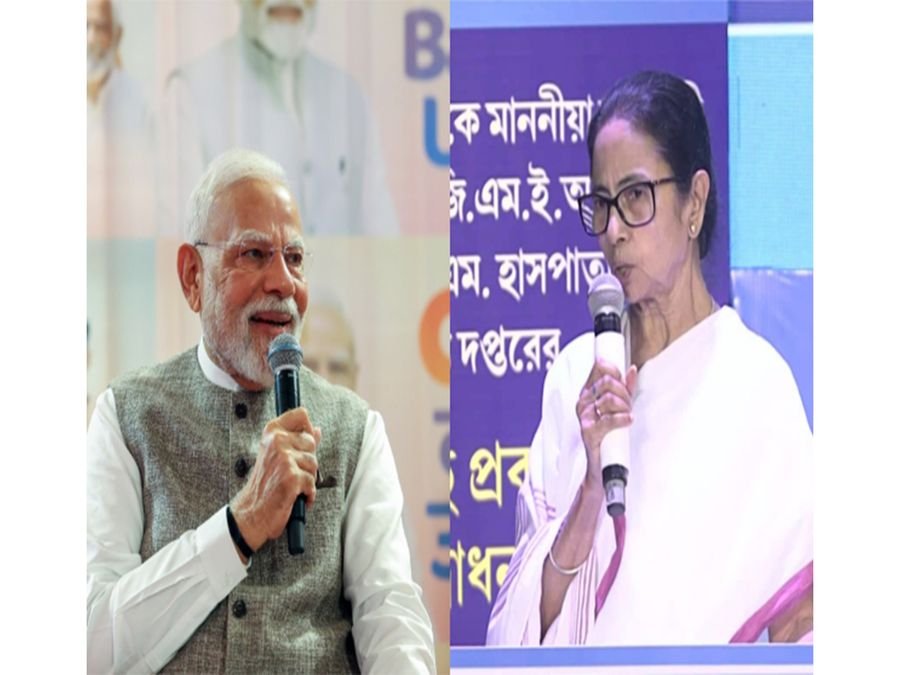
But not everyone’s popping champagne. The opposition slams GST 2.0 as a fix for PM Modi’s past mistakes. Congress MP Manickam Tagore fired off on X, calling it “Modi’s historic GST blunder” corrected after seven years of damage. He took a swipe at YSR Congress leader YS Jagan Mohan Reddy for praising the move, saying, “This isn’t revolutionary—it’s just righting Delhi’s wrongs. Jagan should demand justice for Andhra instead.”
West Bengal Chief Minister Mamata Banerjee went further, accusing the central government of taking credit without paying up. “No penny from the Centre—all this relief comes from state coffers,” she said. She noted that she first demanded GST exemptions on insurance and life-saving medicines, adding that small items had faced unfair taxes before.
Congress MP Jairam Ramesh dug into history, pointing out Modi’s flip-flop. “From 2006 to 2014, only one chief minister opposed GST—Gujarat’s Narendra Modi. Then he became PM and turned into a GST champion in 2017,” Ramesh said.
Union Home Minister Amit Shah celebrated the cuts as a Navratri gift, especially for women and families. On X, he posted, “Historic tax reductions on over 390 goods are now live across India, fulfilling Modi’s promise on GST reform.”
These changes ditch the old four-rate mess for the simpler two-slab system, aiming to cut red tape, lower everyday prices, and fire up manufacturing. Experts say it will help farmers, auto makers, fast-moving consumer goods (FMCG) companies, and even renewable energy firms. The goal? Cheaper living costs, stronger small businesses (MSMEs), a broader tax base, and fairer growth for all.
In the FMCG and dairy world, big players are already passing on savings. Brands like Amul and Mother Dairy announced price drops on milk, butter, and staples, making sure consumers feel the GST rate cuts right away. As India dives into festival season, this GST 2.0 push could mean more cash in pockets for Diwali shopping and beyond.
Stay informed on all the latest news, real-time breaking news updates, and follow all the important headlines in world News on Latest NewsX. Follow us on social media Facebook, Twitter(X), Gettr and subscribe our Youtube Channel.