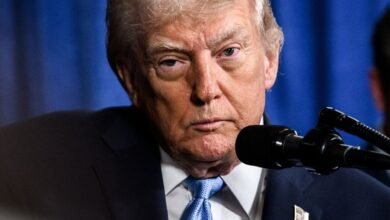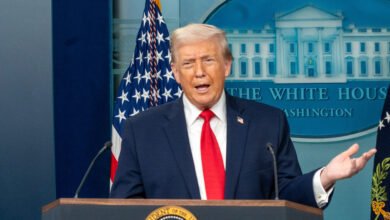


US President Donald Trump didn’t mince words at the United Nations General Assembly on September 23. Speaking to world leaders, he slammed Europe, saying, “Your countries are going to hell.” His sharp comments highlight growing tensions in US-Europe relations, especially as the Atlantic alliance faces new challenges.
Trump zeroed in on NATO allies’ reliance on Russian energy. “NATO countries not cutting off Russian energy amounts to funding the war against themselves,” he declared. This frustration stems from Europe’s moves that irk Washington, like France and the UK recognizing the state of Palestine, Germany welcoming refugees, and several nations pushing green energy policies.
Despite earlier rumors, Trump held back from slashing NATO funding. Just months ago, at the June 2025 NATO summit in The Hague, the US convinced nearly all European partners to boost defense spending. They agreed to raise targets from the long-standing 2% of GDP to 5% by 2035. Experts called it a diplomatic masterstroke and a historic win for the alliance.
US-Europe ties have always been a mix of close partnership and friction, much like the choppy Atlantic waters between them. It started centuries ago: Italian explorer Christopher Columbus reached the Americas in 1492, but Britain later colonized the land. On July 4, 1776, the 13 American colonies declared independence from Britain, kicking off a new era.
Through world wars and the Cold War, the bond strengthened. US forces helped free Europe from Nazi control in the 20th century, and NATO formed to counter Soviet threats. Today, the alliance still stands strong, aiding Ukraine against Russia’s invasion from nearby bases.



But recent US policies have stirred unease among NATO partners. Trump’s push for reciprocal tariffs hasn’t sat well, and allies worry about America’s on-again, off-again stance toward Russia. Trump has a point, though: European nations buy Russian gas while sending weapons to Ukraine to fight Moscow’s forces.
Even after a warm royal welcome in Britain, Trump took shots at the UK from the UNGA stage just days later. As tariffs shift and global conflicts rage, transatlantic relations feel chaotic. Still, this alliance has survived tougher storms before—history shows it can weather this one too.
Stay informed on all the latest news, real-time breaking news updates, and follow all the important headlines in world News on Latest NewsX. Follow us on social media Facebook, Twitter(X), Gettr and subscribe our Youtube Channel.