India and Indonesia can become unexpected brokers of new Middle Eastern balance: Italian expert

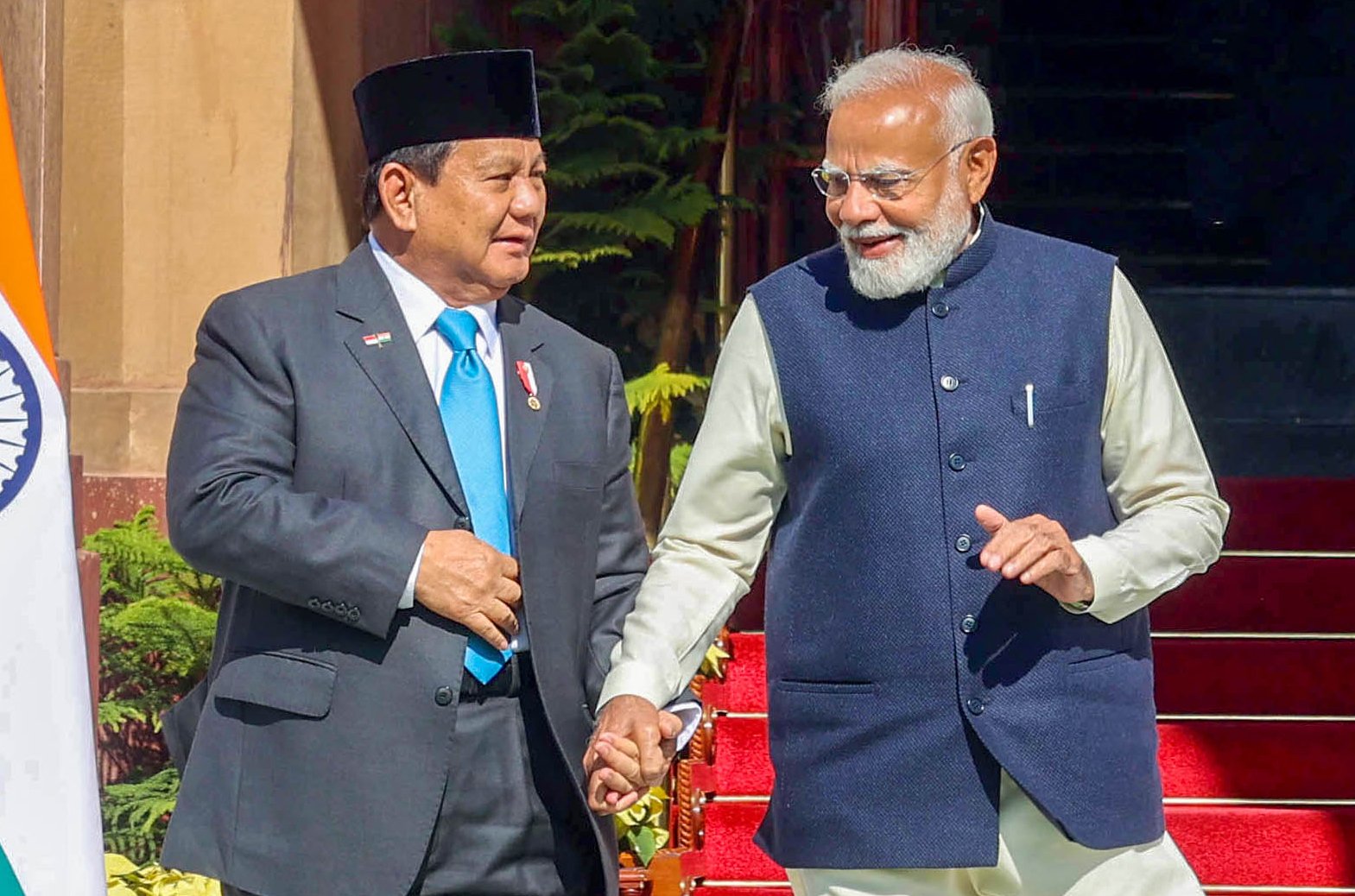
India and Indonesia are stepping up as key players in the Middle East peace talks, offering a fresh approach rooted in pragmatism and balance. As two major democracies from the Global South, they’re pushing for a setup that protects Israel’s security while addressing Palestinian goals—and they’re calling out disruptive influences like Pakistan.
This idea comes from Italian geopolitical expert Sergio Restelli in a recent piece for The Times of Israel. With Israel’s ongoing conflict against Hamas reshaping the region’s security landscape, Restelli highlights how voices from India and Indonesia stand out at the United Nations.
Restelli points out that India bridges the East and West like few others. New Delhi firmly opposes Islamist extremism, strengthens defense ties with Israel, and keeps strong relationships with Arab nations. That’s a stark contrast to Pakistan, which he says supports jihadist groups and uses its nuclear arsenal as leverage. Teaming up with Indonesia, India could lead a “non-aligned peace pole” focused on stability and real-world solutions over ideology.
Both countries bring moral weight as non-aligned democracies. They stress that any path to recognizing Palestine must include freeing hostages, demilitarizing threats, and providing solid security guarantees for Israel. Peace, they argue, grows from mutual respect, good governance, and self-control—not top-down demands.
Restelli sees the Non-Aligned Movement, once seen as outdated from the Cold War era, making a comeback through smart leadership from Jakarta and New Delhi. If they join forces, they might unexpectedly broker a new balance in the Middle East: one that secures Israel, honors Palestinian hopes, and pushes back against manipulative players.



A prime example came from Indonesian President Prabowo Subianto’s speech at the UN General Assembly in New York. He said Indonesia would recognize Israel only if Israel first recognizes Palestine—a fair, two-way deal. To wrap up, he wished the assembly “shalom,” signaling deep respect for Israel’s security as essential for lasting peace in the Muslim world.
Even Singapore’s foreign ministry backs this view, urging that a Palestinian state needs a government that rejects terrorism and accepts Israel’s existence. These perspectives are shifting the global conversation on Middle East peace from one-sided demands to shared responsibility and real safeguards.
Stay informed on all the latest news, real-time breaking news updates, and follow all the important headlines in world News on Latest NewsX. Follow us on social media Facebook, Twitter(X), Gettr and subscribe our Youtube Channel.