
(source : ANI) ( Photo Credit : ani)
India Dominates Pakistan in Asia Cup Thriller: Suryakumar Yadav Explains No Handshake After Big Win
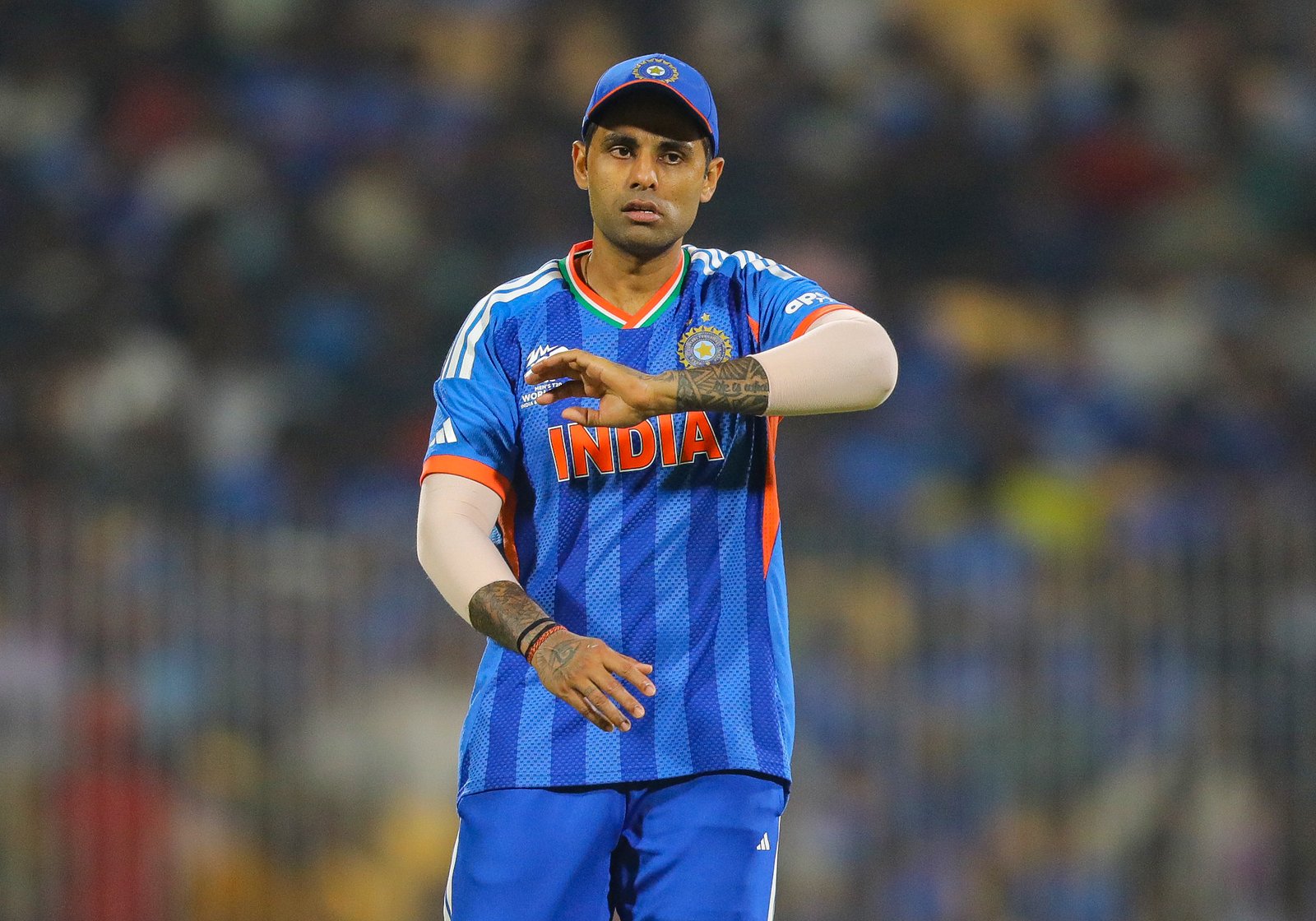
In a high-voltage Asia Cup clash in Dubai, India crushed Pakistan by seven wickets on Sunday, keeping their T20I winning streak alive. Skipper Suryakumar Yadav starred with an unbeaten 47, while spinners Kuldeep Yadav and Axar Patel choked the opposition with tight bowling. But post-match, the buzz wasn’t just about the victory—it was Suryakumar’s candid take on skipping the traditional handshake with Pakistan players.
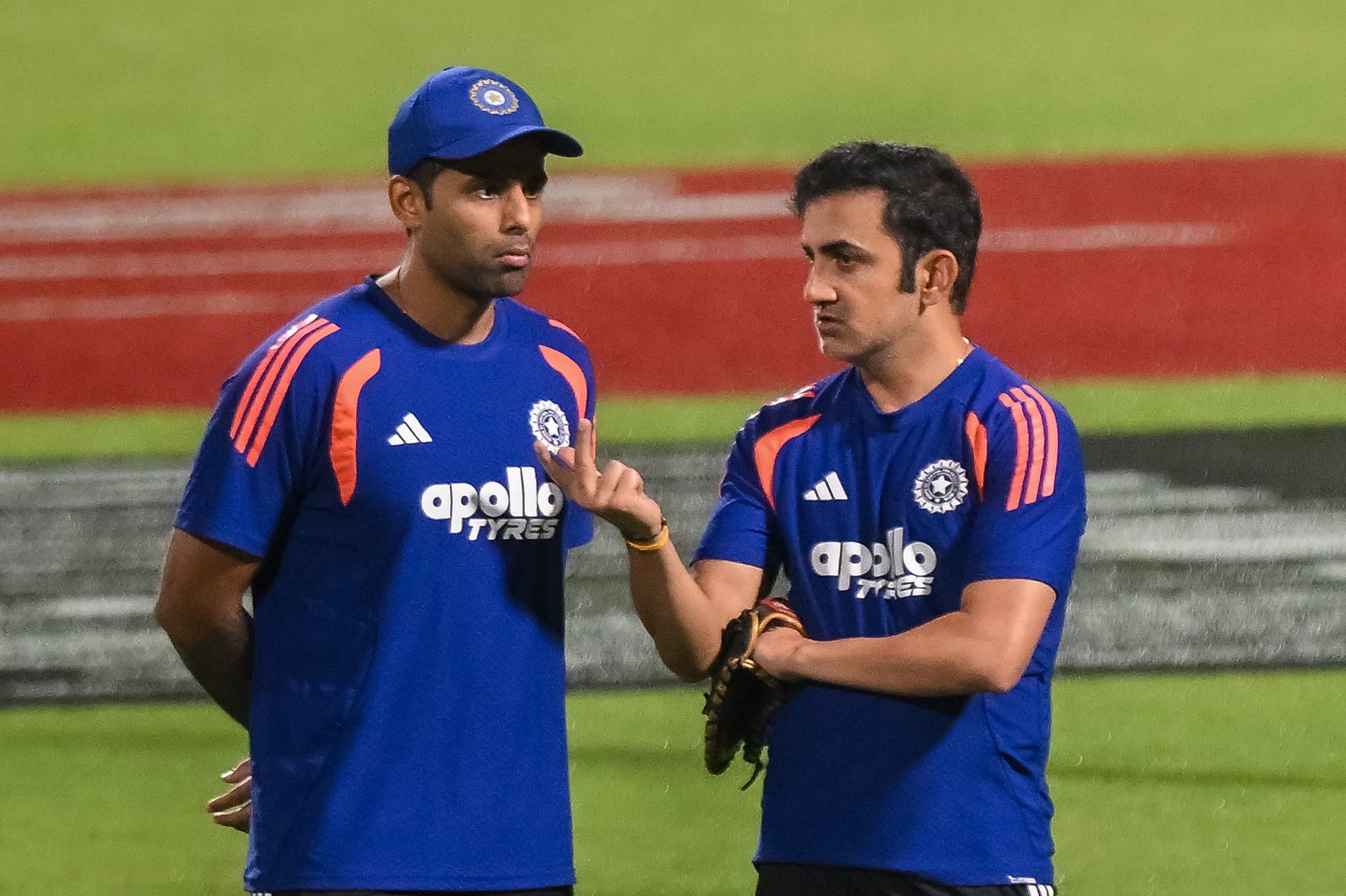
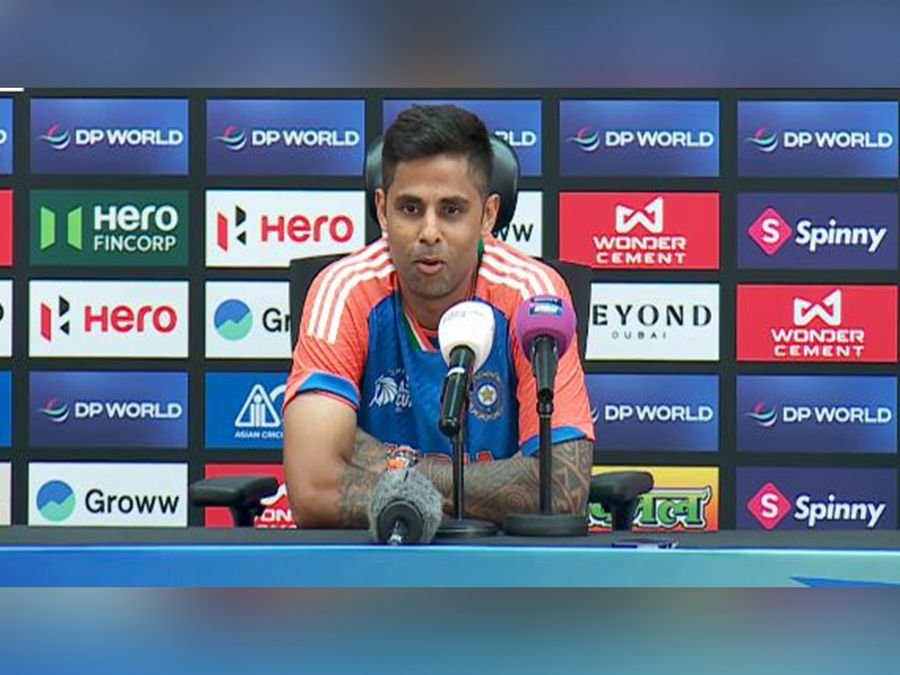
Suryakumar addressed the no-handshake moment head-on. "Our government and BCCI were on the same page," he said. "When we arrived, we decided to focus solely on the game. We gave them a proper reply on the field." The decision came amid heightened tensions, including the Pahalgam terror attacks in April and India’s Operation Sindoor by the armed forces. Team India faced heavy trolling online for playing the match anyway, but Suryakumar revealed how they tuned it out.
"We blocked out 70-80% of the outside noise," the skipper shared. "Our players and support staff discussed it—we wanted to stay focused and execute our plans. I don’t know what’s happening out there; the team keeps me away from it. That way, we think clearly, and the crowd’s support fires us up."
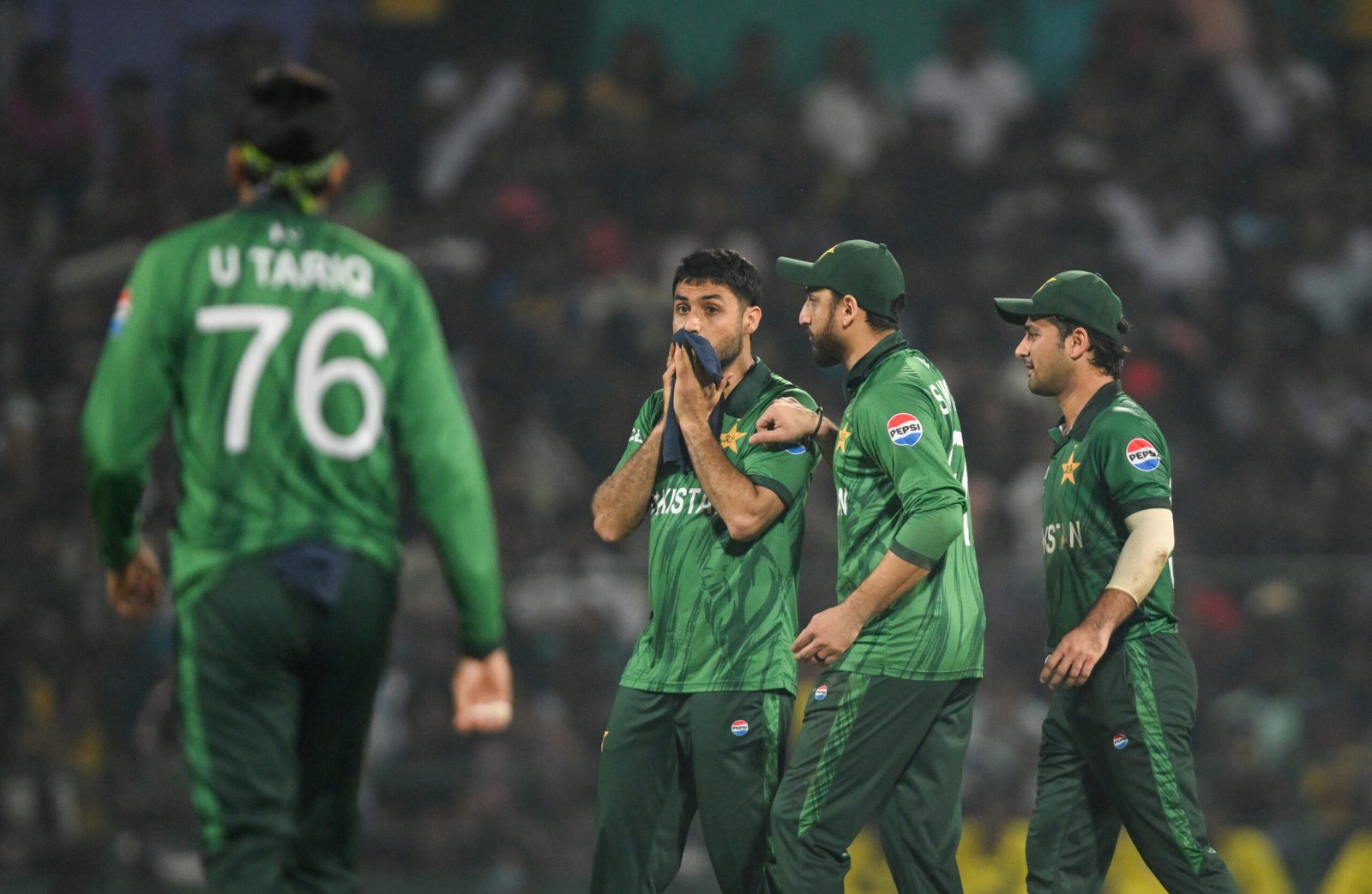
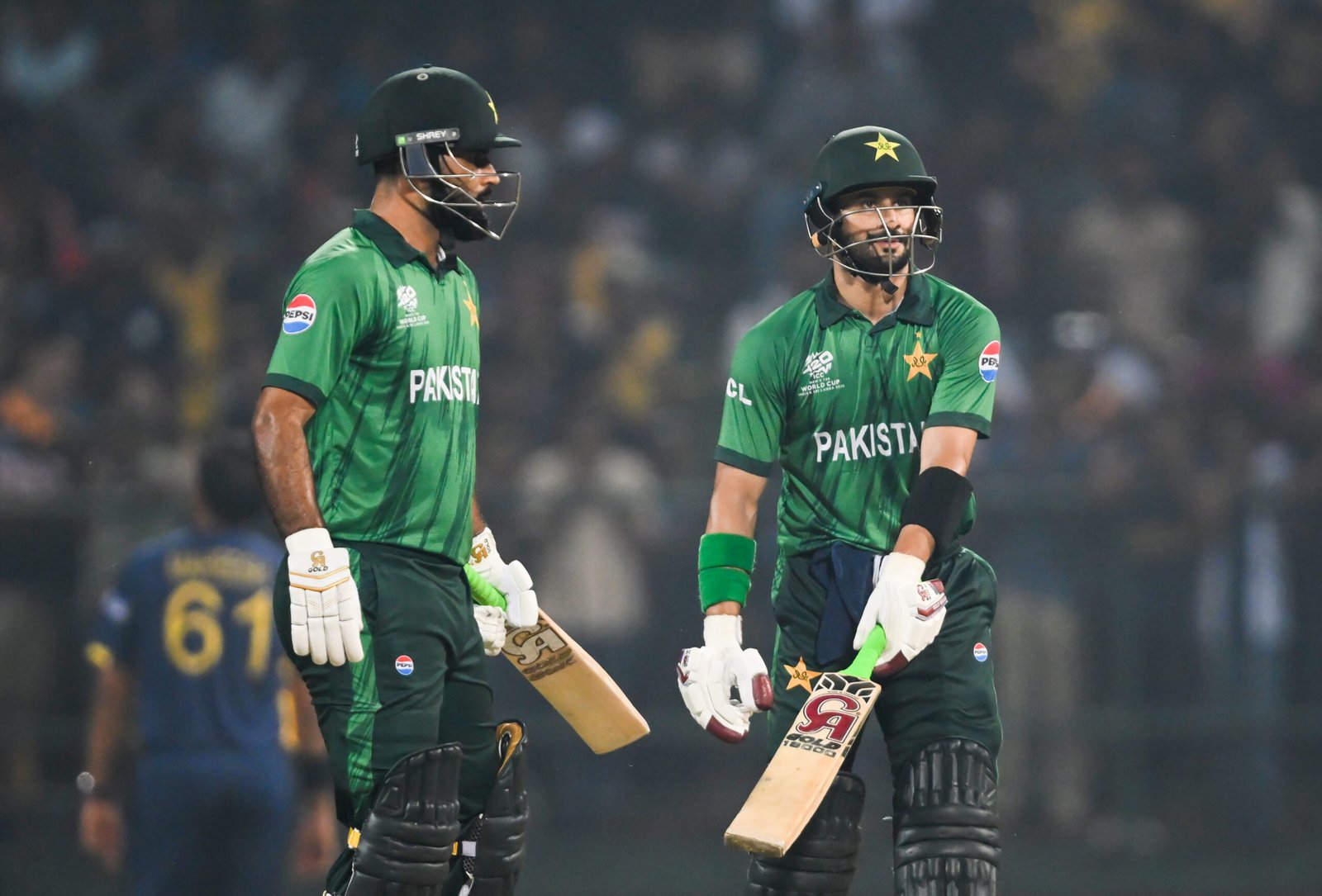
Let’s break down the action-packed game. Pakistan won the toss and chose to bat first, but India struck early, reducing them to 6/2. Sahibzada Farhan fought back with 40 off 44 balls (including a four and three sixes), partnering with Fakhar Zaman’s 17 off 15 (three fours) for a 39-run stand. Still, India piled on the pressure, leaving Pakistan at 97/8. Shaheen Shah Afridi’s explosive 33* off 16 balls (four sixes) pushed them to 127/9 in 20 overs.
India’s bowlers shone bright. Kuldeep Yadav led the charge with 3/18, Axar Patel grabbed 2/18, Jasprit Bumrah took 2/28, and Hardik Pandya chipped in with one wicket. In the chase, India lost two quick wickets in the powerplay, but Abhishek Sharma’s fiery 31 off 13 balls (four boundaries and two sixes) set the tone. Suryakumar then steadied the ship with a 56-run partnership alongside Tilak Varma’s 31 off 31 (two fours). SKY kept the momentum going, unbeaten till the end with Shivam Dube (10*), sealing the win with 25 balls to spare.
Kuldeep Yadav earned Player of the Match for his game-changing spell. With two wins from two games, India tops Group A in the Asia Cup. Cricket fans are already hyped for what’s next in this India vs Pakistan rivalry!
Stay informed on all the latest news, real-time breaking news updates, and follow all the important headlines in world News on Latest NewsX. Follow us on social media Facebook, Twitter(X), Gettr and subscribe our Youtube Channel.