Dem-leaning group roasts NY’s green energy law as an ‘undeniable’ failure as customers zapped by soaring costs

New York’s ambitious push for green energy has fallen short, according to a fresh report that points to rising utility bills and stalled progress on key climate goals. The Progressive Policy Institute’s analysis, a think‑tank that leans Democratic, argues that New York’s bold 2019 Climate Leadership and Community Act is not only struggling but also creating an energy grid that is less reliable and more costly for residents.
The report lists a “clear and undeniable pattern of failure” in meeting the Act’s toughest mandates. For instance, electricity prices in the state are now 44 % above the national average, and residential rates have climbed 36 % since 2019—almost three times the pace of the rest of the country. New Yorkers pay about 24.4 cents per kilowatt‑hour, compared with the US average of 16.5 cents. Utilities plan further rate hikes—roughly 20 %—to cover aging facilities, storm repairs and rising operating costs, putting extra pressure on ordinary households.
On the climate front, New York is lagging on almost every major target. Offshore wind is only 1 % operational, and energy storage is a scant 8 % behind 2030 goals. Only solar power is keeping pace. Meanwhile, fossil fuels still contribute nearly half of the state’s electricity mix. The early shutdown of the Indian Point nuclear plant—once a major source of zero‑emission power—has slowed the state’s clean‑energy trajectory.
The report warns that the timelines set by the law are unrealistic. The green‑energy mandate aimed for 100 % zero‑emission power by 2040, with 70 % renewable, non‑fossil fuel energy by 2030. It also pledged to cut gas emissions from 1990 levels by 40 % by 2030 and 85 % by 2050. Yet replacing natural gas with intermittent sources like solar and wind has proven difficult, and the grid has become less reliable as demand rises in a state with aging infrastructure.
Gov. Kathy Hochul, who was elected after former Gov. Andrew Cuomo, has pushed some elements of the act to the side. A top aide said the governor has slowed implementation over cost concerns, which has angered both environmental activists and the political right, who criticize her for “flip‑flopping.” Hochul’s team recently announced a delay in the All‑Electric Buildings Act, a law that would ban gas stoves in new homes. The act was supposed to start with buildings up to seven stories in 2021 and expand nationwide by 2029.
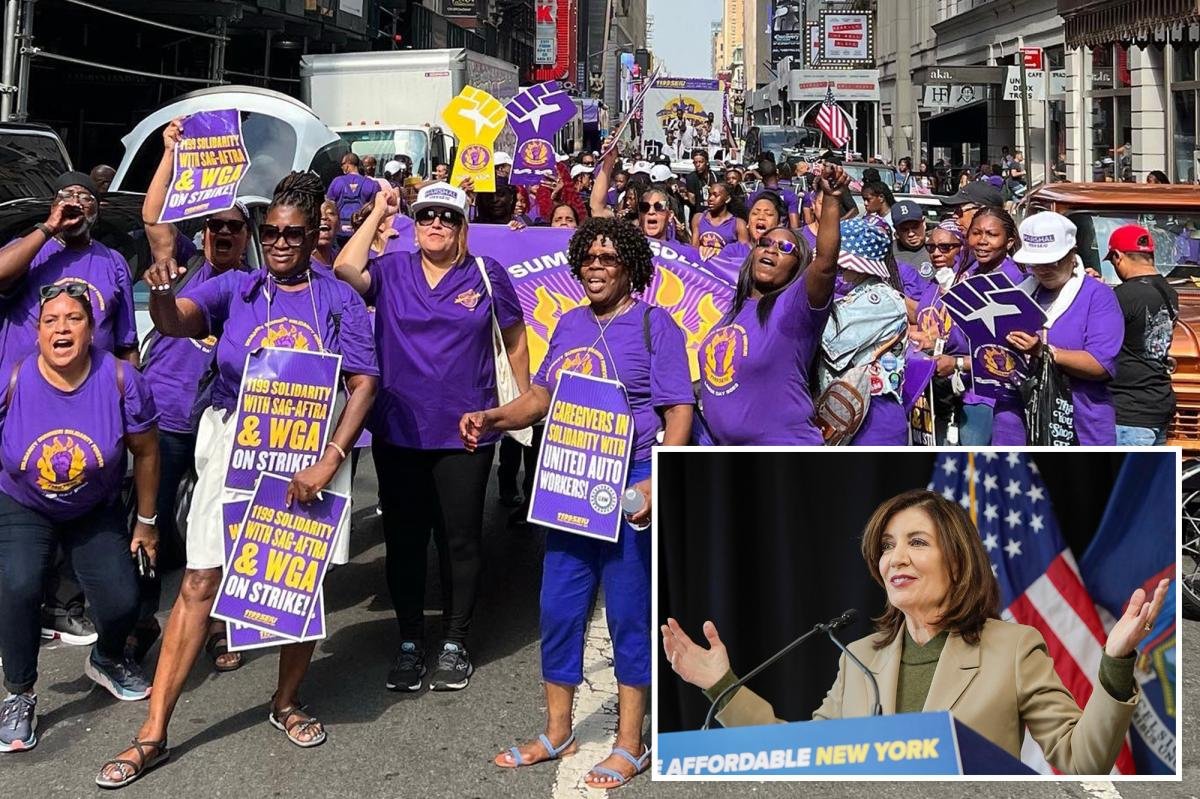



“Under Governor Hochul’s leadership, New York remains a national clean‑energy leader,” Ken Lovett, her senior communications advisor on energy and environment, told reporters. “Because Republicans in Washington are battling renewable projects and the lingering effects of post‑pandemic inflation, the governor has prioritized an all‑of‑the‑above approach to keep the lights on and rates down.” Hochul, however, has defended the pause, saying the state cannot meet the original timelines without hurting ratepayers.
Opponents have seized on the delay. Upstate Rep. Elise Stefanik, a Republican eyeing the governor’s seat, accused Hochul of driving an affordability crisis and said she would push the gas‑stove ban after the election, even though she claims to have “every intention” of doing so. She warned that voters would be forced to choose, implying the governor would likely lose.
Justin Wilcox, executive director of the pro‑business group Upstate United, echoed the PPI findings. “The report shows that New York’s current climate strategy isn’t delivering for families, businesses, or the grid,” he said. “Lawmakers need to reform the law in a practical, collaborative way that reflects the economic and energy realities of New Yorkers. Time is running out.”
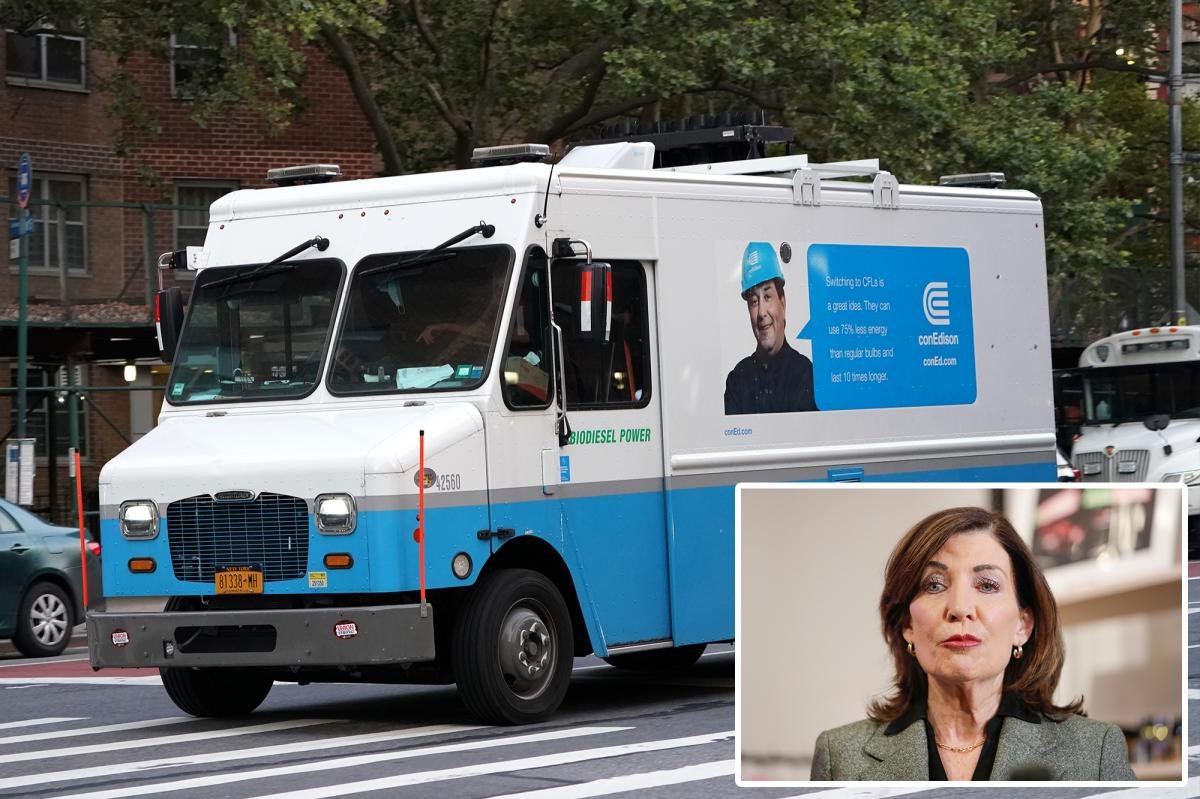
As the political debate rages, New York consumers are already feeling the financial impact. Con Edison plans a 2.8 % increase in average electric bills for city and Westchester customers, and a 2 % rise in gas costs over the next three years. A typical resident who pays $103.13 a month in electricity could see that jump to $114.20 by 2028—nearly $133 more over three years. Westchester households, who already spend $146.27 a month on power, could see bills climb to $161.43. For gas heating customers using 100 therms, monthly costs might rise from $242.38 to $282.51 by 2028.
The state’s dense population and heavy use of mass transit generate less petroleum‑based pollution, but current policies are expected to spur a surge in electricity demand. This will put further strain on an already tight supply, underscoring the urgency of finding a more balanced energy strategy.
Stay informed on all the latest news, real-time breaking news updates, and follow all the important headlines in world News on Latest NewsX. Follow us on social media Facebook, Twitter(X), Gettr and subscribe our Youtube Channel.