Exclusive | Dems’ win in Miami is ‘wake-up call’ for GOP ahead of 2026, GOP mayors leader warns

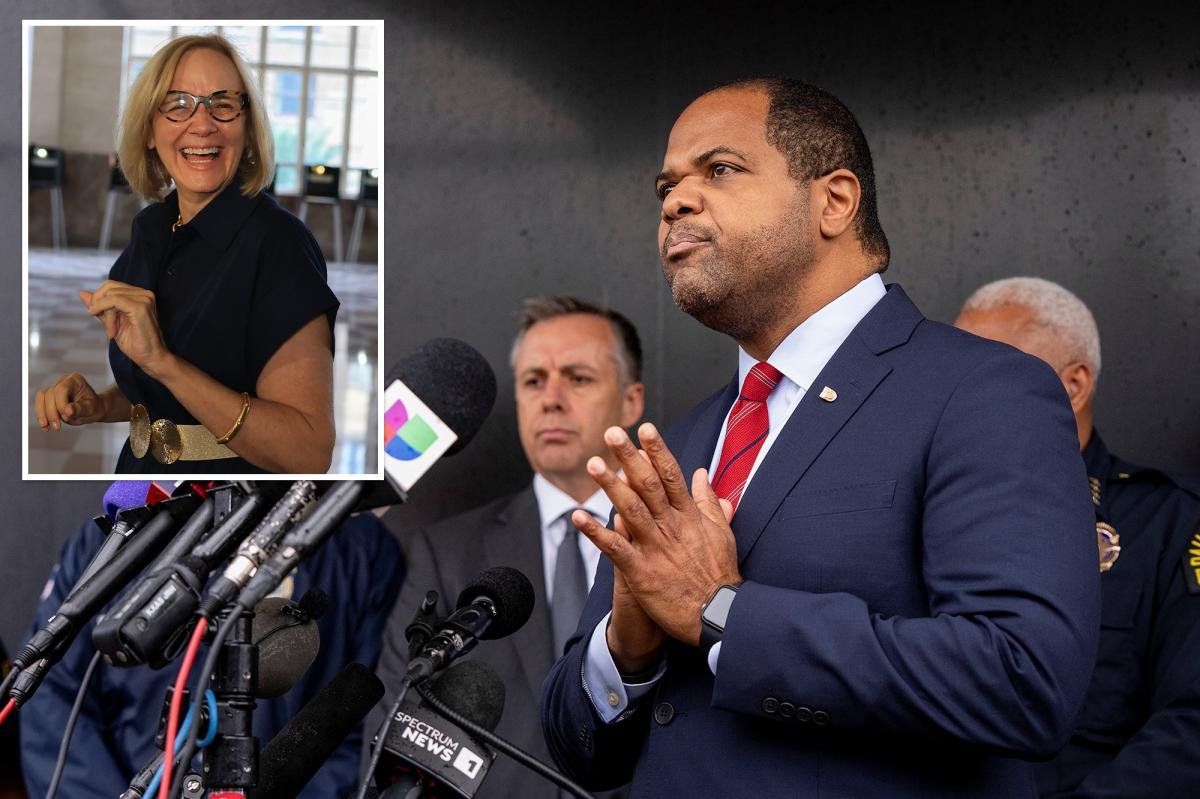
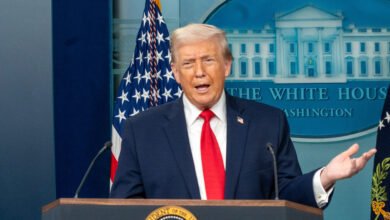
Washington — Dallas Mayor Eric Johnson, who chairs the Republican Mayors Association, said that the GOP’s loss of the Miami mayor’s seat—its first defeat in almost three decades—should act as a “wake‑up call” for all Republicans, noting that this setback isn’t just a problem for a city with a Latino majority.
When asked about the vote, Johnson explained, “The Democrats got very involved in the Miami mayor’s race very early and put a ton of money into it, particularly once the primary was determined. I think we got outspent 19 to 1.” He added that the way candidates run has changed depending on whether Donald Trump is on the ballot, and that Republicans need to figure out how to adapt, a lesson that will also matter for the 2026 midterms.
Miami’s population is over 70 % Hispanic, and the shift to the Democratic side mirrors how Trump’s presence on the ballot can influence turnout—something that did not happen in this year’s New Jersey gubernatorial race, where Latino and Hispanic voters rallied to the GOP.
Johnson asked, “Who are these people who are not coming out reliably for us when the president himself isn’t on the ballot — even when he’s endorsing in a race — if he’s on the ballot himself, we see a different result?” He emphasized the party’s responsibility to discover what motivates these voters.
Eileen Higgins won the runoff on Tuesday, defeating GOP nominee Emilio Gonzalez. Higgins became the first female and first Democrat to hold the office since 1998. While both parties withheld campaign spending data, Democratic National Committee chair Ken Martin confirmed that the party invested heavily in the race, reportedly spending up to $22,500 per month in Republican strongholds—a figure noted by Politico.


Michael DuHaime, a Republican National Committee official, told The Wall Street Journal that “there is no sugarcoating these results. They’re really bad for the party,” urging Republicans to heed the warning signs shown by this election.
Vianca Rodriguez, a former deputy Hispanic communications director for the RNC and Trump’s campaign, wrote that Gonzalez’s effort “leaned heavily on high‑level endorsements and conservative radio exposure but lacked a full‑spectrum ground‑level communications operation.” She contrasted this with the Democrats’ coordinated digital, field and surrogate campaign, which included community events, voter‑education forums and a simultaneous paid media push.
National figures such as Michigan Gov. Gretchen Whitmer also attended fundraising events in the weeks leading up to the runoff, further amplifying the Democratic effort.
Johnson noted that Miami has traditionally been a “heavy lift for Republicans” because Democrats hold a registration advantage in the city, even though the GOP possesses a larger share of registrants across the broader Miami‑Dade County.
He urged both the party and the RNC to engage more proactively in municipal races, especially early and aggressively like the DNC does, arguing that “those large cities are where the majority of the votes are going to come from in presidential years that will determine the outcome of the whole state from an electoral college perspective.”
The mayoral contest was complicated by the nonpartisan ballot, a format that can provide distance from national party politics. Johnson said, “I can tell you from experience, the Democrat Party doesn’t care if the race is called partisan or nonpartisan. If they know the party affiliation of the person’s a Democrat, they view it as mission critical that the cities in America be run by Democrats and they act accordingly.”
Following his 2023 re‑election, Johnson left the Democratic Party, switched to Republican, and now runs a group aiming to target key municipal races as part of a broader effort to boost turnout in the 2026 midterms. He explained, “Everybody likes taxes lower and everybody kind of likes their streets safer. Those are naturally good Republican issues,” and noted that “when you have nonpartisan races, you get more Democrats running on Republican type issues, which has been my main argument for why we ought to be focusing more on municipal races as Republicans.”
He added that campaigning at the local level on issues such as cutting bureaucratic red tape, improving parks, and maintaining safety allows Republicans to “get the best of both worlds” without constantly addressing divisive national topics like ICE. “You’re not having to answer any questions about ICE. You’re not having to answer any questions about any of the more, I guess, divisive issues that we read about all the time in Washington so it ends up being a little bit more challenging,” he observed.
The Republican Mayors Association will outline its target cities for the coming year in a Monday meeting in New York City, focusing on swing‑state municipalities in Pennsylvania, Wisconsin and Michigan to chip away at what Democrats call the “blue wall.” Tax filings show the organization has raised more than half a million dollars since its launch.
Johnson urged the RNC to decide how vital it is for the nation’s cities to remain within the Republican camp, noting that “this Miami race just proves we have to defend as well, and we need the RNC to join us in a more serious way.” He concluded that “they got involved late, but it was too late, obviously.”
Stay informed on all the latest news, real-time breaking news updates, and follow all the important headlines in world News on Latest NewsX. Follow us on social media Facebook, Twitter(X), Gettr and subscribe our Youtube Channel.