India’s export policy sends positive signal to trading partners in Southeast Asia: Report

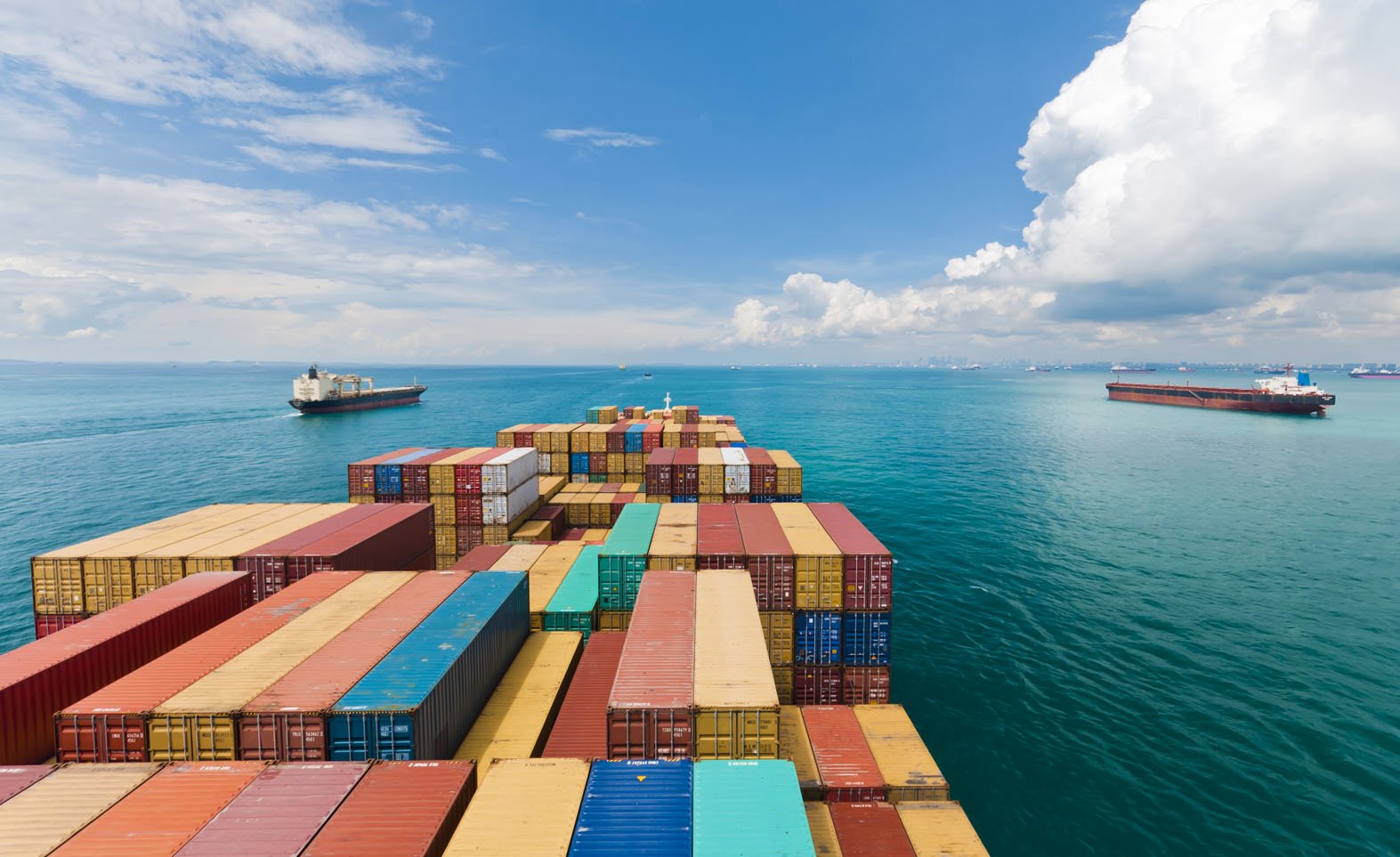
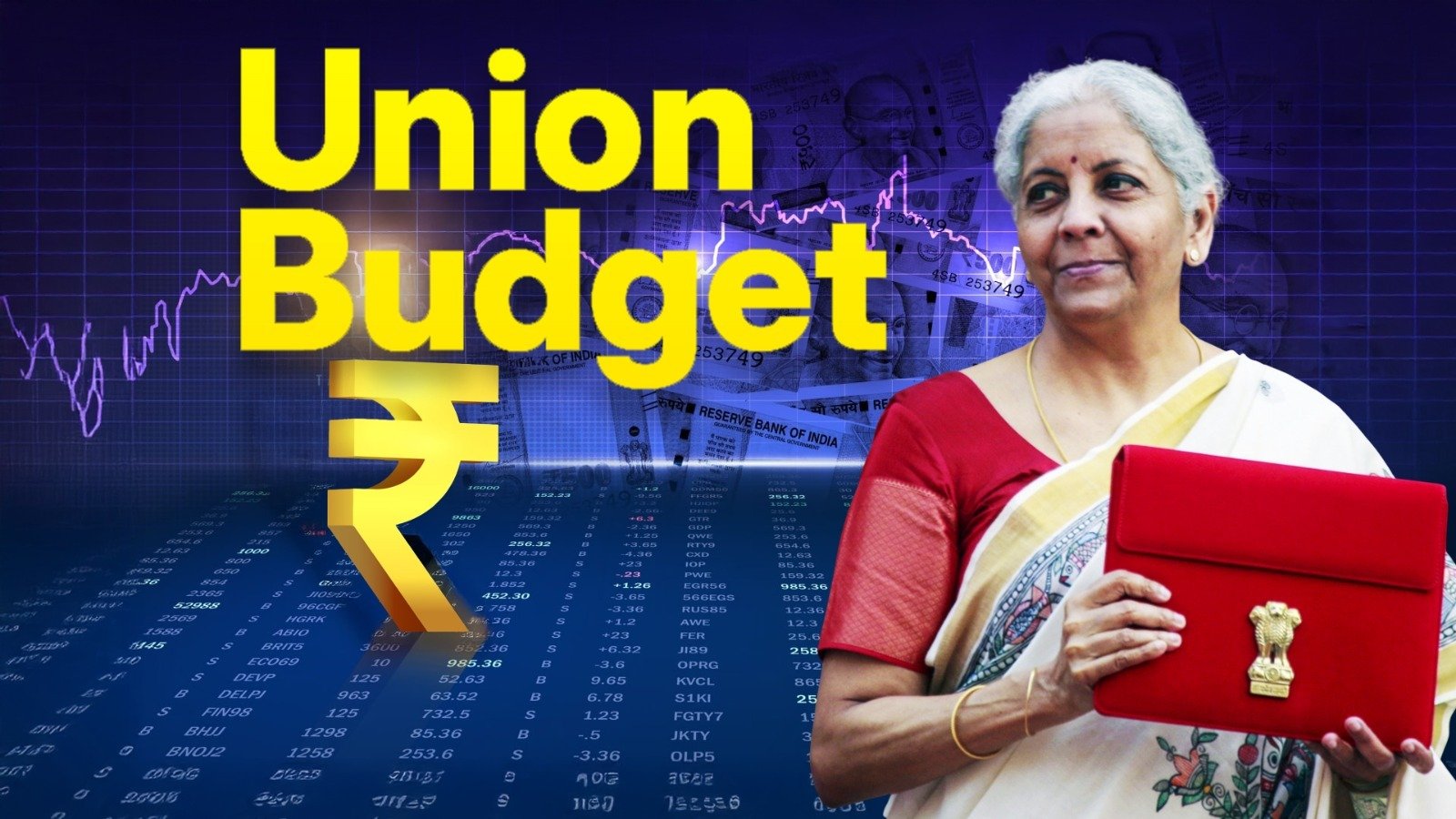
India’s approval of a Rs 45,000‑crore ($5 billion) export‑support package signals the country’s readiness to deepen ties with fast‑growing markets, especially around Southeast Asia, the Vietnam Times reported on Dec. 7. By making credit easier to obtain through the Credit Guarantee Scheme for Exporters (CGSE) and by bolstering exporters with guarantees and risk‑reduction tools, the government is giving MSMEs the confidence they need to chase new opportunities.
The article notes that this move is especially encouraging for deeper engagement with ASEAN economies, where Indian small and medium enterprises can broaden their exports. From speciality textiles to engineering parts, processed foods, and affordable fashion, demand across the region is rising sharply. With better financing and improved global compliance support, Indian exporters are now better positioned to tap these markets consistently and at scale.
The package’s two flagship components – a Rs 25,060‑crore ($2.8 billion) Export Promotion Mission (EPM) and a Rs 20,000‑crore ($2.2 billion) CGSE – together lay a robust, forward‑looking foundation for India’s export expansion. The EPM marks a structural shift in India’s export support system. Rather than a patchwork of fragmented, scheme‑based incentives, it offers a unified, digitised, and outcome‑driven architecture that can quickly adapt to shifting global opportunities.
Its two integrated pillars, Niryat Protsahan and Niryat Disha, complement each other. One focuses on affordable trade finance while the other strengthens market readiness, branding and compliance. For Indian exporters, this means smoother processes, clearer visibility and a stronger footing in sophisticated global markets.
The modernization of export support also signals India’s intent to become a central hub in Southeast Asia’s supply chains – a region where demand is growing, consumption patterns are changing, and new production hubs are emerging, the article points out.
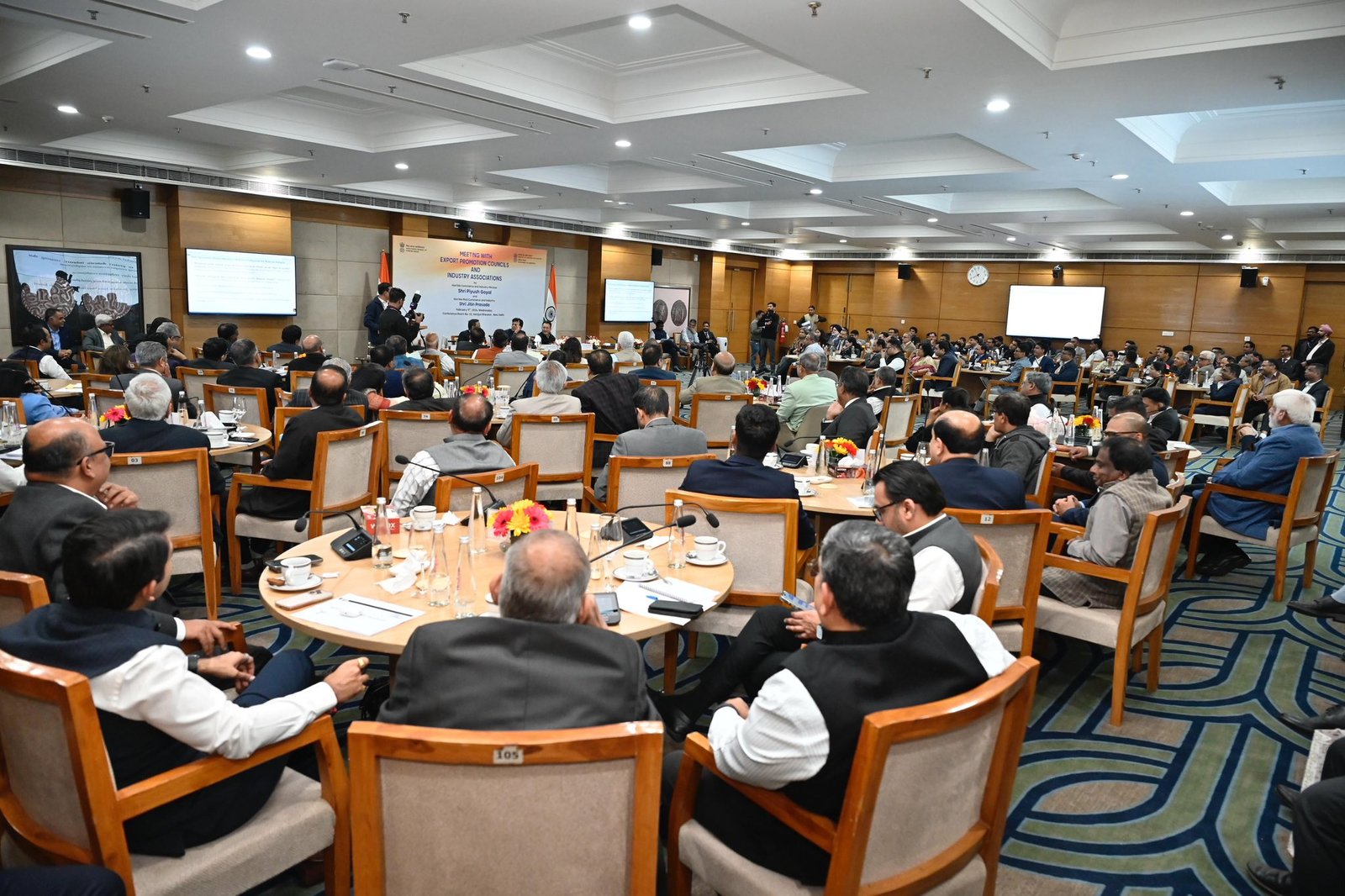


A key feature of the package is its focus on micro, small and medium exporters, which are the backbone of India’s labour‑intensive sectors such as textiles, leather, engineering goods, gems and jewellery, and marine products.
One of the most forward‑looking aspects of the framework is its digital backbone. The Directorate General of Foreign Trade (DGFT) will handle applications, approvals and disbursals through a single integrated portal that aligns with existing trade systems. This digital facilitation makes India more attractive as a trade partner for Southeast Asia’s technology‑driven economies, which prize predictability and speed in their supply‑chain engagements.
Niryat Disha’s emphasis on non‑financial enablers marks a progressive shift in India’s export philosophy. Today’s global trade is driven as much by quality, certifications and branding as by price competitiveness. The scheme’s support for packaging, international branding, trade‑fair participation, capacity building and export intelligence strengthens India’s position in markets where consumers and distributors value reliability, traceability and high standards.
This holistic approach dovetails with Southeast Asia’s emerging middle‑class economies, where premiumisation trends are taking hold. Indian products—from handicrafts to electronics components—can broaden their footprint significantly with the right branding support, the article added.
Stay informed on all the latest news, real-time breaking news updates, and follow all the important headlines in world News on Latest NewsX. Follow us on social media Facebook, Twitter(X), Gettr and subscribe our Youtube Channel.