
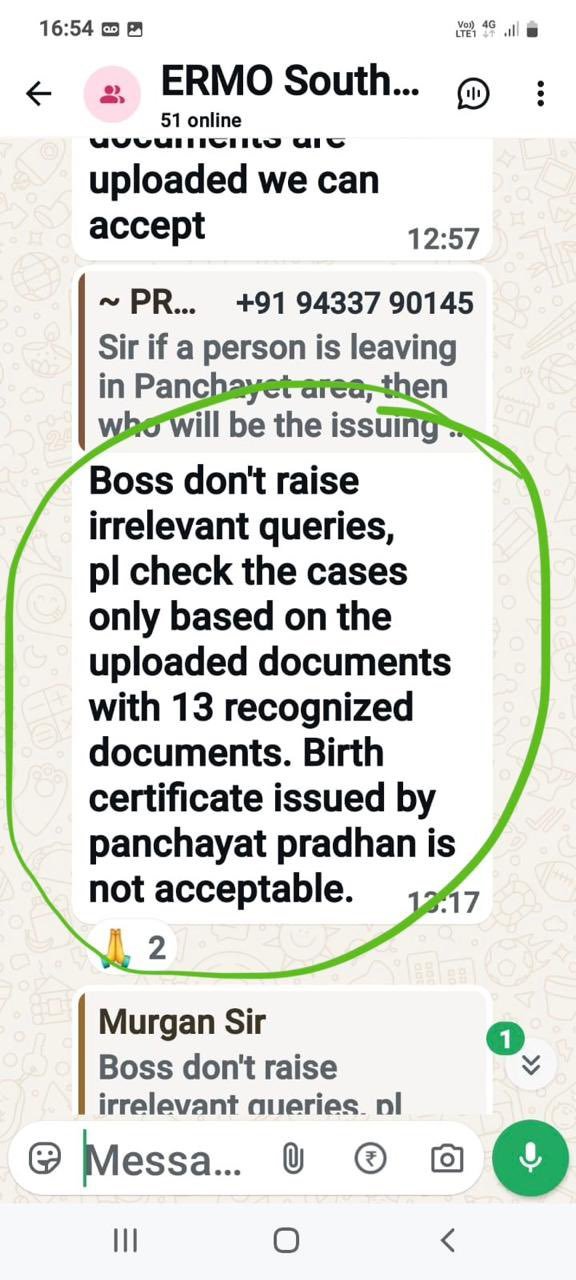
In New Delhi on Tuesday, opposition leaders ramped up their criticism of the Special Intensive Revision (SIR) exercise, labeling it a “human tragedy” after reports surfaced that several Booth-Level Officers (BLOs) had reportedly taken their own lives due to overwhelming work pressure. They called for an immediate parliamentary debate on the matter.
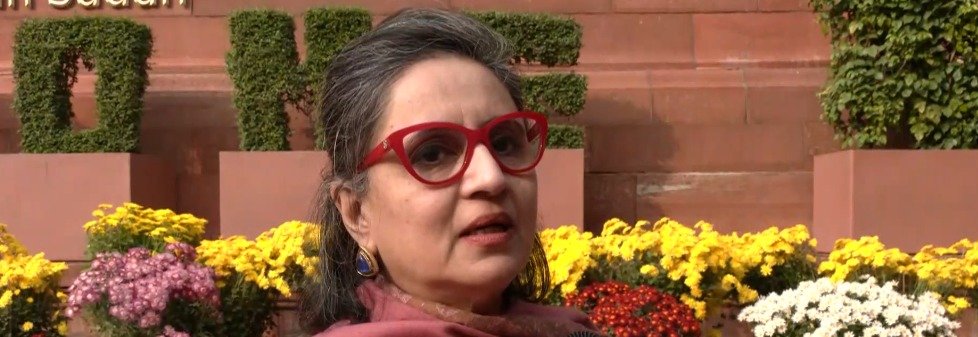
Outside the Parliament, Trinamool Congress MP Sagarika Ghose spoke to reporters, saying, “Because of the government’s policies, there is an atmosphere of mistrust. We have not been given any assurance about when or even whether the discussion we are demanding on SIR will be taken up. SIR has become a human tragedy. With SIR, people are dying. Parliament cannot sit quietly in the face of such a tragedy.” Trinamool MP Kirti Azad also voiced his concerns, accusing the government of engaging in “vote chori.” He added, “There is no doubt that there has been ‘vote chori.’ The government has stolen votes and continues to do so. If everything is transparent, why is the government afraid of holding a discussion on SIR in Parliament?”
Congress MP Jebi Mather joined the call for debate, stating, “The Congress party and opposition are protesting because our demand is legitimate. We want a discussion on electoral reforms, especially on SIR. What is stopping the government? What are they afraid of? They can simply schedule a date and time.” Shiv Sena‑UBT MP Priyanka Chaturvedi expressed alarm over how BLOs were being treated: “If you want to conduct SIR, first examine how it is being implemented. More than 30 BLOs have died, some by suicide. This reflects the pressure and unrealistic targets imposed on them. Yet, there is no room for a meaningful discussion. Those staging a drama of democracy cannot lecture us. The Election Commission, agencies, and even the Constitution are being undermined,” she told LatestNewsX.
Samajwadi Party MP Ziaur Rahman Barq questioned the supposed political consensus around the issue, saying, “Where was the consensus? It did not happen. The only agreement was before the Bihar elections, not before the Jammu and Kashmir elections. After seeing the Bihar results, we understood the impact SIR had and what it may cause in the future. We have no objection to SIR as a concept, but we strongly oppose attempts to use it as a tool to reduce opposition votes.”
The second day of Parliament’s winter session opened amid protests and demonstrations as opposition MPs continued to pressure the government over SIR and wider electoral reforms. Lawmakers from various parties stood inside the Parliament compound before the session began, holding placards and banners and demanding a swift discussion over the Election Commission’s “biased and partisan” voter verification drive, which is currently underway in twelve states and union territories.
Rahul Gandhi, the Leader of the Opposition in the Lok Sabha, together with his Rajya Sabha counterpart and Congress President Mallikarjun Kharge, led a movement that held the government accountable for alleged “voter fraud” and “electoral rolls manipulation” under the guise of the SIR exercise. Congress Parliamentary Party Chairperson Sonia Gandhi also joined the protest.
The slogans displayed by opposition MPs read, “End SIR, stop vote chori,” underscoring their relentless demand for a parliamentary debate on SIR and related reforms—a demand that effectively tipped the balance of the first day of the session.
Kharge, speaking to reporters, said the fight against injustice and attempts to “silence the democracy” would persist. The SIR, described by the Election Commission as a necessary “voter purge” ahead of elections, has sharply split the government and opposition, a division that was evident on day one of Parliament.
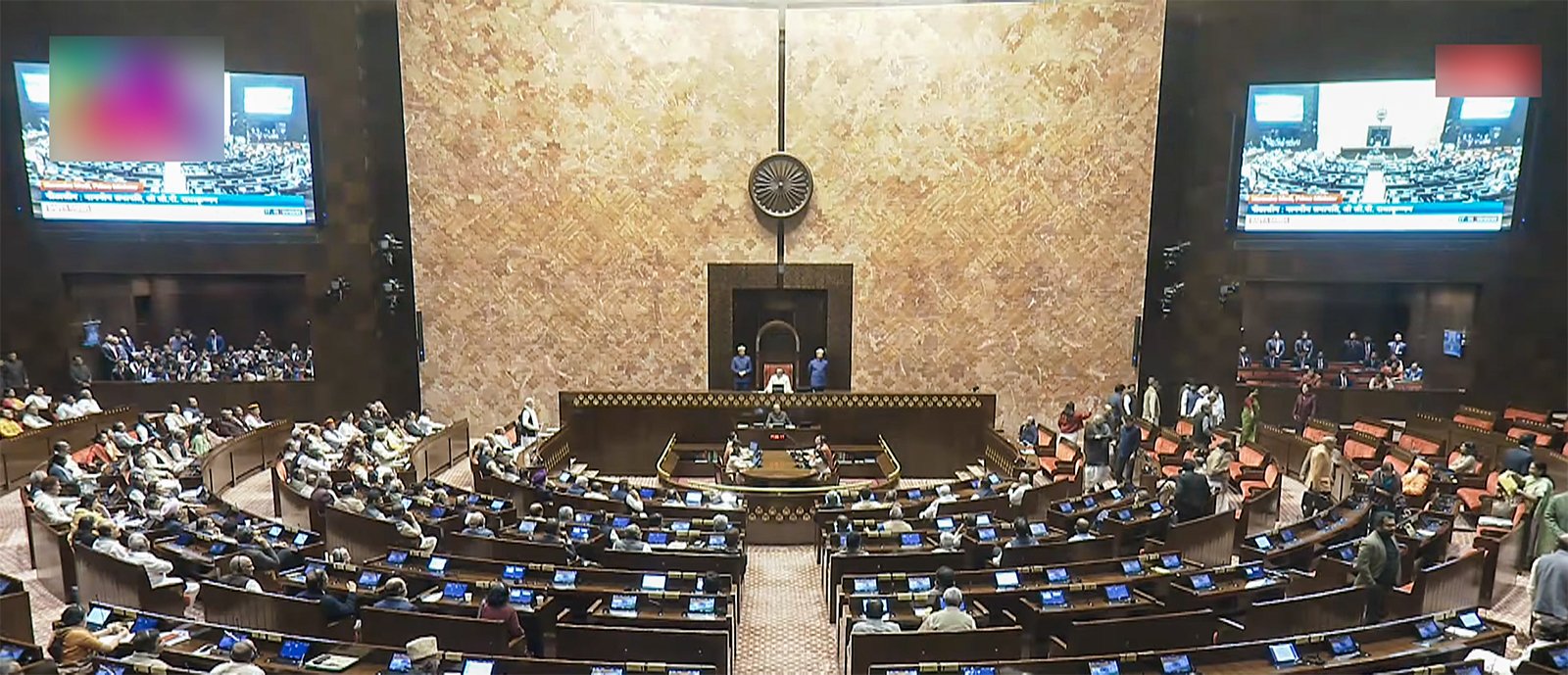
In the Rajya Sabha, the Leader of the Opposition Kharge clashed verbally with the government, pressing for an immediate discussion on the ongoing intensive revision of electoral rolls in the 12 poll‑bound states and union territories, including West Bengal, Tamil Nadu, and Kerala.
He invoked Rule 267 to table an adjournment motion, pointing to alleged irregularities that he said had resulted in at least thirty deaths, accusing the government of disenfranchising marginalised voters and eroding democracy.
In a forceful address, Kharge, flanked by leaders of the INDIA alliance, outlined the opposition’s complaints. “Today, we have given notice under Rule 267 for a special discussion on the intensive revision going on in 12 states and UTs,” he declared, naming the notices submitted by Congress and allied MPs. He lamented what he described as a breach of parliamentary tradition, noting that unlike in the Lok Sabha—where notices are routinely read—these were abruptly sidelined.
“Our members have submitted names and subjects, but suddenly, those who gave notices aren’t even acknowledged. I don’t want to embarrass you, but you’ve been seeing only one side—you’re not seeing the full picture,” Kharge said pointedly to Chairman C.P. Radhakrishnan, drawing murmurs from members of the Treasury benches.
Stay informed on all the latest news, real-time breaking news updates, and follow all the important headlines in world News on Latest NewsX. Follow us on social media Facebook, Twitter(X), Gettr and subscribe our Youtube Channel.