
A $5 Million Mystery: Who’s Behind the Anti‑Burt Jones Ads in Georgia?
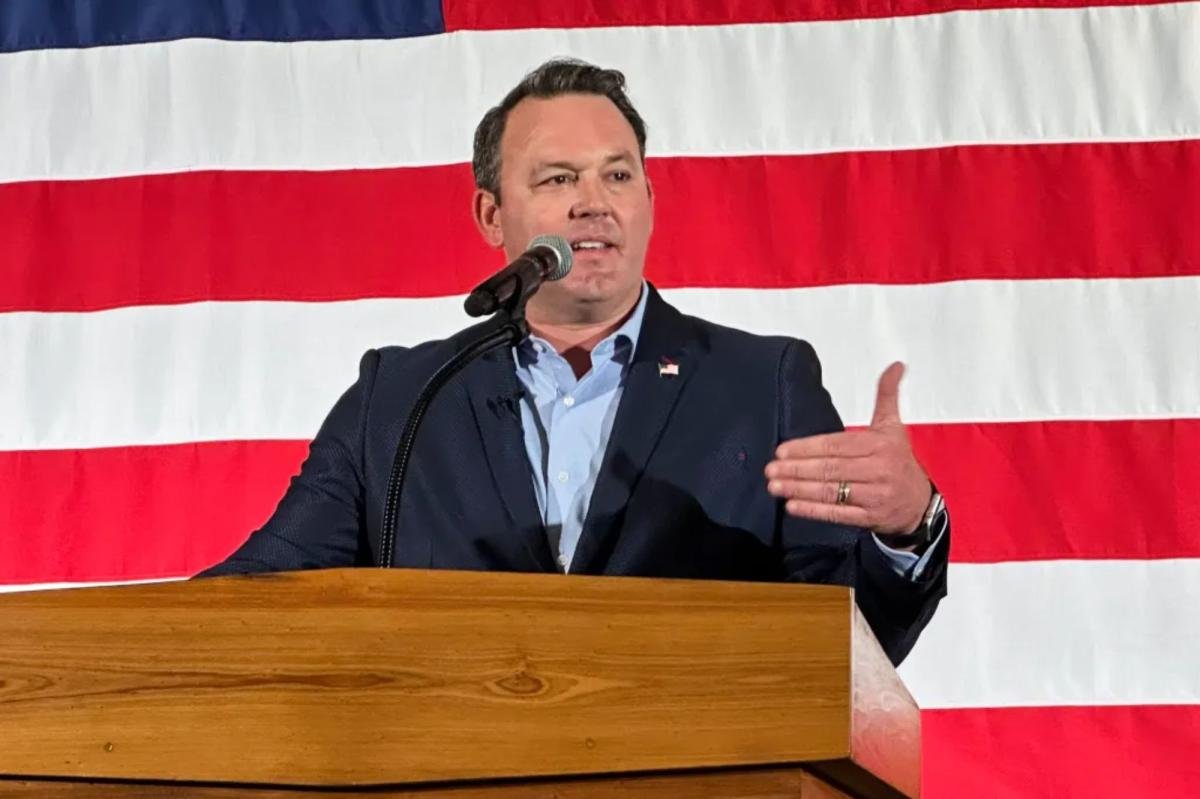
In the lead‑up to Georgia’s 2026 gubernatorial race, a wave of negative television spots, mailers, and text messages has saturated the state’s airwaves. The ads, quietly financed by an organization called Georgians for Integrity, claim that Republican Lieutenant Governor Burt Jones has used public office to enrich himself and a private data‑center venture in his home county. While Jones has openly accused the campaign of “fabricated trash,” the identity of the money‑backer remains elusive.
A Flood of Ads
Since Thanksgiving, viewers across Georgia have seen the same slogans on local stations: “Tell Burt, stop profiting off taxpayers.” The messages are targeted at a politician who has already secured President Donald Trump’s endorsement for the governor’s race. Despite never naming the office he seeks, the ads urge voters to contact Jones about alleged corruption.
The financial windfall fueling the campaign comes from Georgians for Integrity’s recent filings. According to Delaware’s corporate registry, the nonprofit was incorporated on Nov. 24 as a social‑welfare entity. Under federal tax code, this status provides a common vehicle for independent political spending while keeping donors hidden. The group has spent roughly $5 million on media, a sum that has left the Republican Party – and observers across the political spectrum – asking who is really behind the attack.
Jones Responds
During an interview with WSB‑AM on Dec. 16, Jones slammed the advertising blitz. “They want to be anonymous, spend a lot of money, and create a lot of lies about myself and my family,” he said. “It’s fabricated trash.” He threatened legal action against broadcasters airing the ads, citing a “demonstrably false” narrative that, according to his lawyer, amounts to slander.
Jones’ campaign has not stopped the ads, though. The networks are still airing the spot, and the messaging continues to be a part of the campaign’s public spectacle as the Republican primary approaches in May.


Political Context
All of Georgia’s key Republican contenders – Lieutenant Governor Jones, Attorney General Chris Carr, Secretary of State Brad Raffensperger – are eyeing the governorship as incumbent Governor Brian Kemp is term‑limited. The controversy has now seeped into the broader debate over money in politics, as the state and national parties grapple with how to regulate independent spending that can shape elections without overt transparency.
The Georgia Republican Party has filed a complaint with the State Ethics Commission, arguing that the ads violate state campaign‑finance laws by spending money on an election without registering the committee or disclosing donors. GOP Chairman Josh McKoon told the Associated Press that allowing these tactics to go unchecked would have “far‑reaching consequences … beyond the outcome of the May primary.”
“Dark money is becoming more and more the norm in races, up and down the ballot, and at early times,” said Shanna Ports, senior counsel at the Campaign Legal Center, which focuses on curbing the influence of money in the political process. She referred to the 2010 Supreme Court decision in Citizens United v. FEC as part of the legislative backdrop that has enabled the kind of independent spending seen here.
A Puzzling Organizational Record
Attempts to trace the source of funding have hit a dead end. Georgian for Integrity’s official filings list a mailbox in an Atlanta office‑supplies store as its local address. The same documents name media buyer Alex Roberts, whose address is in Park City, Utah, and attorney Kimberly Land of Columbus, Ohio, but neither has responded to requests for comment.
The organization’s structure – an independent committee under Georgia law – allows it to raise and spend without limit, provided it registers before accepting contributions and discloses donors. However, because the ads never explicitly reference Jones’ gubernatorial campaign or the 2026 election, the GOP argues that the group is merely “playing semantic games.”
“Regular voters would definitely think the ads are designed to influence them,” McKoon said. “If you are funding a message that is designed to impact an election … then you ought to have to comply with the campaign‑finance laws that the legislature has seen fit to pass.”
The Allegations at Stake
At the heart of the accusations is a 2017 law that opened a narrow exception in Georgia’s restriction on condemning property for private developers. Jones, serving as a state senator at the time, voted for that law. Critics argue that the exception is being used to favor a $10 billion data‑center project in Jones’s home county, which could span 11 million square feet. Proponents claim there is no evidence that eminent‑domain powers are being used for that specific venture.
Until the source of the $5 million spend is uncovered and the legal status of the ads clarified, the question remains: Who is funding the assault on Lieutenant Governor Burt Jones? The answer – or lack thereof – may have wide‑ranging implications for how independent funding shapes elections in Georgia and beyond.
Stay informed on all the latest news, real-time breaking news updates, and follow all the important headlines in world News on Latest NewsX. Follow us on social media Facebook, Twitter(X), Gettr and subscribe our Youtube Channel.