

(source : ANI) ( Photo Credit : ani)
On October 2, diplomats and activists gathered at the United Nations in Geneva to mark Mahatma Gandhi’s birth anniversary with a special event. They focused on how education rooted in non-violence can help stop human rights abuses and build a more peaceful world.
The gathering, called “Celebration of International Day of Non-Violence: Preventing Human Rights Abuses and Violations Through Education on the Principles of Non-Violence,” drew support from groups like RADDHO, Interfaith International, Brahma Kumaris, and other NGOs. Attendees included ambassadors, civil society leaders, and global observers. Organizers screened a short film showcasing Gandhi’s life and his timeless push for peace, tolerance, and dialogue.
This date holds special meaning. Back in 2007, the UN General Assembly declared October 2 the International Day of Non-Violence through resolution A/RES/61/271. It’s all about spreading Gandhi’s message to inspire real change today.
Cabo Verde’s Ambassador Clara Manuela da Luz Delgado Jesus called the day a key chance to tackle conflicts through peaceful tools like education and open talks. She urged everyone to embrace these methods in daily life.
Comoros Ambassador Sultan Chouzour took it further, linking non-violent education to bigger fights for social justice, the rule of law, and ending discrimination. He warned about the risks of fake news on social media, pushing for ethical journalism to keep information honest and reliable.



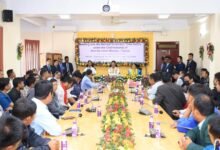
Democratic Republic of Congo Ambassador Paul Empole Losoko Efambe drove home the basics of non-violence: respect, understanding, and acceptance. “We should invest in education and not promote violence and war,” he said. He called for a return to the UN Charter’s principles, where nations unite against violence and choose dialogue instead. With conflicts raging worldwide, Efambe stressed that “violence brings another violence.” He pushed for investing in peace and education over war, noting it’s far cheaper in the long run.
Efambe highlighted educating youth as crucial: “Our future, I’m talking about the Youth. The Youth is our future. We have to educate them to the Non-Violence principle.” He connected the dots between violence and human rights violations, saying they often go hand in hand. To fight one, he argued, we must battle impunity and uphold international justice.
David Puyana, from the United Nations University for Peace, reminded the crowd of the UN’s core pillars: peace and security, human rights, and sustainable development. Michel Reymond, vice president of the Universal Peace Federation, echoed Gandhi’s wisdom: “Peace is not merely a goal, but a path—and we are working with this goal in many countries.”
Biro Diawara, representing RADDHO and Interfaith International, celebrated how the 2007 UN resolution sparked global events like this one. Tied to Gandhi’s birthday, the day promotes primary education based on non-violence and his philosophy. Diawara called Gandhi a “universal symbol,” born in India but inspiring people everywhere as a shared treasure of world values.
The event underscored Gandhi’s enduring vision. His ideas on non-violence aren’t just moral guides—they’re practical steps toward lasting peace amid today’s global challenges.
Stay informed on all the latest news, real-time breaking news updates, and follow all the important headlines in world News on Latest NewsX. Follow us on social media Facebook, Twitter(X), Gettr and subscribe our Youtube Channel.