

In New Delhi on 10 Dec, a quiet shift can be felt across India’s handicraft scene. Women with traditional skills are finding new ways to turn their crafts into income, export projects and community enterprises thanks to the government’s Shilp Didi drive.
People on the ground say the programme isn’t just about higher earnings—it’s reshaping how women see themselves and their role in the economy. One example is Nivedita Prajapati, a jewellery designer who said the tipping point came when she joined Shilp Didi two years ago. “I make my own designs, and it’s been a long time since I had export work until the exhibitions put my pieces in front of buyers,” she noted. Shilp Didi opened a broader customer network, and she added, “Because of Shilp Didi, my income has increased a lot. We are very happy that the Modi government is encouraging women to become entrepreneurs. Women should stand on their own feet — and in a true sense, Shilp Didi is women’s empowerment.”
Similar stories appear elsewhere. Priya, a hand‑embroidery artist chosen by DC Handicrafts in 2024, recalled how a single opportunity blossomed into a thriving business. “Through Shilp Didi, I showed many of my pieces and received several orders, even from small shops,” she explained. However, meeting those orders required extra workers. “We had very few women on board, so we canvassed households to train more people. With no budget, we asked DC Handicrafts for help, and they supplied the training.” The new cohort of artisans introduced fresh designs and met demand. “Later, when we needed help setting up more exhibitions, DC Handicrafts stepped in again. The platform has allowed us to grow and train even more talent.”
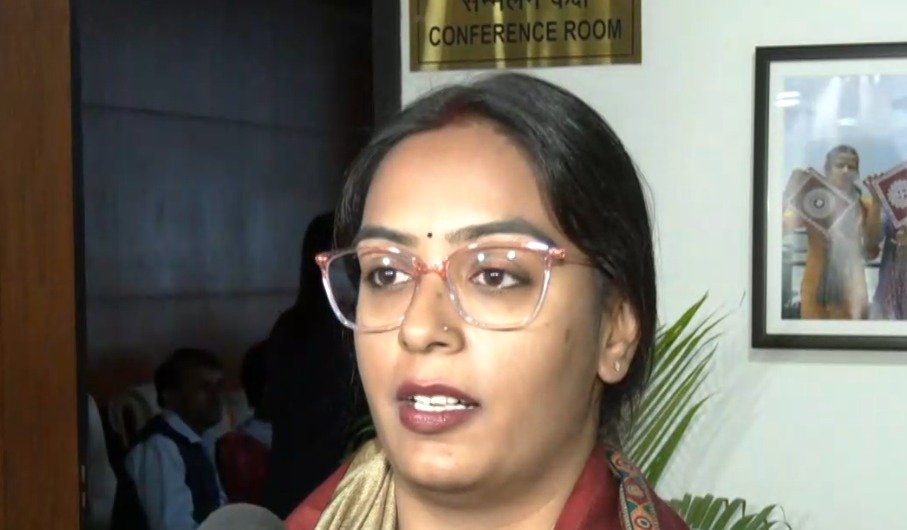
On the policy side, top officials affirm a commitment to extending chances for women creators. Neelam Shami Rao, IAS and secretary of the Ministry of Textiles, underscored the government’s intent to boost women’s social and financial autonomy. “The government is fully committed to strengthening women’s power and independence. The Prime Minister has consistently highlighted the need to promote women’s collective growth,” she said. Rao added that new initiatives center artisans. “We often talk about ‘Lakhpati Didis’, but we aim to ensure that artisans’ incomes grow even more. We want them not only to earn for themselves but also to generate employment for others. In handicrafts, women can move forward, lead development, and bring many others along.”
Through initiatives such as Shilp Didi, a range of women—from embroiderers to jewellery designers—are stepping out as creators, entrepreneurs, employers and community leaders. For many, what began as a home‑grown skill has evolved into a resilient business model.




Stay informed on all the latest news, real-time breaking news updates, and follow all the important headlines in world News on Latest NewsX. Follow us on social media Facebook, Twitter(X), Gettr and subscribe our Youtube Channel.