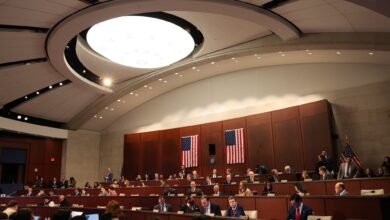


In New York today, a federal advisory panel voted to drop the long‑held rule that every newborn in the United States receives a hepatitis B shot on the day of birth. The decision sparked an immediate wave of criticism from doctors and public‑health officials who saw the move as a step back for a vaccine that has saved thousands of lives.
The panel, whose members were all appointed by Health Secretary Robert F. Kennedy Jr.—a prominent vaccine skeptic until recently—saw the recommendation shifted to give the birth dose only when a mother tests positive for the virus or when the mother’s status is unknown. For all other infants, the panel suggested that parents and pediatricians decide whether to wait, with the first dose then given at two months old.
Many professional societies say they’ll continue to advise a birth dose, and the trade group AHIP has confirmed that insurers will keep covering it if requested. The committee’s 8‑to‑3 vote overturning the old rule came ahead of President Donald Trump’s “very good decision” tweet. The CDC’s acting director, Jim O’Neill, now faces the choice of whether to adopt the new guidance.
The change marks a return to a strategy that was abandoned over thirty years ago. Committee chair Dr. Kirk Milhoan said the reform was prompted by “pressure from stakeholder groups,” while other members argued that the risk of hepatitis B infection in most infants is low and that earlier studies may not have captured rare long‑term effects. They also raised concerns that many healthcare providers do not always explain the pros and cons of a birth‑dose vaccine to parents in detail.
In June, Kennedy had dismissed the entire 17‑member panel and replaced it with a new group that included several anti‑vaccine voices. This shift has frustrated many scientists, who claim the committee no longer behaves like a legitimate, evidence‑based body.




Hepatitis B is a serious liver infection. For most people it resolves in a few months, but in infants it can become chronic, leading to liver failure, cancer, or cirrhosis. Historically, vaccination began at birth in 1991 because prompt immunization blocks the virus before it can take root. Since then, childhood cases have dropped dramatically.
The current panel argued that while the existing safety record of the birth dose is strong, larger, long‑term studies could reveal unforeseen problems. Still, two members insisted that there was no documented harm and that the fear was unfounded speculation. Three members challenged the evidence that delaying the first dose by two months is acceptable. Dr. Joseph Hibbeln called the proposal “unconscionable,” asserting that there was no data supporting two months as a safe threshold.
Another contentious proposal, which passed 6‑to‑4, suggested that parents consider blood work to check for protective antibodies after the first dose. This isn’t a routine pediatric practice, and CDC expert Adam Langer warned that such testing would yield inconsistent results and that three shots do not pose harm.
The debate highlights a broader shift: the panel’s focus has moved from protecting the public to weighing individual risks, according to critics like Dr. Robert Malone. Some officials noted that CDC scientists no longer present data on vaccine safety and effectiveness, instead giving speaking slots to anti‑vaccine advocates.
Defending public‑health researcher Elizabeth Jacobs called the meeting “an epidemiological crime scene,” and Senator Bill Cassidy—chair of the Senate health committee and liver specialist—described the vote as a mistake that could “make America sicker.” The panel heard a lengthy presentation from lawyer Aaron Siri, who has worked on vaccine litigation for Kennedy, and he ultimately argued against any ACIP vaccine recommendations. In rebuttal, Dr. Cody Meissner condemned the presentation as “a terrible, terrible distortion of all the facts” and urged that Siri should not have been invited.
The panel’s invitation list also included a few prominent immunology researchers, but both Dr. Peter Hotez and Dr. Paul Offit declined, citing the panel’s shift away from science‑based policy. Hotez, a Texas Children’s Hospital professor, stated that the ACIP’s changing focus made it impossible for him to contribute.
Stay informed on all the latest news, real-time breaking news updates, and follow all the important headlines in world News on Latest NewsX. Follow us on social media Facebook, Twitter(X), Gettr and subscribe our Youtube Channel.