
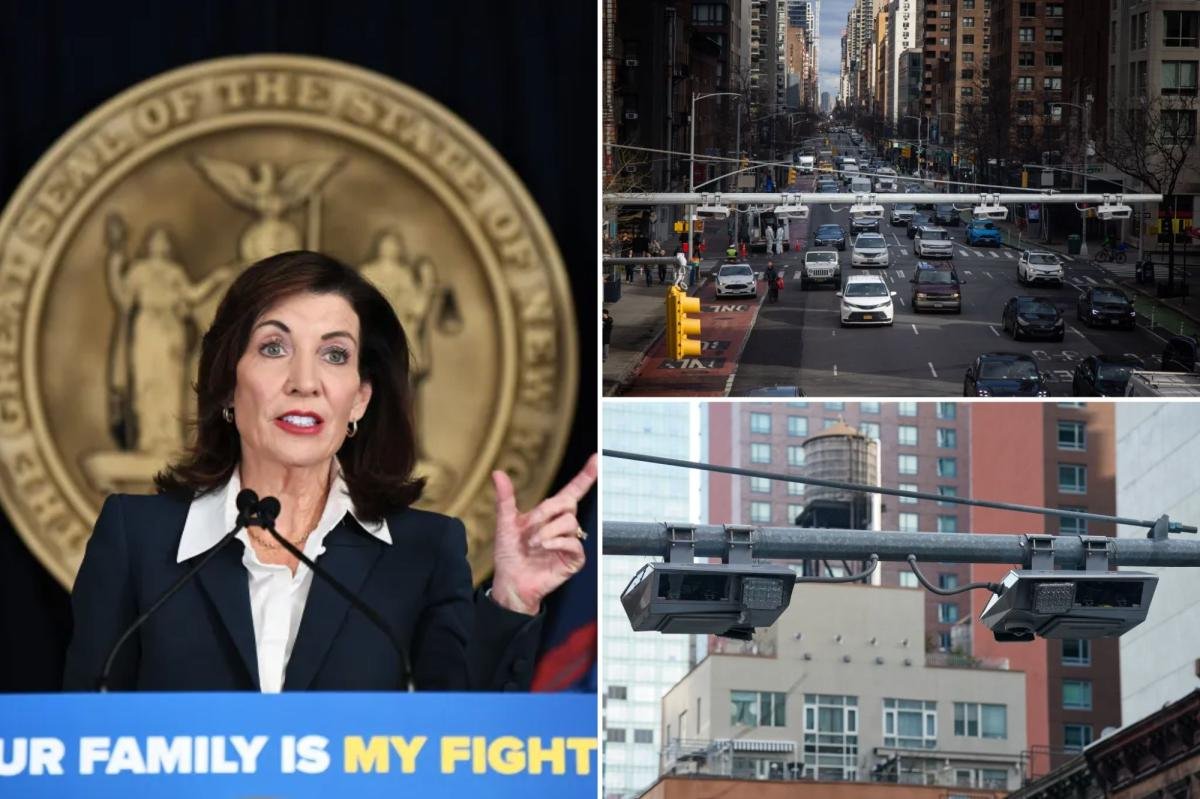
Gov. Kathy Hochul offered a piece of guidance that many business owners found out of touch: when deliveries hit the congestion‑pricing zone in downtown Manhattan, they should try to ship during “off peak” hours to save on tolls. She made the remark while speaking to reporters at a press event that was unrelated to the congestion discussion, and the comments were quickly rebuffed by industry representatives.
Hochul explained that trucks can be charged anywhere from $14.40 to $21.60 during the busiest times of day, but fares slide down to $3.60 or $5.40 between 9 p.m. and 5 a.m. She emphasized that, “there’s tremendous benefits to congestion pricing,” and urged firms to use the lower rates if they could adjust their delivery schedules.

Business leaders did not buy the suggestion. “It reveals the Governor’s lack of understanding of how businesses run,” said Jeff Rose, president of the Limo Association of New York. “Will anyone be at the door to receive a shipment at 2 a.m.? Retailers would have to pay extra staff to wait, and restaurants can’t handle orders during dinner hours.” Zach Miller, vice president of government affairs for the Trucking Association of New York, noted that very few companies have overnight personnel ready to take in freight, meaning the extra labor costs would offset the savings from lower tolls. “These are real‑world constraints, not scheduling preferences,” he added.
The governor’s comments came a day after a Post report highlighted how the congestion zone was adding to the cost burden for trucking firms, many of whom are now passing fees onto their customers. In some cases, delivery companies charge shippers a surcharge even for trips that fall outside the charged zone because tracking which deliveries triggered a toll can be costly and cumbersome. Drivers, too, are still complaining that traffic conditions have not improved, despite the system’s goal to reduce volume.
The MTA claims a double‑digit decline in traffic, but analysts have raised questions about how the agency measures and reports the data. One of the main charges—$9 for cars—has already generated over $500 million for the agency this year, exceeding initial projections. Governor Hochul, who paused the toll early in her tenure and admitted it was a financial burden, reversed course after the 2024 election and has been defending the program repeatedly. She argues that it has helped “take back our city” and has significantly eased congestion, noting a 10‑to‑11% leap in subway ridership as evidence of success.

Republican lawmakers, however, maintain that the scheme has had little effect. Queens Council Member Joann Ariola warned, “We told you so!” She added, “I see it myself driving to work from Queens. Traffic is just as bad, if not worse, than it ever was, now we have to pay a new toll on top of it. Thanks for nothing, Kathy!”
Stay informed on all the latest news, real-time breaking news updates, and follow all the important headlines in world News on Latest NewsX. Follow us on social media Facebook, Twitter(X), Gettr and subscribe our Youtube Channel.